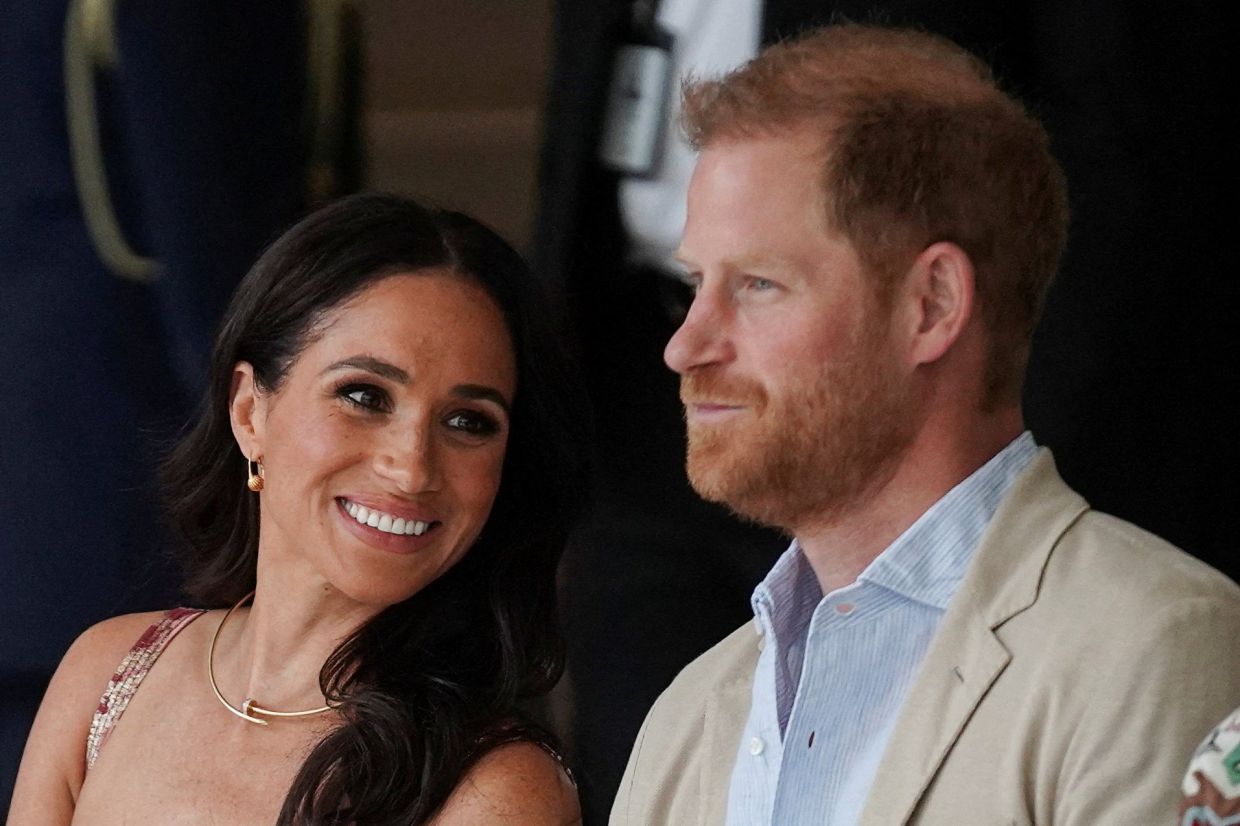
Prince Harry and Meghan are planning to relocate to the United Kingdom, ending their extended California residence, though they have made clear they will not be returning as working members of the royal family. According to British media reports released late Wednesday, the couple's decision marks a significant shift in their transatlantic lifestyle after more than six years based in Montecito, Southern California. Prince Archie, aged seven, and Princess Lilibet, aged five, have already secured places at British schools and are expected to begin their studies in September, suggesting the family's move is imminent and substantive rather than temporary.
The announcement comes at a pivotal moment in the family's complicated relationship with the wider royal household, particularly King Charles III. The monarch was informed of the relocation plans on Sunday, notably before Harry and Meghan's recent visit to Britain last month. This timing suggests deliberate decision-making that predates their face-to-face meeting with the king. For Malaysian and Southeast Asian observers, the move reflects broader tensions within global institutions and the evolving nature of modern family reconciliation across significant geographical and professional divides.
Harry and Meghan's departure from active royal life in 2018 represented one of the most dramatic ruptures in contemporary British royal history. The couple pursued commercial ventures instead, securing lucrative contracts with streaming giant Netflix and audio platform Spotify that have allowed them financial independence from the royal purse. This entrepreneurial pivot fundamentally redefined their public identities and created distance between them and the institution they once formally represented. Their relocation to California was thus both a geographic separation and a symbolic declaration of independence from traditional royal constraints.
The relationship between Harry and his father appears to be thawing, driven partly by the king's recent health challenges. Charles is currently undergoing treatment for an undisclosed form of cancer, and Harry has publicly acknowledged the finitude of their time together. During an interview with the BBC, Harry expressed his desire for reconciliation with candid vulnerability: "I would love reconciliation with my family. There's no point in continuing to fight anymore. I don't know how much longer my father has." This statement reflects a fundamental shift from the confrontational stance that characterised earlier years of separation.
A tentative breakthrough materialised during Harry's recent British sojourn, when he returned for a series of charitable engagements. Meghan and the children accompanied him for portions of the visit, and the family spent quality time with King Charles at his Highgrove residence in western England. This marked the first occasion since the late Queen Elizabeth II's platinum jubilee in 2022 that Archie and Lilibet had seen their grandfather in person. Such family moments, though largely away from public scrutiny, signal genuine movement toward rebuilding fractured bonds.
However, the relocation news is unlikely to extend to Harry's relationship with his elder brother, Prince William, heir to the throne. Royal correspondent Peter Hunt, formerly of the BBC, characterised William's likely reaction as one of acute frustration, suggesting the announcement would make him "apoplectic." The discord between the brothers appears more entrenched than Harry's tensions with his father, rooted in complex personal grievances and competing interests regarding their respective public roles and family legacies. William's silence on the matter thus far speaks volumes about the persistent chasm between them.
Harry's legal battles with the British media establishment have cast a long shadow over his relationship with his homeland and the royal institution. The prince has pursued multiple lawsuits against tabloid newspapers, alleging systematic phone hacking and privacy invasion during his youth. Despite his efforts, Harry has faced a series of courtroom defeats, most significantly resulting in a substantial financial liability. Associated Newspapers has filed claims for £34.5 million in legal costs following a recent trial, leaving Harry exposed to millions of pounds in bills. These legal reverses have nonetheless not dampened his determination to establish a foothold back in Britain.
Separately, Harry has been engaged in prolonged wrangling with the British government over security arrangements. His legal challenge to secure armed police protection for his family when in the UK was rejected by the courts last year. The prince maintains that his family requires such protection given their royal status and the attendant security risks, regardless of their working status. This unresolved security question remains a practical obstacle to a smooth relocation and comfortable residence in Britain, adding another layer of complexity to the family's transition.
The children's education represents the practical anchor for this relocation. Enrolling Archie and Lilibet in British schools signals a long-term commitment rather than a fleeting return. Education decisions of this magnitude typically reflect months of planning and consultation, suggesting the relocation has been in contemplation for some time. For the children themselves, the move represents a reconnection with their paternal heritage and the possibility of a more integrated family experience, despite the dysfunction that has characterised adult relationships.
Buckingham Palace has maintained its traditional stance of declining to comment on matters affecting non-working members of the royal family, a policy that underscores the formal distance between Harry and Meghan and their historical positions. Similarly, representatives for the couple have offered no official statement, preferring to allow the news to circulate through media channels rather than through formal announcement. This studied silence from both sides suggests careful management of expectations and continued wariness about public positioning.
For regional audiences in Malaysia and Southeast Asia, this narrative carries resonance beyond tabloid entertainment. It illustrates the universality of family conflict across class and cultural boundaries, the struggle to balance personal ambition with familial obligation, and the possibility of reconciliation even after profound rupture. The story also highlights how global media scrutiny and legal systems intersect with private family dynamics, creating additional complications for resolution. Furthermore, the couple's entrepreneurial pivot toward content creation and commercial partnerships reflects contemporary wealth generation patterns increasingly relevant to Southeast Asian business and professional communities.
The coming months will reveal whether this relocation materialises as planned and whether it genuinely facilitates the deeper reconciliation Harry has publicly advocated for. The presence of Archie and Lilibet in British schools may create natural opportunities for more frequent contact with their grandfather and other family members, potentially softening some of the hardened positions that have characterised recent years. Yet the unresolved tensions with Prince William and the ongoing security and legal complications suggest that this homecoming, while symbolically significant, will remain complicated and conditional rather than representing a full restoration of previous family or professional roles.

