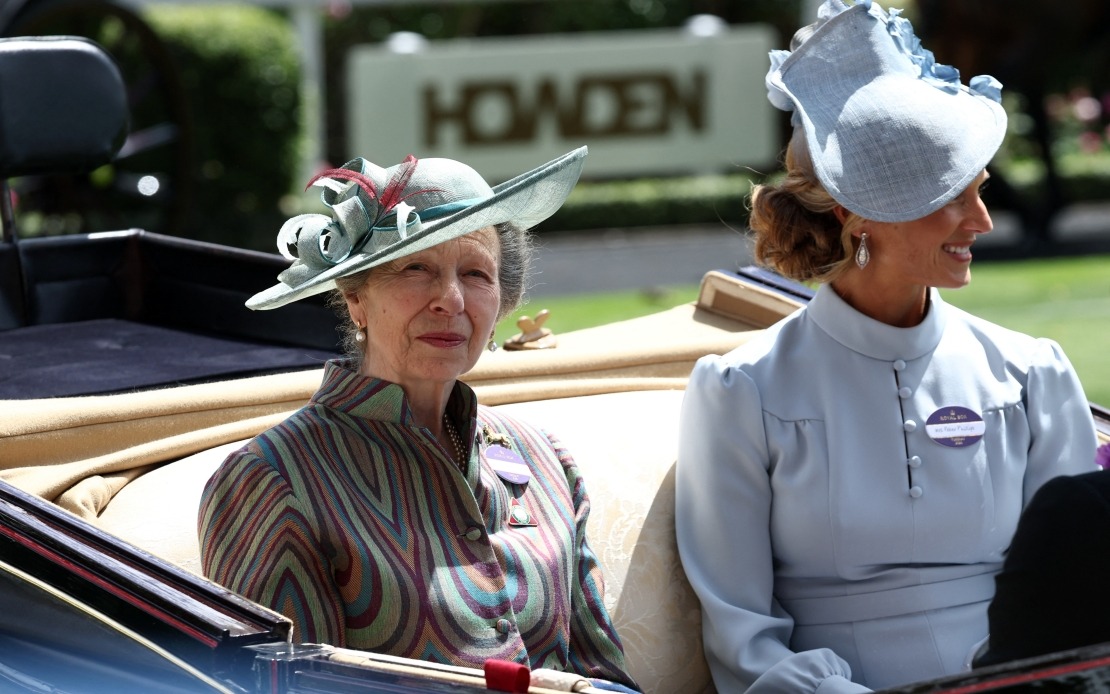
Princess Anne, the King's sister, has embarked on a significant diplomatic visit to South Korea that underscores the enduring bond between Britain and the East Asian nation forged through shared military sacrifice. The three-day trip, which began this week, centres on commemorating the 1950-53 Korean War and honouring the British and Commonwealth personnel who lost their lives in the conflict. The Princess Royal, accompanied by her husband Vice Admiral Sir Tim Laurence, will participate in ceremonies and high-level meetings intended to deepen bilateral cooperation across multiple sectors, signalling the continued importance both nations place on their historical relationship.
The timing of Anne's visit carries particular significance as 2024 marks the 75th anniversary of two pivotal engagements—the Battles of Imjin River and Gapyeong—where British forces played crucial roles in defending South Korea against invasion. These campaigns are remembered as costly but strategically important moments in the broader United Nations-led intervention during the Korean War. For South Korea, the visit represents international acknowledgement of the nation's wartime struggles and the sacrifices made by allied forces. For Britain, it reinforces its commitment to honoring veterans and maintaining partnerships in the Indo-Pacific region, an increasingly important strategic focus for London.
During her time in South Korea, Princess Anne will travel to Busan, a major southeastern port city, where she is scheduled to attend a commemorative ceremony at the United Nations Memorial Cemetery. This solemn occasion will provide an opportunity to pay respects to fallen British and Commonwealth soldiers whose names are recorded there. The cemetery serves as a poignant reminder of the human cost of the Korean War, which claimed millions of lives across the peninsula. By participating in these ceremonies, the Princess Royal demonstrates the British monarchy's continued recognition of those who served and fell in defence of South Korea's sovereignty and democratic aspirations.
Beyond military remembrance, Anne's itinerary reflects modern economic and strategic priorities. Her scheduled visit to Ulsan will focus on areas of bilateral cooperation in maritime industries, shipbuilding, and defence. South Korea has emerged as a global leader in naval construction and advanced military technology, sectors where British companies and defence contractors increasingly seek partnerships. For Malaysia and other Southeast Asian nations, such visits highlight how traditional military alliances and historical bonds continue to shape contemporary trade and defence relationships, particularly as regional powers recalibrate their strategic positioning.
The diplomatic dimension of Anne's visit extends to a formal audience with President Lee Jae Myung, where discussions are expected to centre on deepening bilateral relations and identifying new areas of cooperation. Such high-level engagements between senior royals and national leaders carry symbolic weight, signalling government-to-government commitment that transcends routine diplomatic channels. The meeting will likely touch on broader regional security concerns, given South Korea's unique geopolitical position and the ongoing tensions on the Korean Peninsula.
Princess Anne brings considerable experience to such missions, having previously visited South Korea during the 2018 PyeongChang Winter Olympics. Her return to the country demonstrates the monarchy's sustained engagement with Asian partnerships and reflects Britain's broader strategic interests in maintaining robust relationships throughout the region. For Malaysian observers, such visits illustrate how historical narratives and wartime alliances continue to shape diplomatic and economic networks that influence regional stability and trade patterns.
The Korean War remains a defining event in modern history, yet its legacy is often overshadowed in Western media. Britain's involvement resulted in approximately 1,100 military deaths and thousands of wounded, with British and Commonwealth forces serving under United Nations command throughout the conflict. By commemorating these sacrifices through high-profile visits, both Britain and South Korea ensure that younger generations understand the shared history binding their nations. This educational and commemorative function is particularly important as regional geopolitics evolve and new challenges emerge.
For South Korea, hosting such visits reinforces its narrative as a democracy that has successfully developed into a thriving economic power while never forgetting the international support that enabled its survival during the war. The nation's transformation from a war-torn state into one of the world's leading technological and industrial economies represents one of the most remarkable development stories of the twentieth century. British recognition of this achievement, combined with honour for those who contributed to it, strengthens cultural and political bonds between the societies.
The visit also occurs within a broader context of Western nations reasserting their presence and commitment in Indo-Pacific affairs. Britain, following its departure from the European Union, has repositioned itself as a partner willing to engage deeply with Asian economies and security frameworks. Such royal and diplomatic missions serve as visible manifestations of this strategic pivot, demonstrating that British interest in regional partnerships is substantive and long-term rather than episodic or transactional.
From a Malaysian perspective, Princess Anne's visit to South Korea carries implications for how Commonwealth nations and traditional Western powers engage with Asia more broadly. It demonstrates that historical relationships, military cooperation, and shared democratic values continue to provide foundations for contemporary partnerships. As Southeast Asian nations navigate complex geopolitical circumstances, the persistence of these traditional alliances—even as they evolve to address modern challenges—offers both reassurance regarding international stability and reminders of the multiple relationship networks within which regional states operate.
The Princess Royal's trip ultimately serves multiple purposes simultaneously: honouring those who died in a distant war, acknowledging the remarkable progress South Korea has made since 1953, and reaffirming that Britain remains committed to partnerships in the Asia-Pacific region. These layers of meaning reflect the sophistication of modern diplomatic engagement, where ceremonial acts, economic discussions, and strategic conversations proceed in parallel, each reinforcing the others.

