%22%2F%3E%3C%2Fpattern%3E%3C%2Fdefs%3E%3Crect%20width%3D%22100%25%22%20height%3D%22100%25%22%20fill%3D%22url(%23phzshcg)%22%2F%3E%3Crect%20width%3D%22100%25%22%20height%3D%22100%25%22%20fill%3D%22url(%23phzshcp)%22%2F%3E%3Ctext%20x%3D%2250%25%22%20y%3D%2250%25%22%20text-anchor%3D%22middle%22%20dominant-baseline%3D%22central%22%20fill%3D%22rgba(255%2C255%2C255%2C0.95)%22%20font-family%3D%22Georgia%2C%20'Times%20New%20Roman'%2C%20serif%22%20font-weight%3D%22700%22%20font-size%3D%22136%22%20letter-spacing%3D%22-0.02em%22%3EProsecuti%E2%80%A6%3C%2Ftext%3E%3C%2Fsvg%3E)
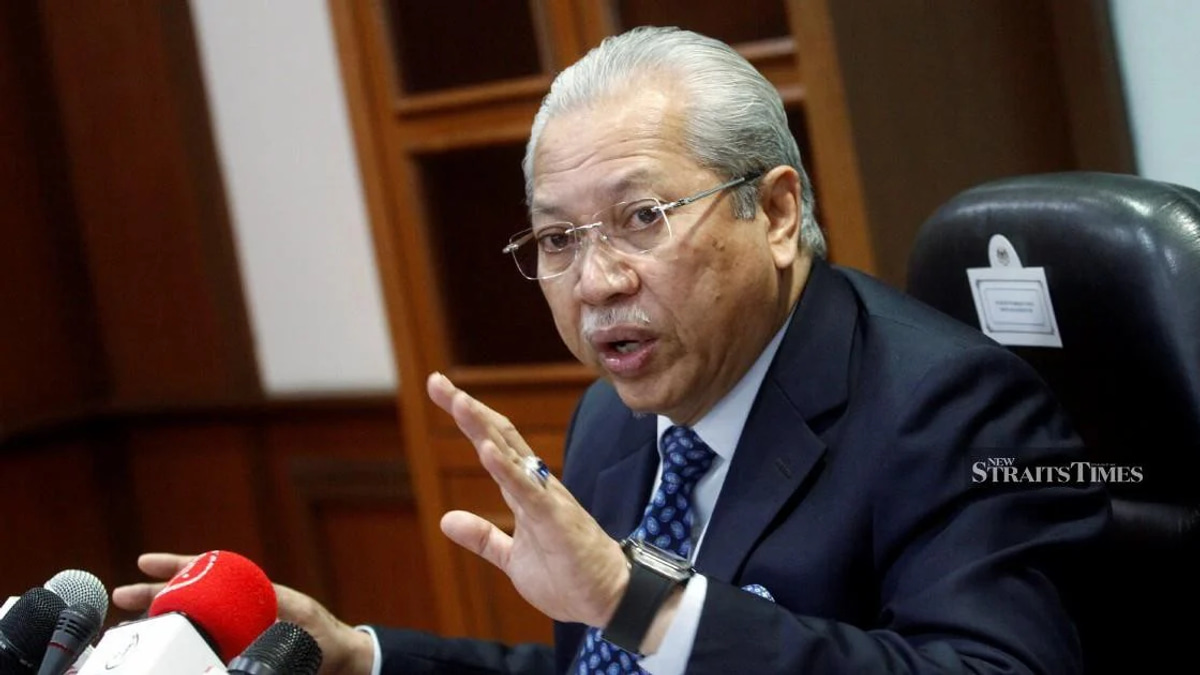
The prosecution has concluded its presentation of evidence in the Sessions Court trial of former Perlis Menteri Besar Datuk Seri Azlan Man, marking a significant milestone in what has become one of the state's most closely watched legal proceedings. The closure came after the Crown called a total of 21 witnesses to establish its case against the former political leader, who stands accused of multiple offences concerning the submission of false documentation and the receipt of funds obtained through improper means.
Datuk Seri Azlan Man is defending against 10 distinct charges spanning allegations that reach to the core of public accountability in the state administration. The charges carry serious implications for the integrity of governance and public trust, as they centre on accusations that the former chief minister misrepresented financial claims and improperly benefited from proceeds tied to unlawful activities. The sheer volume of witnesses deployed by the prosecution—21 in total—suggests a comprehensive investigative effort to substantiate allegations that prosecutors believe demonstrate a pattern of misconduct.
The trial, which has unfolded in Kuala Lumpur's Sessions Court, reflects the gravity with which authorities are treating the matter and the nationwide implications of cases involving senior state administrators. For Perlis residents and observers across Malaysia, the proceedings underscore ongoing scrutiny of how public officials manage state resources and the mechanisms available to hold them accountable through the judicial system. The state, often overshadowed by larger neighbours like Kedah and Penang, suddenly finds itself at the centre of a significant governance narrative.
The accumulation of witness testimony over the trial period has painted a comprehensive picture from the prosecution's perspective, with each of the 21 individuals contributing pieces to support the Crown's allegations. Such extensive witness deployment typically indicates that prosecutors have sought corroborating evidence from multiple angles—financial records specialists, administrative officials, and potentially individuals with direct knowledge of the transactions in question. The breadth of testimony suggests a methodical approach to establishing the factual foundation necessary to sustain conviction.
With the prosecution's case now closed, the burden of responding shifts to the defence team representing Datuk Seri Azlan Man. The former chief minister and his legal representatives must now determine their strategy for the remainder of the trial. They may seek to challenge the credibility of Crown witnesses, present their own evidence to counter the prosecution's narrative, or argue that the facts presented do not meet the legal threshold required for conviction on the charges. This next phase will be crucial in determining the ultimate trajectory of the case.
The nature of the allegations—false claims and unlawful proceeds—touches on persistent concerns within Malaysian society regarding public sector integrity. Recent years have witnessed heightened public attention to cases involving allegations against government officials at federal and state levels, reflecting a broader social demand for accountability. The trial of a former Menteri Besar therefore carries symbolic weight beyond the individual defendant, representing the judiciary's role in testing whether public officials remain subject to the law.
The 10-charge framework suggests that prosecutors have compartmentalised their allegations into distinct incidents or categories of wrongdoing. Some charges may relate to specific false submissions, whilst others address the broader pattern of receiving funds from questionable sources. This approach is standard in complex cases where prosecutors seek to establish both individual instances of misconduct and a pattern demonstrating systematic behaviour, thereby strengthening the overall case.
For the legal profession and court observers, the trial illustrates how state-level cases migrate to federal courts for trial, as this Sessions Court proceeding demonstrates. The decision to conduct the trial in Kuala Lumpur rather than in Perlis itself may reflect considerations about impartiality or the complexity requiring access to higher court facilities and expertise. Such venue choices carry their own significance in Malaysian jurisprudence and can affect how evidence is perceived and evaluated.
The Malaysian legal system's approach to handling cases against senior political figures remains under observation both domestically and internationally. Previous high-profile cases have alternated between swift convictions and acquittals, creating uncertainty about likely outcomes. The prosecution's comprehensive witness strategy in this case suggests confidence in the evidence gathered, though witness testimony alone may be insufficient if the defence successfully challenges credibility or interpretation of events during cross-examination.
As the trial progresses into its next phase, the defence's response will determine whether the case remains contested or faces mounting challenges to its core allegations. The former Menteri Besar's legal team must now deploy their strategy, potentially calling their own witnesses or arguing that the Crown has failed to prove its case beyond reasonable doubt. The journey from prosecution closure to ultimate verdict may still require considerable court time, particularly given the complexity suggested by the 10 charges and 21 witnesses already heard.
The implications extend beyond Perlis to how state administrations nationwide manage public funds and officer conduct. If conviction results, it would reinforce consequences for high-level malfeasance; if acquittal follows, it might signal evidentiary gaps in investigation or prosecution. Either outcome will influence how political leaders, bureaucrats, and the public view accountability mechanisms in Malaysian governance and the consistency with which they are applied across different cases and jurisdictions.