The accumulation of microplastics in soil represents an emerging environmental concern that extends beyond agricultural lands into residential gardens across Malaysia and Southeast Asia. These minute plastic particles, measuring less than five millimetres, originate from the breakdown of larger plastic products commonly used in gardening—from seed trays and plant pots to fertiliser bags and garden tools. As microplastics permeate soil structures, they interfere with the delicate ecosystem of beneficial microorganisms such as bacteria and fungi that are essential for soil fertility and plant nutrient uptake. Understanding the sources of these contaminants within your own garden is the first step toward creating a healthier growing environment and reducing your contribution to this global pollution crisis.
The problem begins at the point of purchase and extends through every stage of gardening. Plastic seed-starting trays, decorative pots, and mesh containers accumulate in sheds and eventually find their way into landfills or the natural environment, where they gradually fragment into microplastics. Beyond obvious garden containers, microplastic sources include plastic packaging materials, detergent bottles used for mixing homemade pesticides or fertilisers, and synthetic twines commonly sold for plant support. In tropical climates like Malaysia's, where heat and ultraviolet exposure accelerate plastic degradation, the rate of microplastic generation may actually be higher than in temperate regions. These particles subsequently leach into soil through water infiltration and soil movement, where they can persist for decades or longer, potentially harming both plant growth and the broader terrestrial ecosystem.
Soil-blocking kits offer an elegant alternative to traditional plastic seed trays for gardeners who enjoy hands-on propagation work. These ingenious tools feature metal moulds that compress a sterile mixture of compost, peat moss, perlite, and nutrients into uniform cubes that require no containers. Beyond eliminating plastic waste, soil blocks provide a horticultural advantage through air-pruning—a natural root-limiting process where roots encounter air at the block's perimeter and cease their horizontal expansion, instead developing a denser, more fibrous root system. When transplanted into garden beds, these plants establish themselves more rapidly and experience less transplant shock compared to traditionally potted specimens. For gardeners new to the technique or those seeking quicker solutions, biodegradable alternatives fashioned from coir fibre or composted manure serve as acceptable substitutes for plastic trays. These materials genuinely decompose rather than fragmenting into microplastics, and can be incorporated directly into beds where they further improve soil structure.
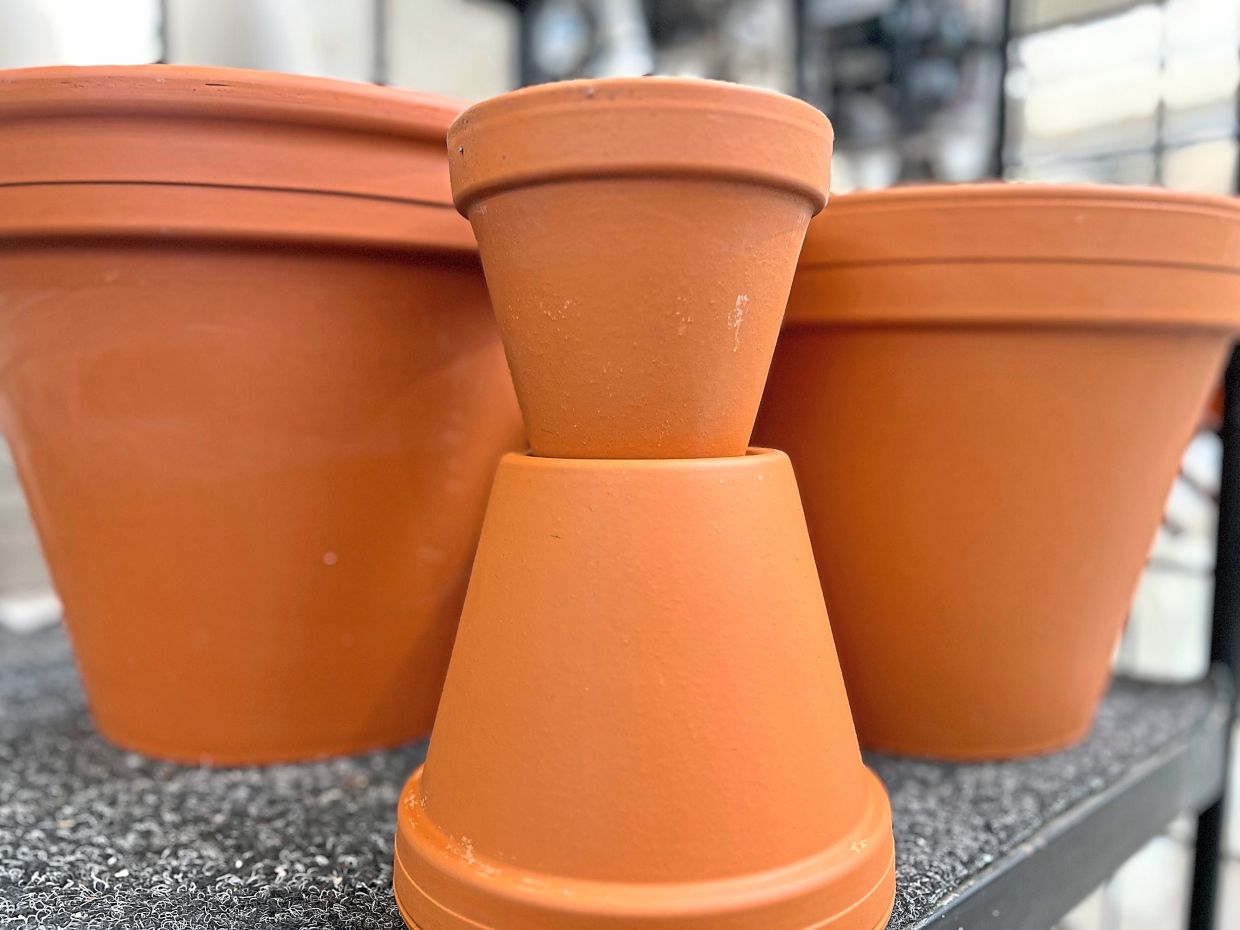
The selection of permanent containers warrants careful consideration, as these represent long-term infrastructure investments in any garden. Terracotta pots, constructed from fired clay, offer durability spanning many seasons while remaining completely inert and non-toxic to soil ecosystems. Wooden containers, though requiring periodic maintenance to prevent rot in Malaysia's humid climate, provide a natural aesthetic and eventual biodegradability. For vegetable cultivation specifically, fabric grow bags made from natural fibres such as jute or hemp deliver superior drainage and air circulation compared to solid containers, promoting vigorous root development. These bags, available in multiple sizes suitable for potatoes, root vegetables, herbs, and tomatoes, often include practical features like roll-up harvesting doors. Always verify fibre composition on product labels, as synthetic alternatives defeat the purpose of reducing microplastic introduction. When selecting plants for acquisition, prioritising bare-root specimens over those sold in plastic nursery pots eliminates an entire category of plastic container waste while often providing superior root systems uncontorted by pot boundaries.
Compost management represents perhaps the most impactful area where individual gardeners can reduce both plastic waste and external soil amendments. Establishing a home composting system transforms kitchen scraps and garden residue into nutrient-rich humus while eliminating the need for bagged compost typically delivered in plastic packaging. Beyond waste reduction, home-generated compost allows gardeners complete transparency regarding inputs, ensuring no contaminated materials or microplastic-laden ingredients enter their growing beds. For those lacking space or inclination to maintain compost piles, purchasing compost in bulk from local suppliers offers significant financial savings compared to bagged alternatives whilst minimising packaging waste. This approach particularly suits Malaysian gardeners, where numerous local suppliers provide quality compost derived from agricultural and horticultural waste streams.
Weed suppression and plant support mechanisms traditionally reliant on plastic deserve substitution with time-tested natural alternatives. Canvas tarps, though heavier and requiring more careful handling than plastic versions, protect beds during fallow periods whilst remaining completely biodegradable. For ongoing weed management, practitioners should abandon synthetic landscape fabric—which fragments into microplastics over time—in favour of organic mulches such as shredded bark, wood chips, or dried leaves. These materials not only prevent weeds but also gradually decompose, enriching soil structure and microbial populations. In fire-prone regions, gravel substitutes provide essential safety compliance whilst avoiding organic material accumulation. Supporting vining plants and top-heavy vegetables requires sturdy infrastructure; bamboo stakes, harvested sustainably from fast-growing stands, provide excellent strength-to-weight ratios, whilst wooden or metal alternatives offer extended longevity. Securing these stakes should employ natural twines derived from hemp or jute rather than synthetic alternatives, completing the transition toward a plastic-free support system.
Implementing these changes needn't represent an all-or-nothing transformation accomplished overnight. Practical gardeners recognise that some plastic items currently in use will remain serviceable for many additional years, and replacing functioning equipment merely to eliminate plastic would itself generate waste. Instead, the philosophy emphasises purchasing decisions going forward and understanding the full lifecycle implications of gardening products. When plastic purchases prove genuinely necessary, prioritising durable, reusable items over single-use alternatives dramatically reduces cumulative microplastic generation. A sturdy plastic tray that endures ten gardening seasons contributes substantially less to environmental contamination than ten seasons of disposable alternatives, even if manufactured from plastic. This measured approach acknowledges practical constraints whilst establishing momentum toward cleaner gardening practices.
The implications of adopting microplastic-conscious gardening practices extend beyond individual health and property values into broader environmental considerations relevant to all Southeast Asian gardeners. Soil quality affects water infiltration rates, flooding resilience, and agricultural productivity across the region. As microplastics accumulate in garden soils, they risk eventually reaching agricultural landscapes and municipal water supplies, where they compromise food production and water safety for entire communities. Malaysian gardeners who adopt sustainable alternatives effectively model behaviours that, when multiplied across thousands or millions of households, create meaningful systemic change. Local suppliers and manufacturers increasingly recognise demand for natural alternatives, making these products more accessible and competitively priced than even five years previously. By gradually shifting purchasing decisions toward biodegradable and sustainable materials, gardeners actively participate in creating market incentives for continued innovation and availability of plastic-free options.

