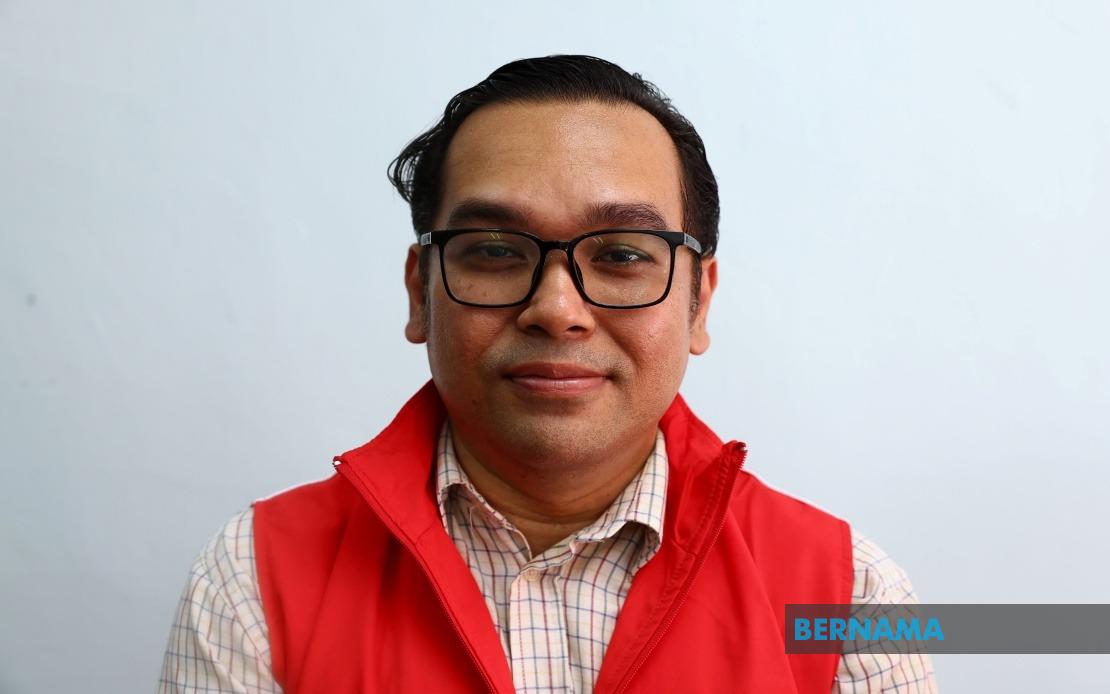
Parti Sosialis Malaysia's sole representative in the 16th Johor state election is banking on a people-centred platform to win over Skudai voters. Amir Syafiq Ameer Soekre, the 40-year-old PSM candidate, has staked his campaign on addressing the cost of living crisis, fair wages and quality of life issues that he argues demand urgent legislative attention in the constituency. His campaign message, encapsulated in the motto "Skudai Saksama" (Equitable Skudai), emphasises social harmony and more balanced economic opportunities for all residents regardless of background.
The significance of Amir Syafiq's candidacy lies in his positioning as a grassroots organiser rather than a career politician. He brings two decades of activism experience dating back to his teenage years, having worked extensively with workers' groups, landless settlers and other economically disadvantaged communities in the area. This background shapes his understanding of local challenges in ways that distinguish his campaign from the traditional party politics that typically dominate such contests. His perspective stems from direct engagement with people struggling to make ends meet, giving his policy proposals a grounded character.
A particularly telling indicator of Skudai's economic pressures emerges in Amir Syafiq's observation about cross-border commuting patterns. Many residents of this Johor constituency travel daily to Singapore for employment, departing as early as three or four in the morning to find work that pays adequate wages. This phenomenon reveals a structural problem: local employment opportunities and income levels are insufficient to sustain households comfortably. The fact that residents prefer the arduous daily commute to Singapore rather than accepting local employment reflects deeper labour market and cost-of-living imbalances that extend beyond individual circumstances to suggest systemic economic dysfunction within the constituency.
Amir Syafiq holds a Master's degree in International Business Management from Teesside University in the United Kingdom, combining his academic credentials with practical experience as a sales executive in the private sector. This profile sets him apart as a first-time electoral contestant who brings both professional standing and ground-level community knowledge to his campaign. His dual positioning—as someone engaged with both formal business sectors and informal grassroots networks—enables him to speak to economic issues with apparent credibility across different stakeholder groups within Skudai.
The candidate's agenda encompasses three interconnected priorities that he argues have been neglected or inadequately addressed. Beyond cost of living, he emphasises better income opportunities and improved public amenities as essential components of the equitable development model he envisions. These issues carry particular resonance in a diverse, rapidly urbanising constituency where residents from different economic backgrounds compete for resources. His emphasis on multiracial harmony alongside economic redistribution suggests a recognition that inequality can undermine social cohesion if left unaddressed.
Skudai's electoral contest has become notably crowded, with Amir Syafiq facing three other candidates in what constitutes a genuine four-way race. The Barisan Nasional candidate is Tan Hiang Kee, while Pakatan Harapan has fielded Kartiyaini Jeyapalan. Parti Bersama Malaysia has nominated Eugene Chua Meng Chong, reflecting the emergence of new political forces in Malaysian electoral competition. Each candidate represents distinct political traditions and policy approaches, though Amir Syafiq's grassroots positioning may offer tactical advantages in a context where voter frustration with conventional politics appears elevated.
PSM's decision to contest through a single candidate rather than fielding a broader slate reflects both the party's limited organisational reach in Johor and its strategic calculation about where it could mount a credible campaign. The party's socialist orientation and focus on worker and rural welfare issues align closely with Skudai's demographic composition and economic challenges. Whether this niche positioning can translate into electoral success depends partly on whether sufficient voters view cost of living and wage justice as sufficiently central to overcome ingrained loyalties to more established parties.
The broader context of the 16th Johor state election encompasses 172 candidates competing across 56 seats, indicating intense political activity in Malaysia's second-most populous state. The election represents a significant test of voter sentiment regarding state governance, economic management and social priorities. Skudai, as an urban-industrial constituency with significant commuter populations, embodies tensions between rapid development, economic inequality and employment precarity that characterise contemporary Malaysian urbanisation.
Amir Syafiq acknowledges that his competitors each possess distinct strengths while expressing confidence that his grassroots approach and people-focused platform will resonate with constituents. This assessment reflects realistic campaign strategy—he is not claiming inevitable victory but rather betting that sustained engagement with residents' daily struggles offers compelling advantages over conventional political messaging. His willingness to contest despite being a first-time candidate operating outside traditional party machines suggests conviction about the viability of his platform.
For Malaysian voters concerned about how political parties address persistent economic challenges facing ordinary households, Amir Syafiq's campaign represents one model of response. Rather than focusing on grand infrastructure projects or sectarian appeals, his emphasis on wages, living costs and basic amenities targets immediate household welfare. The July 11 polling will reveal whether Skudai residents find this approach sufficiently persuasive to overcome ingrained voting patterns. The outcome may also signal broader trends regarding appetite for alternative political voices addressing economic grievances that mainstream parties have struggled to adequately resolve.

