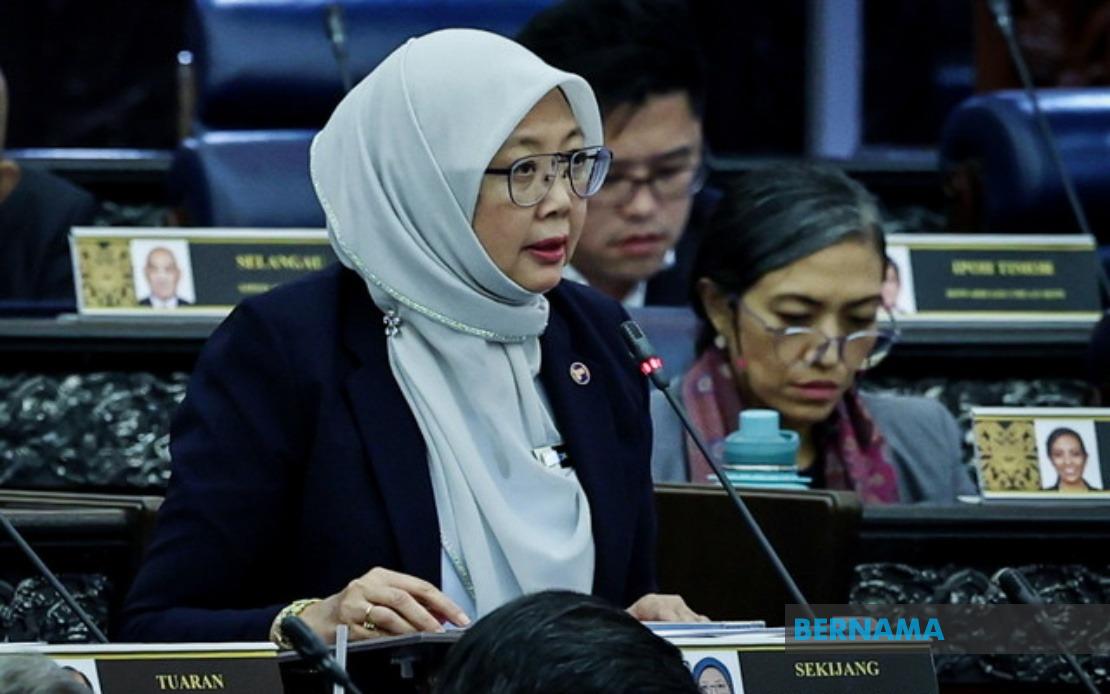
Transparency in the implementation of reforms at Tabung Haji must extend beyond parliamentary briefings to the broader Malaysian public, argues Datuk Seri Dr Zaliha Mustafa, chairman of the Government Backbenchers Club and MP for Sekijang. Speaking during a special sitting of the Dewan Rakyat following a ministerial update on the Royal Commission of Inquiry findings, Dr Zaliha pressed for detailed disclosure of progress on the 25 recommendations issued by the RCI, along with concrete recovery strategies addressing the institution's losses. Her intervention reflects growing concerns about restoring confidence in an institution that serves as a crucial savings vehicle for Malaysian Muslims preparing for the hajj pilgrimage.
The Royal Commission was established in 2021 following revelations of mismanagement and financial irregularities at Tabung Haji spanning the 2014-2020 period. Its members were formally appointed in January 2022, and the inquiry's findings were presented to the Yang di-Pertuan Agong in August 2022. The 211-page report remained confidential until recently, when the government finally released it publicly. This delayed disclosure itself underscores the transparency challenges that have plagued the institution, with depositors left uncertain about the scope of problems and remedial actions being undertaken.
Dr Zaliha's call for fuller accountability goes beyond mere institutional housekeeping. She emphasises that Tabung Haji occupies a unique position in Malaysian financial architecture and Muslim life, handling not just investment funds but the sacred obligation of hajj savings for millions of believers. When such an institution experiences crisis, the implications extend beyond individual depositors to encompass broader questions about whether Malaysia's governance systems adequately protect vulnerable savers. The backbencher's intervention suggests that parliamentary discussion alone is insufficient; the rakyat deserves detailed information about which of the 25 RCI recommendations have been fully implemented, which remain in progress, and realistic timelines for completion.
As of late July this year, Tabung Haji reported implementing 75 per cent of the commission's recommendations, a figure that raises immediate questions about the remaining quarter. What obstacles impede full implementation? Are certain recommendations proving impractical or costly? Do they conflict with broader institutional objectives? Without public disclosure of granular implementation details, depositors and the general public cannot meaningfully assess whether reforms are substantive or merely cosmetic. The government's obligation extends to explaining not just what has been done but why certain measures may still be pending.
Equally critical is the recovery narrative. Tabung Haji suffered substantial losses through poor investment decisions and operational missteps. The institution's subsequent financial rehabilitation depends partly on recovering funds misplaced or misappropriated during the crisis years. Dr Zaliha argues that Malaysians have a right to understand these recovery efforts—which assets are being pursued, what legal mechanisms are being deployed, what success has been achieved, and what realistic expectations exist for future recovery. Such transparency would reassure depositors that the institution is actively fighting to restore their savings rather than merely implementing procedural changes while losses remain unrecovered.
The backbencher also focuses critical attention on leadership accountability during the crisis period. The RCI explicitly identified political pressure preceding a general election as a significant contributing factor to TH's financial deterioration, a damning finding that implicates decision-makers at the highest levels. Dr Zaliha specifically questions the extensive involvement of former chairman Datuk Seri Abdul Azeez Abdul Rahim in controversial investment negotiations, despite his nominal non-executive status. She notes that he simultaneously held positions across multiple TH subsidiaries and related companies, creating potential conflicts of interest and accountability gaps.
Most provocatively, Dr Zaliha raises allegations regarding cash accumulated in accounts linked to the former chairman, which purportedly reached RM170 million at one point. Such figures demand clarification and investigation. Were these legitimate operational funds? Did they represent misappropriated depositor money? What authorisation existed for their accumulation? The government must provide transparent answers to these specific questions rather than deflecting behind procedural announcements. Without such accountability, reform efforts risk appearing performative rather than addressing root causes of institutional failure.
Dr Zaliha's framing of the issue around Muslim unity versus institutional stewardship reveals a deeper tension in Malaysian governance discourse. She argues that calls for religious unity ring hollow if the institutions entrusted with managing Muslim assets are allowed to mishandle funds without consequence or clear accountability. This perspective resonates across Malaysia's Muslim community, where questions about TH's crisis have generated significant concern about whether wealth accumulated through collective savings is being properly safeguarded. The institutional failures of 2014-2020 represent not merely financial setbacks but potential breaches of religious and communal trust.
The broader context includes Malaysia's history with institutional governance lapses, from sovereign wealth fund scandals to corporate failures. Tabung Haji's difficulties are thus neither isolated nor unique, but they carry particular weight given the institution's explicit religious and social mission. Rebuilding credibility requires exceeding minimum disclosure standards; it demands proactive, comprehensive transparency that enables public scrutiny and restores confidence that lessons have been learned and safeguards implemented.
Dr Zaliha's intervention also reflects evolving expectations within Malaysia's legislative branch. Government backbenchers increasingly articulate positions that challenge executive complacency, recognizing that parliamentary oversight carries limited weight without public engagement. By calling for published reports on both reform implementation and recovery efforts, she effectively mobilizes public accountability mechanisms alongside formal parliamentary channels. This approach acknowledges that depositor confidence cannot be legislated but must be earned through demonstrated commitment to transparency and remedial action.
Moving forward, the government faces a choice between continuing selective disclosure and embracing comprehensive transparency about Tabung Haji's recovery. The former may appear administratively convenient but risks perpetuating public scepticism and depositor anxiety. The latter requires investment in detailed reporting and willingness to expose governance failures, but ultimately serves the institution's long-term credibility. Given that millions of Malaysians depend on Tabung Haji for hajj savings, the stakes extend beyond financial metrics to encompass institutional legitimacy and public trust in Malaysia's systems for protecting collective wealth.

