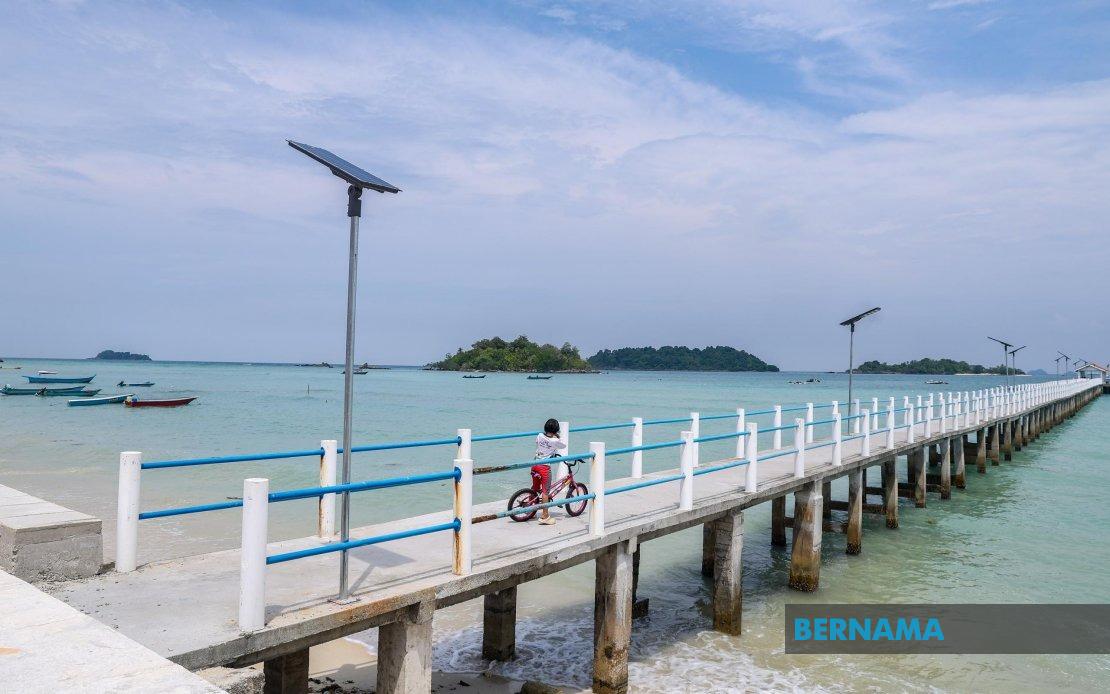
Residents of two villages on Pulau Tinggi are making their priorities clear to candidates contesting the Johor state election this Saturday, raising alarm over a jetty that has deteriorated for years and an acute shortage of adequate housing for the island's B40 fishing community. The island community, numbering around 150 people across Kampung Pasir Panjang and Kampung Tanjung Balang, views these twin infrastructure challenges as central to their economic survival and safety, and are determined that the incoming Tenggaroh state representative addresses them without further delay.
The Kampung Pasir Panjang jetty stands at the heart of daily life on Pulau Tinggi. Both tourists seeking to visit the island and local fishermen who depend on the facility for their livelihoods rely on the structure, yet it has been crumbling since around 2017. Village chief Rossana Hussin, who has held the position since 2024, describes the deterioration as a mounting safety hazard even as residents continue to use the ageing facility out of necessity. Locals have been advised repeatedly to exercise caution, but the underlying issue remains unresolved: the jetty needs comprehensive upgrading to restore it to safe working order and support the island's economic activities.
What makes the situation more frustrating for islanders is that action appears to have stalled at the bureaucratic level. Applications to upgrade the jetty and improve housing facilities were formally lodged with the Mersing District Office in March, and Rossana noted that officials provided positive feedback at that time. Yet several months later, with the state election now upon Johor, no concrete progress has been made on either front. The incoming state government will inherit these applications and the expectations they carry, making infrastructure delivery a tangible test of the new administration's commitment to peripheral communities.
The housing crisis affecting Kampung Tanjung Balang compounds the island's woes. The majority of Pulau Tinggi's residents are fishermen classified within the B40 income bracket, meaning they fall into the bottom forty percent of earners. Many of these families live in homes requiring urgent repairs, whilst others are stuck in incomplete dwellings that offer little protection or comfort. Housing repair assistance programmes exist in theory, yet accessing them appears difficult for a geographically isolated community. Rossana emphasised that targeted housing support would materially improve residents' dignity and wellbeing, lifting a financial burden that leaves many families choosing between maintaining their homes and covering daily expenses.
Beyond the immediate infrastructure needs lies a deeper demographic challenge that concerns older residents. Mariam Mamat, 85, articulated a fear shared across the island: that without economic revitalisation, Pulau Tinggi will continue to empty as younger people leave in search of employment. The island was once home to significantly more residents, but migration has accelerated as opportunities dried up. Some locals relocated to Felda schemes on the mainland, seeking stable incomes that the island can no longer provide. Without concerted efforts to revitalise the tourism sector and create genuine jobs for youth, the demographic drain will persist, eventually hollowing out the community entirely.
Tourism represents an untapped lever for island development. The location attracts visitors drawn to its maritime character and natural setting, yet inadequate infrastructure and poor accessibility undermine this potential. A properly maintained jetty would facilitate easier tourist access, potentially boosting visitor numbers and creating seasonal employment in hospitality, guiding, and transport services. Local business owners could benefit from increased foot traffic, and young people might find reasons to remain or return home. However, this scenario remains theoretical without decisive action on the jetty upgrade and complementary investments in facilities and services.
The timing of these grievances is significant. Approximately 2.7 million eligible voters across Johor are casting ballots on Saturday to elect 56 state lawmakers who will serve the next term. In a competitive electoral environment, candidates are acutely aware that peripheral communities like Pulau Tinggi often feel neglected and are prone to punishing parties that fail to deliver. The island's residents are leveraging this moment to ensure their concerns receive explicit attention from candidates, forcing them to make commitments on paper and before witnesses. Whether those commitments translate into action will determine voter sentiment at the next election.
For Tenggaroh's incoming representative, Pulau Tinggi represents a manageable test case. The jetty upgrade and housing assistance programme require coordination between state government resources, the Mersing District Office, and possibly federal funding channels, but they are not prohibitively expensive or technically complex. Success on these fronts would build political capital in the constituency and demonstrate responsiveness to voters in remote areas. Conversely, inaction or delays would reinforce a perception that island communities are afterthoughts in state development planning, breeding disillusionment that could translate into electoral consequences within five years.
Rossana's appeals for the elected representative and relevant parties to coordinate efforts reflect a broader frustration that solutions exist but lack political will or administrative momentum. Applications have been filed. Feedback has been provided. What islanders need now is follow-through: expedited project approvals, budget allocation, tender processes, and construction timelines. These are not decisions that require groundbreaking policy innovation; they demand competent execution of programmes that should already be in place. For a community of 150 people facing safety hazards and economic stagnation, the difference between neglect and attention is stark.
The election on Saturday will determine which political coalition governs Johor and sets priorities for state resource allocation. Residents of Pulau Tinggi have made their position explicit: they expect the incoming government to move swiftly on jetty repairs and housing assistance whilst exploring ways to anchor younger residents through tourism development and employment creation. How the new Tenggaroh representative and state leadership respond to these demands will offer early evidence of whether this administration truly prioritises all constituents or reserves attention for more visible, politically influential areas.

