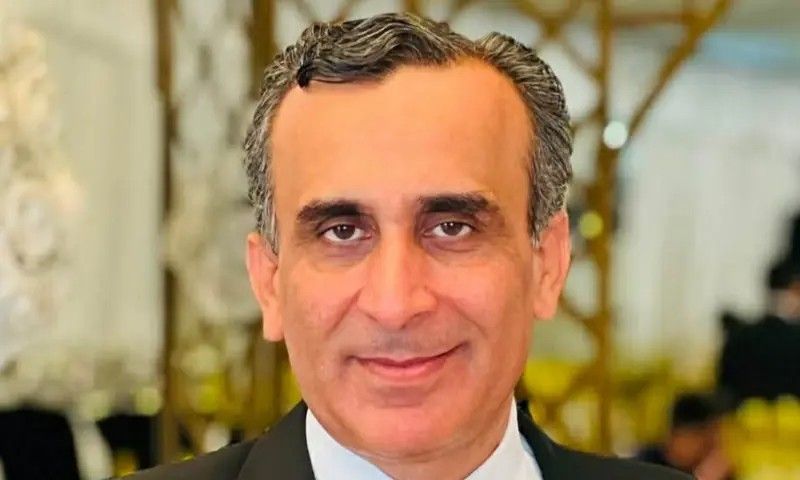
Punjab's provincial government has formally appointed Irfan Sadiq Tarar as Prosecutor General, marking a significant leadership change within the province's prosecutorial hierarchy. The notification was issued on Saturday under the constitutional provisions of Section 6 of the Punjab Criminal Prosecution Service Act 2006, establishing Tarar's tenure for an initial period of three years. This appointment comes at a time when Pakistan's judicial and legal institutions continue to navigate evolving governance frameworks and institutional reforms.
The position became vacant after Farhad Ali Shah received nomination as an additional judge of the Lahore High Court, reflecting the common pattern in Pakistan's legal system where senior prosecutors advance to the judiciary. Shah's elevation represents both a recognition of merit within the prosecution cadre and the interconnected nature of Pakistan's senior legal institutions. Such transitions between the prosecution service and bench appointments underscore how career advancement in the country's legal establishment frequently flows through multiple institutional roles.
Tarar brings substantial credentials from his extensive involvement in bar association leadership. He previously held the position of vice chairman at the Punjab Bar Council, an influential body that represents lawyers' interests and shapes professional standards across the province. Additionally, he served as vice president of the Lahore Bar Association, one of South Asia's oldest and most prominent legal professional organizations. These positions indicate deep engagement with the broader legal community and experience navigating the complex intersection between prosecutorial work and private practice concerns.
Affiliation with the Ahsan Bhoon-led Independent group provides insight into Tarar's professional and political positioning within Punjab's legal landscape. The Independent group represents a significant constituency within bar associations, often championing certain approaches to legal practice and institutional governance. This background suggests Tarar may bring particular perspectives on prosecutorial strategy, lawyer-prosecutor relations, and professional standards to his new role.
The Prosecutor General position holds substantial responsibility within Punjab's criminal justice architecture. As the chief prosecuting authority for the province, the Prosecutor General oversees strategy for major criminal cases, supervises the professional conduct of prosecutors under their authority, and represents the state's prosecutorial interests in the highest courts. With Punjab being Pakistan's most populous province and a major economic centre, the role carries implications extending beyond provincial boundaries into national security matters and high-profile litigation.
Tarar's appointment comes amid broader discussions about prosecutorial independence and effectiveness within Pakistan's criminal justice system. Bar association backgrounds, while providing legal expertise, sometimes raise questions about potential conflicts between private practice networks and state prosecution duties. However, Tarar's progression through professional leadership suggests familiarity with ethical frameworks governing such potential tensions.
The three-year term established for this appointment aligns with standard practice for similar positions within Pakistan's prosecutorial services. This timeframe allows sufficient continuity for implementing prosecutorial policies while remaining subject to periodic review and evaluation. It also maintains alignment with institutional cycles affecting other senior legal positions.
For Malaysian and regional observers, Punjab's prosecutorial leadership carries significance within South Asian legal and security discussions. Pakistan's province-level law enforcement and prosecution directly influences outcomes in terrorism cases, organised crime matters, and commercial disputes affecting regional commerce. Senior appointments in Punjab's judicial and prosecutorial structures therefore warrant attention from those tracking institutional developments across South Asia.
The appointment reflects ongoing institutional adjustments within Pakistan's legal system following broader constitutional and governance reforms implemented over recent years. Such senior personnel changes often signal continuity or shifts in prosecutorial priorities, approaches to case selection, and relationships with investigating agencies. Tarar's bar association background may influence these dimensions differently compared to career prosecutors elevated from within the service.
Looking forward, Tarar's leadership will likely face challenges including case backlogs within the prosecution service, coordination with provincial police and federal investigative agencies, and balancing prosecutorial resources across multiple competing demands. His prior bar association experience suggests awareness of lawyer perspectives on prosecution efficiency and trial management, which could inform approaches to these operational challenges.

