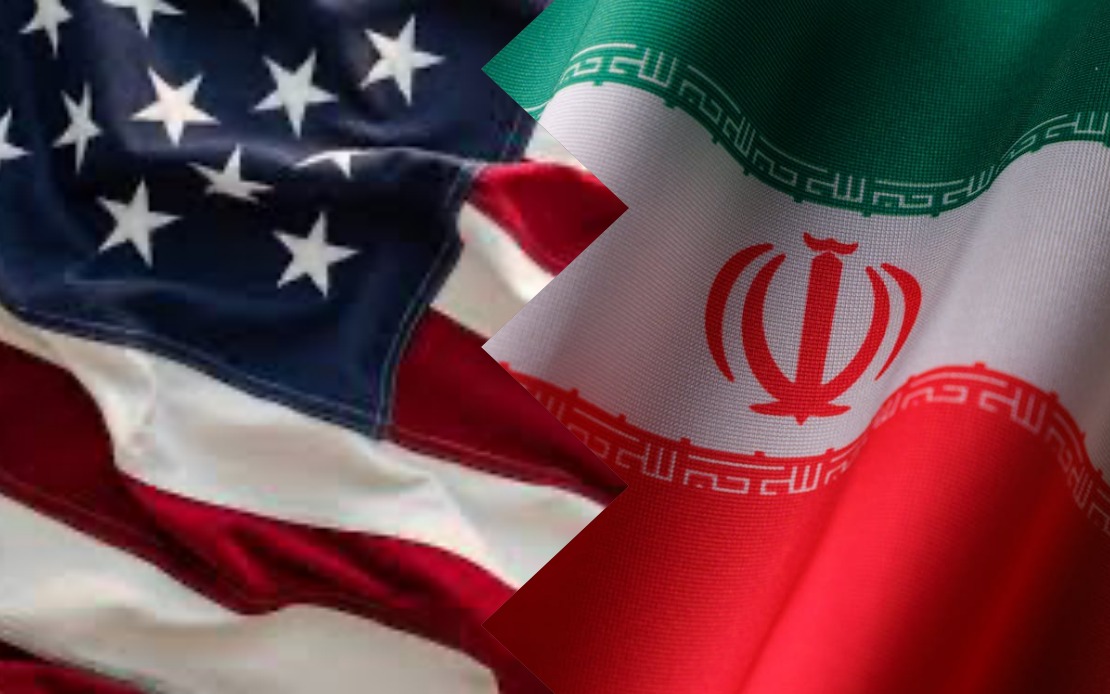
Qatar has moved to consolidate Gulf state backing for the implementation of a US-Iran peace memorandum, reflecting mounting concern that the fragile accord could collapse without sustained regional support. Through direct diplomatic channels, Prime Minister and Foreign Minister Sheikh Mohammed bin Abdulrahman Al Thani contacted his counterparts across the UAE, Saudi Arabia, Kuwait, Oman and Bahrain on Monday to stress the necessity of collective action in translating the agreement into practical outcomes that reduce Middle East tensions.
The timing of Qatar's diplomatic initiative underscores deepening anxiety about the durability of regional security arrangements following months of acute military escalation. The US and Iran reached an initial ceasefire in April, followed by a Pakistan-brokered memorandum of understanding in June intended to terminate their escalating conflict and pave the way for comprehensive peace negotiations. Yet that framework proved insufficient, collapsing last month as Washington and Tehran resumed direct military strikes against each other for nearly two weeks before achieving a new de-escalation.
In his communications with Gulf leadership, Al Thani emphasised that all parties must demonstrate unwavering commitment to dialogue mechanisms rather than military posturing, a subtle but pointed message given recent regional behaviour. He particularly highlighted implementation of the memorandum's maritime provisions, which guarantee freedom of navigation through the Strait of Hormuz—one of the world's most strategically vital shipping lanes. Control or disruption of this waterway has long represented a flash point between Iran and Western powers, with blockade threats previously sending crude oil prices soaring and threatening global energy supplies.
Maintaining secure passage through the Strait remains economically consequential for Malaysia and other Southeast Asian nations dependent on stable energy imports and uninterrupted maritime trade with Europe and the Middle East. Any sustained closure or military confrontation in the channel would ripple through regional economies, affecting everything from shipping costs to fuel prices and industrial competitiveness. For this reason, Qatar's explicit focus on Hormuz security serves Malaysian interests directly, as does its broader advocacy for de-escalation.
The broader context reveals a region struggling to recover from six months of violent confrontation that began in February when the US and Israel initiated coordinated strikes against Iranian targets. Tehran's subsequent retaliation across multiple countries demonstrated the conflict's potential to engulf the entire region in wider warfare. Since then, diplomatic efforts have oscillated between fragile truces and renewed hostilities, creating an unstable equilibrium where accidental escalation remains a persistent danger.
Qatar's diplomatic approach reflects its established role as a regional mediator, a position it has cultivated through decades of engagement with both Western powers and Iran despite occasional tensions with its own Gulf neighbours. By convening a coordinated response among GCC members and Oman—which maintains its own balanced foreign policy—Qatar seeks to prevent any single state from undermining the memorandum or pursuing unilateral advantage through military action. This collective framework approach essentially aims to lock in de-escalation through multilateral consensus.
Saudi Arabia and the UAE, the region's most militarily powerful states alongside Iran, occupy particular importance in this coordination effort. Both countries have previously engaged in proxy conflicts with Iran and maintain security partnerships with the US, creating complex incentive structures that could pull them back toward confrontation if coordination falters. Kuwait and Bahrain, meanwhile, host significant American military installations and face direct security vulnerabilities from regional instability. Oman's inclusion as a neutral party capable of hosting backchannel negotiations adds diplomatic value to the grouping.
The memorandum itself represents a compromise formula designed to satisfy divergent interests without requiring either the US or Iran to abandon core strategic objectives. Rather than resolving underlying disputes, it creates a framework for preventing military escalation while negotiations continue. This distinction matters significantly because it means the agreement's success depends not on resolving grievances but on maintaining sufficient political will among multiple stakeholders to respect its constraints.
For Malaysian policymakers and businesses, the stakes involve both direct maritime security concerns and broader questions about Southeast Asian exposure to Middle Eastern volatility. Any renewed military conflict in the Gulf threatens the region's energy security, disrupts shipping networks that connect Asia to Europe and Africa, and could draw neighbouring countries into proxy dynamics. Malaysia's own interests in maintaining open sea lanes and stable energy supplies align closely with Qatar's diplomatic objectives.
Qatar's emphasis on regional commitment rather than external guarantees also reflects awareness that lasting peace requires buy-in from the states directly affected by escalation. International agreements lacking regional consensus tend toward brittleness, particularly in contexts where honour, strategic competition, and sectarian divisions intersect. By cultivating explicit coordination among Gulf states and Oman, Qatar attempts to construct a foundation of shared interest in stability that transcends individual relationships with external powers.
The diplomatic effort also acknowledges that implementation remains incomplete and vulnerable. Having signed an agreement proves insufficient without mechanisms ensuring compliance, addressing violations, and maintaining dialogue when tensions inevitably resurface. Qatar's push for coordinated action essentially proposes a multilateral monitoring and confidence-building structure embedded within the GCC framework, potentially including mechanisms for rapid consultation if either party alleges violations.
Looking forward, the success or failure of Qatar's coordinated approach will significantly influence regional stability trajectories for the coming months. If Gulf states collectively enforce commitment to the memorandum and supplement it with reinforcing diplomatic initiatives, the ceasefire may consolidate into a durable arrangement. Conversely, if individual states pursue competitive strategies or external powers undermine regional consensus, another escalatory cycle remains entirely plausible, with consequences extending far beyond the Middle East into Asian energy markets and maritime commerce.

