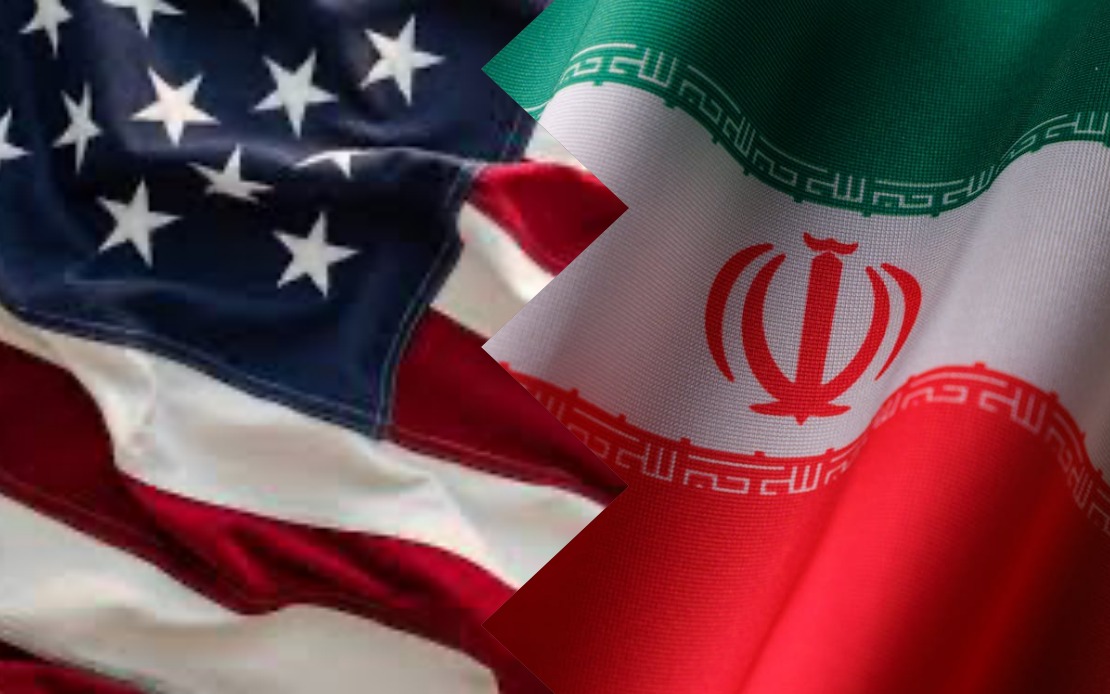
Diplomatic efforts to bridge the widening gulf between Washington and Tehran have reached a new milestone, with Qatar reporting tangible progress in indirect negotiations held this week in Doha. The announcement comes at a particularly sensitive moment for Tehran, as the country prepares to observe funeral rites for former Supreme Leader Ali Khamenei, who was killed in a joint US-Israeli airstrike on February 28. Despite the heightened tensions that might ordinarily derail such discussions, both delegations have signalled their commitment to the ongoing dialogue process.
According to Qatar's Foreign Ministry spokesman Majed Al Ansari, mediators from both Qatar and Pakistan have successfully facilitated separate meetings between the American and Iranian negotiating teams in the Qatari capital. The talks, which concluded recently, focused specifically on matters arising from the Islamabad Memorandum of Understanding, a framework designed to structure negotiations between the two nations. Importantly, the mediators' statement indicates that progress made during these conversations builds upon the outcomes of the Lake Lucerne Summit, suggesting a cumulative diplomatic momentum rather than isolated exchanges.
The decision by both the United States and Iran to maintain engagement despite recent military escalation demonstrates the value that both sides continue to place on dialogue channels, even amid profound disagreements. Qatar's role as a neutral third party with established diplomatic relationships across the geopolitical spectrum has made it an ideal venue for such sensitive negotiations. Similarly, Pakistan's involvement as a co-mediator reflects the broader regional interest in preventing further deterioration of US-Iran relations, with implications for stability across the Middle East and South Asia.
The Islamabad Memorandum of Understanding represents an attempt to establish protocols and common ground between Washington and Tehran on a range of contentious issues. These negotiations have historically touched upon nuclear programme transparency, sanctions regimes, and broader questions of regional security and influence. The fact that both sides consider progress worthy of public acknowledgement suggests that specific technical or procedural advances may have been achieved, though neither party has detailed the precise nature of these breakthroughs.
For Southeast Asian nations including Malaysia, developments in US-Iran relations carry significant weight. The region's economic dependence on global energy markets means that volatility in Middle Eastern geopolitics directly affects fuel prices and shipping routes. Furthermore, extremist groups linked to Iranian interests or opposed to American influence have operational cells across Southeast Asia, making regional stability a matter of direct concern for ASEAN countries. Any reduction in US-Iran tensions consequently benefits the broader security architecture upon which regional prosperity depends.
The scheduled funeral proceedings for Ali Khamenei on Friday will provide a natural pause in negotiations. By publicly committing to resume talks following this period of mourning, both sides have demonstrated respect for Iran's internal processes whilst signalling that the diplomatic window remains open. This timing also allows both delegations to regroup and consult with their respective capitals before engaging in the next round of discussions. The agreement to schedule the subsequent meeting at the earliest feasible opportunity suggests that momentum will be maintained rather than permitted to dissipate.
The Lake Lucerne Summit referenced in the statement appears to have established the broader framework within which these Doha discussions are occurring. This suggests a structured, multi-venue approach to negotiations rather than ad hoc meetings. Such an approach typically indicates that experienced diplomatic teams are engaged in methodical progress on distinct agenda items, building incrementally towards larger agreements. The involvement of both Qatar and Pakistan as dual mediators also reduces the likelihood of either nation being perceived as favouring one side, thereby lending legitimacy to the process.
For Malaysian policymakers and observers, the continuation of these negotiations warrants close attention. Should US-Iran relations improve, the implications for oil markets, regional security partnerships, and the broader Middle East balance of power could reshape international dynamics that directly affect Southeast Asia. Conversely, a breakdown in talks would likely accelerate regional militarisation and increase the risk of direct conflict, with unpredictable consequences for global commerce and stability.
The commitment by both the United States and Iran to continue substantive discussions represents a recognition that confrontation alone serves neither nation's strategic interests. While significant differences clearly persist between Washington and Tehran, the willingness to engage in structured dialogue through trusted mediators suggests that each side perceives potential benefits from negotiated settlement over continued escalation. As the funeral ceremonies conclude and the diplomatic calendar moves forward, the next round of talks will prove crucial in determining whether current positive momentum can be sustained.

