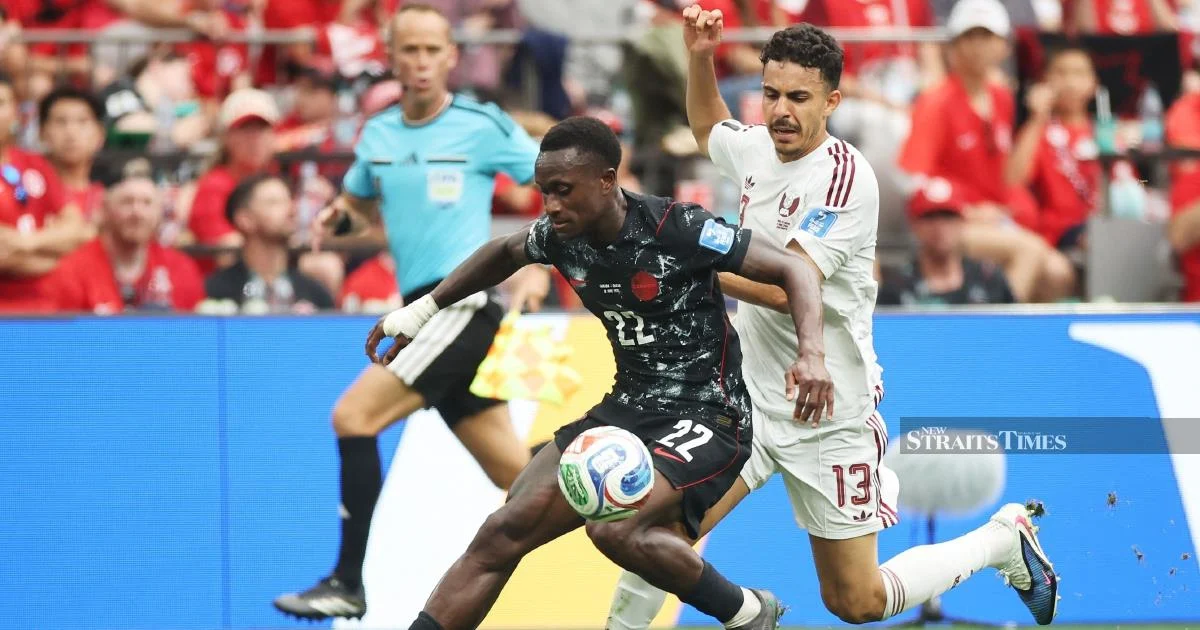
Qatar's campaign at the World Cup ended in spectacular failure with a 6-0 demolition at the hands of Canada, a result that has reignited debate about the fundamental disconnect between a nation's spending power and its ability to develop a genuinely competitive football programme. The scoreline was among the most lopsided defeats suffered by any host nation in World Cup history, and it underscored what many football analysts have long argued: that no amount of money can substitute for the structural foundations required to build sustainable international success.
The scale of Qatar's investment in football over the past two decades has been extraordinary by any standard. The Gulf nation has poured billions of dollars into developing infrastructure, acquiring world-class coaching talent, and nurturing domestic competitions designed to elevate the standard of local play. Yet despite this unprecedented financial commitment, the national team struggled to compete at the highest level of international football when it mattered most. The Canadian performance exposed the fundamental weaknesses in an approach that prioritised resources over genuine developmental pathways and organic talent cultivation.
Experts have pointed to several interconnected problems that money alone cannot solve. The most obvious is demographic constraint. Qatar has a small native population, which limits the pool of potential footballers available for selection and development. Even with unlimited financial resources, this biological reality cannot be overcome through spending. Countries with larger populations naturally generate greater numbers of talented players simply through volume, giving them a statistical advantage that no amount of investment can fully neutralize.
The foreign player recruitment strategy that Qatar adopted, while financially viable, created its own complications. Rather than developing homegrown talent systematically, the nation pursued naturalisation of overseas players, a practice that generated controversy and failed to produce the cohesion and understanding necessary for a successful international team. The approach raised questions about whether imported talent, however individually gifted, could replicate the team chemistry and tactical synchronisation that emerges from shared youth development systems and cultural connection.
Likewise, the transfer of financial resources did not automatically translate into superior coaching infrastructure or footballing philosophy. Building a world-class academy system requires not just facilities and salaries but also time, expertise accumulated through generations of experience, and a clear long-term strategic vision. Qatar attempted to compress what typically takes decades into a compressed timeframe, expecting rapid results that simply did not materialise. The coaches and systems imported from elsewhere could not instantly transform the local player development culture or establish the deep institutional knowledge necessary for sustained success.
The World Cup defeat also highlighted the importance of competitive experience at elite levels. Qatar's domestic league, while well-funded, did not provide the same intensity of competition that European or South American players routinely face. Playing week after week against genuinely competitive opponents at the highest level sharpens technical and tactical awareness in ways that domestic dominance cannot replicate. The Canadian players, by contrast, came from competitive leagues in Europe and North America, where they faced world-class opponents regularly and developed their skills under constant pressure.
For Southeast Asian football observers, Qatar's experience carries particular relevance. The region has countries with far greater populations and developed football cultures than Qatar, yet many have struggled to achieve consistent international success despite substantial investment in recent years. The lesson appears to be that sustained excellence requires patience, institutional stability, and alignment between investment and realistic developmental timelines. Throwing money at problems without addressing the underlying structural issues invariably produces disappointing results.
Moreover, Qatar's failure serves as a cautionary tale about the dangers of prioritising short-term sporting ambition over long-term national development. The decision to host the World Cup as a premier global event was partly motivated by a desire to establish Qatar as a major football power. Yet hosting a tournament and performing credibly in it are entirely different objectives, requiring different strategies and realistic expectations. The rush to achieve rapid football dominance, fuelled by financial resources, collided with the stubborn reality that international football success emerges from organic development over generations rather than through accelerated programmes.
The Canadian victory was earned through consistent player development, strong institutional structures, and competitive experiences that shaped their squad over years. Their players developed within established coaching systems, played regularly in demanding leagues, and accumulated the tactical maturity that comes from sustained exposure to elite competition. Qatar attempted to purchase this accumulated advantage all at once, a fundamentally misguided strategy that has now been exposed on the world's largest football stage.
Moving forward, Qatar faces difficult questions about whether to maintain its enormous football investment or recalibrate expectations. The more instructive question for other nations attempting to build competitive international programmes is whether the Qatari experience demonstrates that financial resources are helpful but ultimately secondary to systematic talent development, competitive exposure, and realistic timelines. In football, as in most endeavours, shortcuts rarely work, and no cheque, however large, can substitute for the patient accumulation of experience and expertise that underpins genuine sporting excellence.
%22%2F%3E%3C%2Fpattern%3E%3C%2Fdefs%3E%3Crect%20width%3D%22100%25%22%20height%3D%22100%25%22%20fill%3D%22url(%23ph5ran1g)%22%2F%3E%3Crect%20width%3D%22100%25%22%20height%3D%22100%25%22%20fill%3D%22url(%23ph5ran1p)%22%2F%3E%3Ctext%20x%3D%2250%25%22%20y%3D%2250%25%22%20text-anchor%3D%22middle%22%20dominant-baseline%3D%22central%22%20fill%3D%22rgba(255%2C255%2C255%2C0.95)%22%20font-family%3D%22Georgia%2C%20'Times%20New%20Roman'%2C%20serif%22%20font-weight%3D%22700%22%20font-size%3D%22226%22%20letter-spacing%3D%22-0.02em%22%3EMarcos%3C%2Ftext%3E%3C%2Fsvg%3E)
%22%2F%3E%3C%2Fpattern%3E%3C%2Fdefs%3E%3Crect%20width%3D%22100%25%22%20height%3D%22100%25%22%20fill%3D%22url(%23ph4j85ng)%22%2F%3E%3Crect%20width%3D%22100%25%22%20height%3D%22100%25%22%20fill%3D%22url(%23ph4j85np)%22%2F%3E%3Ctext%20x%3D%2250%25%22%20y%3D%2250%25%22%20text-anchor%3D%22middle%22%20dominant-baseline%3D%22central%22%20fill%3D%22rgba(255%2C255%2C255%2C0.95)%22%20font-family%3D%22Georgia%2C%20'Times%20New%20Roman'%2C%20serif%22%20font-weight%3D%22700%22%20font-size%3D%22272%22%20letter-spacing%3D%22-0.02em%22%3EPerak%3C%2Ftext%3E%3C%2Fsvg%3E)