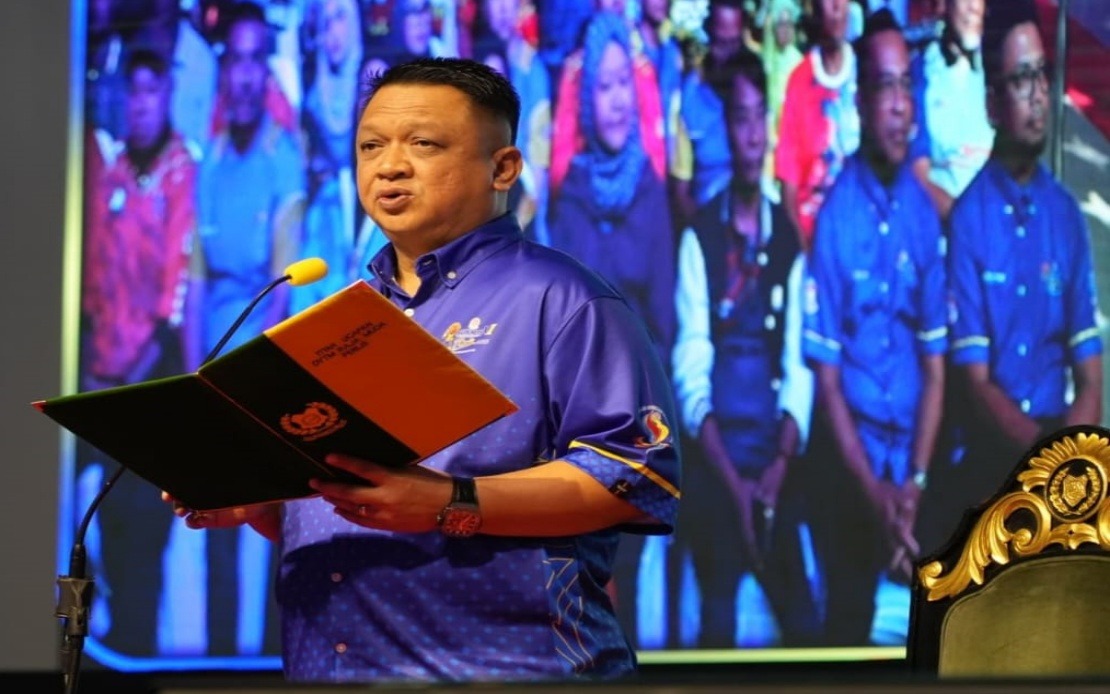
The Raja Muda of Perlis Tuanku Syed Faizuddin Putra Jamalullail has articulated a comprehensive strategic roadmap intended to steer Majlis Amanah Rakyat (MARA) through an increasingly complex and digitalized future. Speaking at the opening of the 11th Sukan MARA Se-Malaysia (SUKMAS) in Kangar on August 30, the royal patron laid out three interconnected thrusts designed to reshape how the agency operates and positions itself within Malaysia's developmental landscape.
At the heart of the Raja Muda's vision lies technological transformation, particularly the embrace of artificial intelligence and allied innovations. Rather than merely responding to technological change as it arrives, MARA personnel must develop the institutional confidence to pioneer the deployment of these tools across their operations. This emphasis carries particular weight for an agency historically tasked with nurturing Bumiputera entrepreneurship and skills development. By positioning MARA as an active shaper rather than passive adapter of technological trends, the Raja Muda has signaled expectations that the organization modernize its delivery mechanisms, streamline administrative processes, and harness data-driven insights to better serve its constituency.
The second pillar of the proposed framework focuses on intensifying MARA's entrepreneurship mandate through a lens of international competitiveness. The Raja Muda called for the cultivation of entrepreneurs who possess not merely the technical capability to launch ventures, but the strategic audacity to compete on global platforms. This aspiration reflects growing recognition within policy circles that Malaysia's economic future depends less on domestic market dominance and more on building enterprises with genuine export capacity and international brand recognition. For MARA, this means recalibrating mentorship, training, and financing mechanisms to produce founders capable of navigating complex supply chains, understanding foreign market dynamics, and building organizations resilient enough to weather external shocks and market volatility.
Leadership development constitutes the third strategic thrust, with emphasis placed on cultivating decision-makers who demonstrate decisiveness, strategic acuity, and catalytic capacity. The articulation here merits careful attention, as it suggests a deliberate pivot toward producing leaders who function as agents of institutional transformation rather than custodians of established protocols. In the Malaysian context, where bureaucratic hierarchies often privilege consensus and risk-aversion, the Raja Muda's call for strategic leadership that actively drives change represents a notable departure from conventional expectations of public sector management.
The SUKMAS tournament itself, while serving as the formal platform for these pronouncements, carries significance beyond its immediate sporting context. The biennial event, which runs through September 3 and features fifteen sporting disciplines including football, netball, volleyball, sepak takraw, and tennis, functions as a mechanism for institutional cohesion and cultural reinforcement within MARA. By bringing together approximately three thousand athletes and officials representing fourteen MARA teams across Malaysia, the tournament creates opportunities for personnel spanning diverse departments, geographic origins, and functional specializations to interact beyond formal bureaucratic channels. This aspect of the event holds particular importance in an organization as geographically dispersed as MARA.
MARK director-general Datuk Seri Zulfikri Osman emphasized during remarks to journalists that the tournament extends beyond internal organizational benefits, creating meaningful engagement platforms with the wider Perlis community. The positioning of such events as vehicles for community outreach reflects broader institutional recognition that public sector legitimacy increasingly depends on demonstrating tangible connection to the populations served. In the Malaysian federation's context, where state-level identity remains significant, hosting such tournaments in individual states also serves federative purposes by reinforcing national institutional presence at subnational levels.
For Southeast Asian and Malaysian observers, the Raja Muda's strategic articulation warrants consideration within several broader contexts. First, the emphasis on technological adoption aligns with regional and global imperatives around digital transformation that have accelerated substantially over recent years. Organizations across the Association of Southeast Asian Nations have grappled with similar challenges regarding technological integration and workforce adaptation. MARA's explicit positioning toward AI and advanced technologies situates the agency within this wider conversation, suggesting institutional alignment with development trends that transcend Malaysian borders.
Second, the entrepreneurship thrust reflects persistent regional challenges regarding the quality and scale of domestic enterprises capable of competing beyond national markets. Malaysian policymakers have repeatedly identified the shortage of mid-sized, internationally competitive companies as a constraint on sustainable growth. MARA's historical role in supporting Bumiputera business development gives the agency particular significance in addressing this structural gap. The Raja Muda's emphasis on global competitiveness suggests institutional readiness to move beyond quota-based support mechanisms toward performance-oriented approaches that prioritize entrepreneurial excellence regardless of sectoral or demographic considerations.
Third, the leadership development focus reflects recognition that institutional effectiveness in rapidly changing environments depends fundamentally on the quality, orientation, and courage of management cadres. This concern transcends Malaysia, touching core questions about how public sector organizations across Southeast Asia can develop leaders equipped to navigate technological disruption, market volatility, and competing stakeholder expectations. The Raja Muda's framing suggests an institutional commitment to moving beyond traditional civil service norms that emphasize compliance and stability toward embracing calculated risk-taking and strategic innovation.
The convergence of these three thrusts indicates an underlying philosophy that MARA's future relevance depends on fundamental transformation rather than incremental adjustment. The agency faces persistent pressures regarding effectiveness, fiscal efficiency, and alignment with contemporary economic realities. By articulating a vision centered on technology, international competitiveness, and transformative leadership, the Raja Muda has implicitly acknowledged these pressures while offering a blueprint for institutional renewal. Whether MARA's personnel and management can operationalize these strategic ambitions will significantly influence the agency's capacity to remain central to Malaysia's development objectives during the coming decade.
The timing of these pronouncements, coming as Malaysia navigates post-pandemic economic readjustment and intensifying regional competition, underscores their practical urgency. MARA, like similar development-focused institutions across Southeast Asia, operates within environments of constrained fiscal resources, evolving demographic patterns, and technological disruption. The Raja Muda's emphasis on bold exploration, entrepreneurial resilience, and strategic leadership reflects understanding that adaptation has become imperative rather than optional for government institutions seeking to maintain relevance and effectiveness.

