The Malaysian government is preparing to roll out an extensive public education initiative aimed at clarifying the Royal Commission of Inquiry's conclusions regarding Tabung Haji, the Islamic pilgrimage savings fund that serves millions of Muslim depositors across the country. The campaign will leverage the networks of Islamic scholars and religious authorities to ensure comprehensive reach and credibility when communicating findings about how the institution managed public deposits.
Former Minister in the Prime Minister's Department (Religious Affairs) Datuk Seri Dr Mujahid Yusof Rawa outlined the scope of this initiative, explaining that Islamic scholars and religious figures would disseminate the RCI findings through established community channels including mosques, prayer houses, educational institutions at all levels, government departments, and localised learning platforms. This multi-platform approach reflects the understanding that trust in information about Tabung Haji—an institution holding deposits from 9.7 million Muslims—requires endorsement from respected religious and community voices rather than government announcements alone.
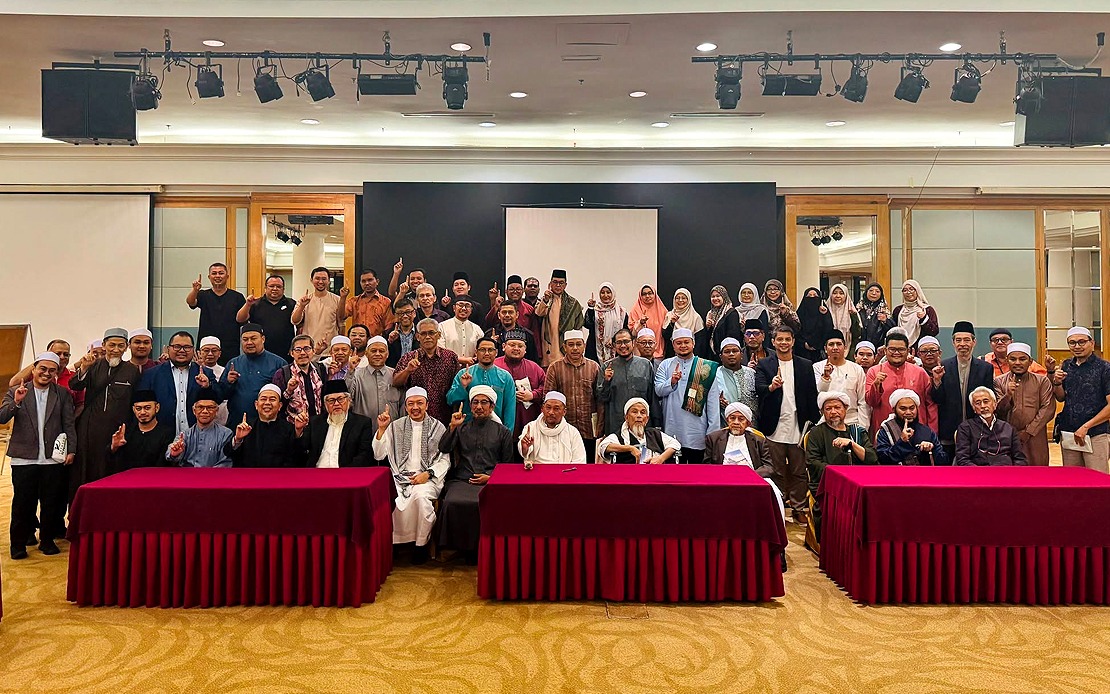
The initiative takes its foundation from a special scholarly conference titled Hifz al-Mal (Protection of Wealth), convened recently at De Palma Hotel in Ampang. The gathering brought together more than 100 Islamic scholars and religious leaders from throughout Malaysia to examine the RCI's conclusions and deliberate on the collective responsibility for safeguarding depositor savings. This conference served as a knowledge-sharing platform where religious authorities could familiarise themselves with technical details of the inquiry before becoming ambassadors for public understanding.
Mujahid, who also serves as deputy president of Amanah, articulated the overarching purpose with clarity: the facts surrounding Tabung Haji's management must be thoroughly explained to the public, public confidence must be restored, and preventive mechanisms must be established to preclude future misappropriation. He framed Tabung Haji not merely as a financial institution but as a trust held on behalf of Malaysia's Muslim community, positioning the responsibility for its protection as a shared moral obligation rather than a purely regulatory matter.
The Malaysian Ulama Secretariat coordinated the Hifz al-Mal conference in collaboration with the Malaysian Ulama Council's Mursyid al-'Am (Spiritual Leader) Abdul Rahim Abdul Rahman, ensuring participation from established religious hierarchies. This partnership between institutional Islamic bodies and grassroots scholars amplified the conference's reach and legitimacy across different segments of the religious establishment.
What distinguishes this campaign from standard government communications is its deliberate assembly of multidisciplinary expertise. The Hifz al-Mal conference brought together not only Islamic scholars but also chartered accountants, economic commentators, legal practitioners, religious educators, and pondok (Islamic boarding school) scholars. This fusion of religious authority with technical expertise enabled discussion of the RCI findings across multiple dimensions—theological principles governing wealth protection, financial management practices, accounting standards, legal compliance, governance structures, and community stewardship.
The conference examined the RCI conclusions from professional accounting and legal perspectives while simultaneously addressing the spiritual and ethical dimensions of safeguarding community assets. Sessions explored how religious figures could interpret and contextualise the inquiry's technical findings for general audiences, and how communities themselves could participate in monitoring and protecting Tabung Haji's operations. This dual focus on expertise and community engagement recognises that effective institutional reform requires both technical corrections and restored public confidence.
The Hifz al-Mal principle underpinning this initiative carries particular resonance for Islamic institutions managing collective resources. Derived from Islamic jurisprudence on wealth preservation, the concept establishes a religious and ethical framework for discussing Tabung Haji's failings not merely as governance or accounting problems but as breaches of sacred trust. By anchoring the campaign in this theological principle, organisers elevated the conversation beyond technical corrections to encompass moral responsibility and spiritual obligation.
The nationwide rollout through mosques and surau will reach millions of Malaysian Muslims during regular worship and educational activities, providing a natural venue for systematic information dissemination. Schools and universities will enable engagement with younger generations and educated audiences who can become informed advocates for institutional accountability. Government departments and official platforms will ensure that civil servants understand the RCI's conclusions, while community education spaces will address residents in their local contexts.
For Malaysia's depositors and the broader Muslim community, this campaign signals an attempt to rebuild institutional legitimacy through transparent communication and religious authority endorsement. The involvement of respected Islamic scholars implies that the RCI's findings align with religious principles of honesty and stewardship, potentially accelerating public acceptance of recommended reforms. However, the campaign's success will depend on whether scholars can convincingly explain complex financial and governance issues to diverse audiences while maintaining credibility and public engagement.
The nationwide scope of this initiative reflects the significance of Tabung Haji to Malaysia's Muslim population and the seriousness with which authorities are treating the need for public understanding and renewed confidence. By embedding information dissemination within religious and community structures rather than relying solely on government channels, the campaign acknowledges that institutional trust requires endorsement from community leaders and moral authorities. This approach may establish a model for how Malaysia communicates findings from major inquiries affecting large populations with strong institutional and cultural connections.

