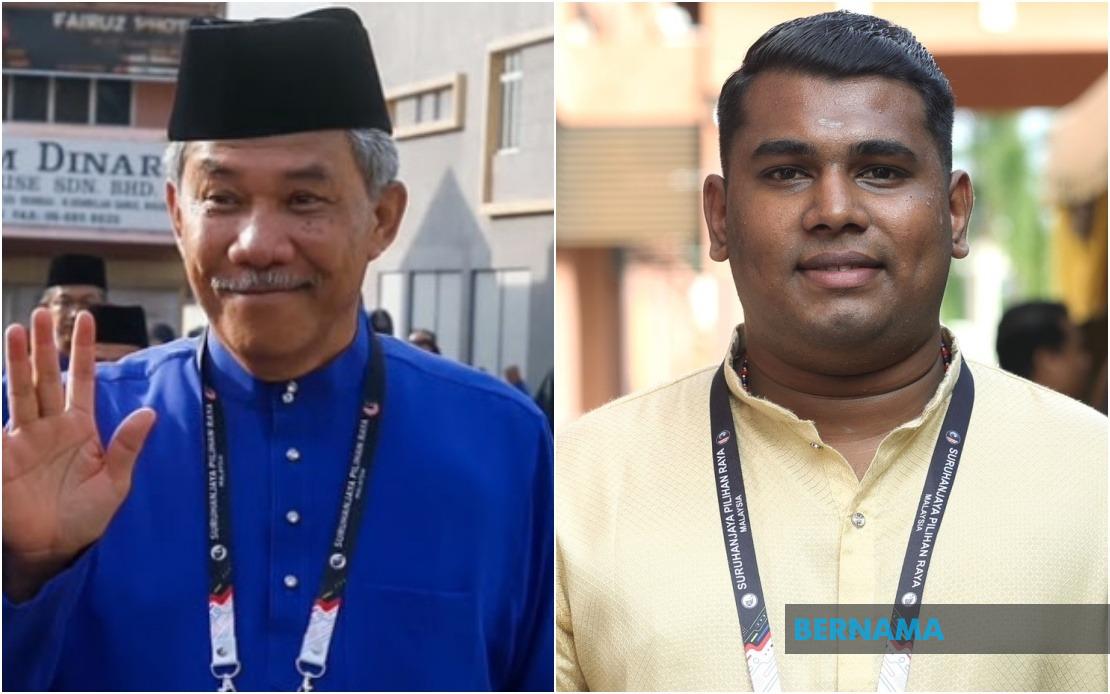
The 16th Negeri Sembilan state election is set to make history with the candidacy of M. Leevineshwaraan, a 23-year-old representing Bersatu in a competitive five-cornered battle for the Sri Tanjung state seat. The young candidate's entrance into the political arena marks a generational shift in the state's electoral landscape, as he attempts to secure voter support in a constituency where experience and incumbency have traditionally held considerable sway.
Leevineshwaraan faces an uphill task in Sri Tanjung, where the incumbent Datuk Dr G. Rajasekaran of Pakatan Harapan retained his seat in the previous election with a commanding majority of 3,996 votes. The incumbent's strong showing reflects the challenges that newcomers, particularly youth candidates, encounter when attempting to dislodge well-established political figures. Sri Tanjung, situated within the Port Dickson parliamentary constituency, encompasses 19,590 registered voters who will determine the outcome of this contest when polling occurs.
The youth representation in this election builds upon a trend that began in the previous 2023 state polls, when Muhammad Syakir Fitri Sadri held the distinction of being the youngest candidate at 25 years old. Syakir contested the Paroi seat as an Independent candidate, establishing a precedent for younger political participation in Negeri Sembilan. That Leevineshwaraan has now surpassed this benchmark by two years, and is doing so with the backing of an established political party rather than standing independently, suggests an intentional strategy by Bersatu to inject youthful energy and fresh perspectives into its state-level campaign efforts.
Balancing the youth representation at the opposite end of the age spectrum, two septuagenarian candidates represent the senior contingent in this election. Datuk Seri Mohamad Hasan, the deputy chairman of Barisan Nasional, and Pakatan Harapan's Abd Latif A Tambi both stand at 70 years old, making them the eldest candidates in the race. Mohamad is defending his Rantau seat, positioned within the Rembau parliamentary constituency where 34,831 voters are eligible to cast ballots. Abd Latif, meanwhile, contests in Gemencheh, which falls under the Tampin parliamentary constituency and has 24,916 registered voters. Both candidates will engage in two-way contests against their respective opponents, suggesting that their constituencies remain politically consolidated rather than fragmented among multiple challengers.
In the prior 2023 election, the oldest candidate had been Bujang Abu, an Independent candidate aged 72, representing a higher ceiling for age representation. However, Bujang's absence from this year's contest stems from administrative complications—specifically his failure to furnish required documentation to the Election Commission. This procedural obstacle underscores the bureaucratic rigours that candidates must navigate, regardless of seniority or prior electoral participation. The absence of an even-older candidate this cycle, therefore, reflects institutional requirements rather than deliberate voter preference or political strategy.
The election also marks a subtle but meaningful progression in gender representation among candidates. Nine women are contesting the 103 available seats across the state, representing an increase from the eight female candidates who stood during the 15th state election out of 83 total seats. Pakatan Harapan is leading efforts to promote gender diversity, fielding four of the nine women candidates, which reflects evolving organisational commitments to balanced representation. While the absolute numbers remain modest, the proportional increase suggests that political parties are gradually reassessing their candidate selection processes to incorporate more female voices and perspectives.
The temporal structure of the election itself reflects Malaysia's established electoral procedures. Early voting has been scheduled for July 28, providing eligible voters including polling agents and election officials with opportunities to cast ballots prior to the main polling day. The official election date of August 1 will determine which candidates secure mandates across Negeri Sembilan's 36 state seats. This staggered voting arrangement accommodates the operational needs of the election administration while allowing greater flexibility for certain voter categories.
From a Malaysian political perspective, the emergence of candidates spanning from 23 to 70 years old reflects the diverse generational and experience profiles present within the country's electoral system. Younger candidates like Leevineshwaraan bring technological proficiency, social media engagement capabilities, and fresh policy ideas, while senior figures like Mohamad and Abd Latif bring decades of legislative experience and established networks. The competition between these generational cohorts across various constituencies will provide valuable insights into voter preferences regarding experience versus novelty, continuity versus change, and established credibility versus emerging talent.
The Sri Tanjung contest, in particular, will serve as a barometer for whether Malaysian voters—at least in Negeri Sembilan—are receptive to significantly younger candidates who lack prior electoral experience. Leevineshwaraan's performance against the incumbent Rajasekaran will indicate whether party affiliation and youthful energy can overcome the inherent advantages of incumbency and proven electoral performance. Should Leevineshwaraan perform respectably despite losing, it may encourage other political parties to invest in youth candidate development programmes. Conversely, a decisive defeat might reinforce traditional preferences for experienced politicians.
The gender dynamics in candidate selection also warrant observation, as the nine women contesting represent a pool of political talent that remains significantly underutilised relative to population demographics. Pakatan Harapan's relative commitment to fielding female candidates suggests that coalition parties are more inclined toward progressive representation policies than their counterparts. Whether this translates into electoral success for the women candidates, and whether such outcomes influence future candidate selection decisions across all parties, remains an open question that the August 1 results will help illuminate.

