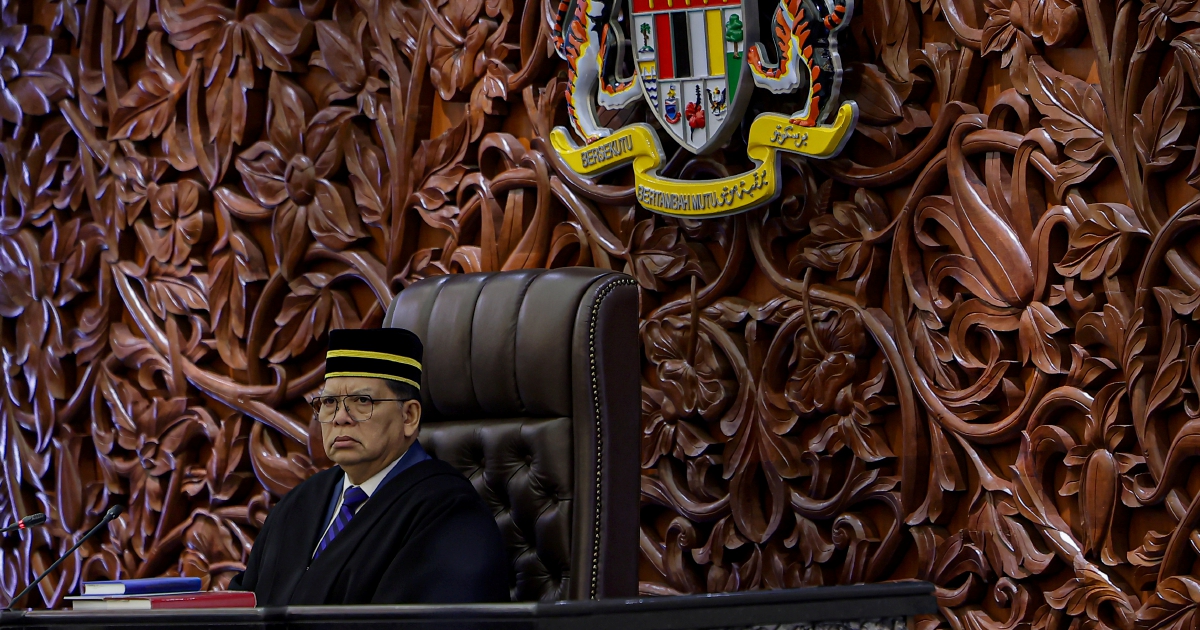
Religious Affairs Minister Dr Zulkifli Hasan is set to unveil the findings of the Royal Commission of Inquiry into Tabung Haji's operations during a special parliamentary session scheduled for next week. The presentation marks a significant moment for the hajj fund, which has faced mounting scrutiny over its financial management and governance in recent years. The decision to hold a dedicated sitting underscores the gravity of the inquiry and parliament's commitment to addressing concerns raised by Malaysian pilgrims and stakeholders regarding how the institution has conducted its affairs.
The establishment of the RCI reflected growing public concern about Tabung Haji's performance, particularly following reports of investment losses and questions about transparency in decision-making. As the sole official hajj savings fund in Malaysia, Tabung Haji holds substantial sums from millions of Muslims saving to fulfil the Islamic pillar of hajj. Any shortcomings in its management directly impact the retirement savings and spiritual aspirations of ordinary Malaysians, making the inquiry findings a matter of considerable national importance.
The parliamentary presentation will provide lawmakers with a comprehensive overview of the commission's investigation into various aspects of Tabung Haji's operations. Members of the Dewan Rakyat will have the opportunity to scrutinise the findings and engage in debate about remedial measures needed to strengthen governance frameworks and restore public confidence in the institution. This transparency mechanism is crucial for accountability in Malaysia's religious and financial institutions, particularly those managing public assets on behalf of citizens.
Tabung Haji's challenges have emerged against a backdrop of evolving global financial markets and changing investment landscapes. The fund's exposure to various asset classes and its performance relative to benchmarks have come under examination as part of the broader inquiry. Understanding how the RCI has assessed these investment decisions and the factors contributing to any underperformance will be essential for parliament to determine appropriate corrective actions.
The timing of the presentation matters significantly for Malaysia's broader agenda of institutional reform and enhanced governance standards. Religious institutions in Southeast Asia increasingly face expectations to meet international best practices in financial reporting and management. The inquiry's findings and parliament's response will signal Malaysia's commitment to upholding these standards while respecting the unique role of religious endowments and hajj funds within the Islamic framework.
For millions of Malaysian Muslims who have contributed to Tabung Haji over decades, the RCI findings represent an opportunity for greater clarity about their savings. Many have expressed concerns about account transparency, investment returns, and how their accumulated funds are being stewarded. The parliamentary discussion will likely address these grassroots anxieties and determine what disclosure improvements and safeguards should be implemented going forward.
The inquiry process itself has involved extensive examination of Tabung Haji's governance structures, internal controls, investment decision-making processes, and relationships with external fund managers and advisors. The commission's report presumably offers detailed conclusions about where gaps existed and how systemic weaknesses may have contributed to the issues that prompted the investigation. These findings will form the basis for parliament's consideration of legislative or administrative reforms.
Regional observers will be monitoring Malaysia's response closely, given that several Southeast Asian nations operate similar hajj savings schemes. How Malaysia addresses the RCI's recommendations could influence approaches to governance in comparable institutions across the region. This inquiry therefore extends beyond domestic significance to carry potential implications for Islamic finance oversight throughout Southeast Asia and beyond.
The presentation to parliament represents the culmination of the RCI's work and transitions the inquiry findings from investigative conclusions into the policy and legislative arena. Parliament's engagement with these findings will be critical in determining whether recommendations lead to substantive institutional change or remain advisory in nature. The debate and discussions that follow may reveal the depth of political will to implement comprehensive reforms at Tabung Haji.
Stakeholders including pilgrims' associations, Islamic scholars, financial oversight bodies, and members of parliament from various constituencies have expressed interest in understanding what the inquiry uncovered and what measures will be proposed. The special sitting format ensures that this matter receives dedicated parliamentary time, reflecting recognition that Tabung Haji's reform cannot be treated as a routine administrative issue requiring cursory attention.
Looking ahead, the RCI findings are likely to inform a roadmap for Tabung Haji's transformation. Whether this encompasses restructuring of governance bodies, changes to investment philosophy, enhanced regulatory oversight, improved member communications, or other operational reforms remains to be seen. The minister's presentation will provide the first comprehensive public accounting of the inquiry's conclusions and initiate what could be an extended process of institutional rebuilding.
The special parliamentary sitting thus represents a pivotal juncture for Tabung Haji, its contributors, and Malaysia's approach to religious institutional governance. The presentation of findings and subsequent parliamentary deliberation will set the trajectory for how the fund operates in coming years and restore or rebuild public trust in an institution integral to Malaysian Muslims' spiritual and financial lives.

