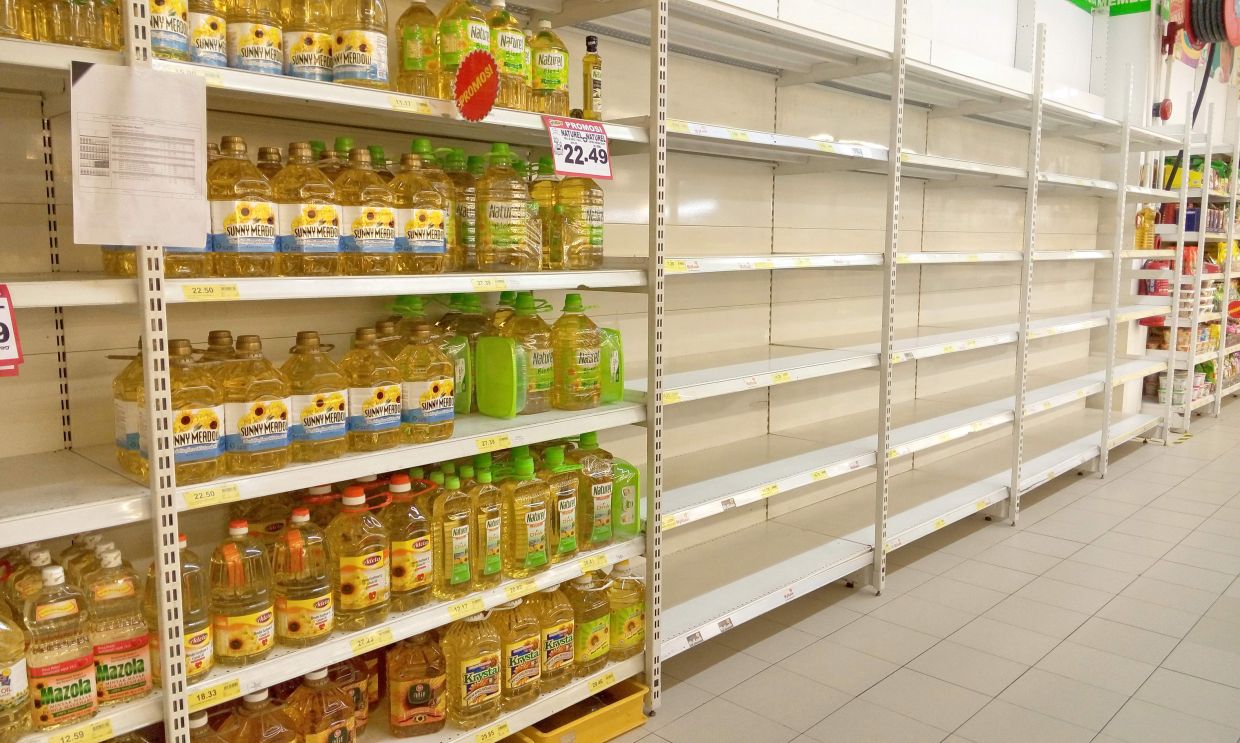
A damning report from the Public Accounts Committee has documented the loss of RM10.879 billion in cooking oil subsidies between 2019 and February 2025, a figure that underscores profound institutional weaknesses in how the government monitors, allocates and enforces subsidy distribution across the nation. The findings present a troubling contradiction at the heart of Malaysia's subsidy reform agenda and raise serious questions about ministerial accountability and the effectiveness of current oversight mechanisms.
For years, government officials have championed the shift towards targeted subsidies as a cornerstone of fiscal responsibility. The stated rationale has been clear: by directing assistance to those who genuinely require it, rather than blanket support, the system would become more efficient, cost-effective and resistant to abuse. Yet the PAC's investigation reveals that this supposedly reformed architecture has catastrophically failed to prevent the disappearance of nearly RM11 billion intended for cooking oil assistance. The revelation creates an uncomfortable paradox that demands explanation: if the current system represents an improvement in targeting and efficiency, what circumstances allowed such staggering losses to accumulate undetected?
The implications of this subsidy leakage extend far beyond accounting irregularities. Cooking oil remains a staple commodity with profound social and economic significance across Malaysia. Millions of households depend on subsidised cooking oil to manage food costs, particularly lower-income families for whom this expense represents a meaningful proportion of their weekly budget. When RM10.879 billion intended for price support vanishes through the system, the real cost falls on consumers who face inflated market prices, or on vendors and distributors caught between subsidised and actual costs. The human impact of this administrative failure translates directly into kitchen tables across the country, where families must absorb higher food costs because subsidy money never reached its destination.
The investigation raises uncomfortable questions about the chain of custody governing subsidy funds. Whether losses occurred through administrative incompetence, enforcement gaps, market manipulation, or deliberate diversion requires urgent clarification. The gap between allocated and actually distributed funds suggests that somewhere within the government's distribution network—whether at the point of allocation, verification, storage, or retail—mechanisms have failed to track and account for these resources. The scale of leakage indicates this is not a minor clerical error but rather systemic dysfunction affecting multiple points in the supply chain.
Market monitoring represents another critical failure area illuminated by these findings. An effective subsidy programme requires robust real-time visibility into market conditions, stock levels, pricing compliance and distribution patterns. The emergence of empty shelves despite enormous subsidy expenditure indicates that either monitoring systems do not exist, or where they exist, they are not being acted upon with sufficient urgency. This disconnect suggests that government agencies lack the operational capacity or political will to respond quickly when red flags emerge—a concerning gap that allowed months or years of disruption to continue unaddressed.
Enforcement mechanisms have clearly proven inadequate to the task. Cooking oil trading involves multiple intermediaries: importers, distributors, wholesalers and retailers. At each stage, regulations should specify obligations regarding pricing, stock maintenance and supply-chain transparency. Yet the scale of this subsidy loss suggests that enforcement activities either do not cover these actors comprehensively, lack sufficient consequence to deter non-compliance, or are undermanned and unable to conduct adequate market inspections. Whatever the cause, the current enforcement architecture has manifestly failed to protect subsidy integrity.
The question of accountability now becomes unavoidable. Which ministers, agency heads and officials bear responsibility for these losses? The PAC's role is to investigate and report; however, the next stage requires identifying specific individuals whose decisions, oversight failures or negligence contributed to this outcome. Without clear accountability mechanisms, similar failures will likely recur in other subsidy programmes. Malaysians deserve to know not only what went wrong, but who made the decisions that allowed it to happen and whether consequences have been applied.
For Southeast Asia more broadly, this case study carries important lessons. As countries across the region grapple with subsidy reform and fiscal sustainability, Malaysia's experience demonstrates that policy redesign alone—moving from universal to targeted support—provides no guarantee of improved outcomes. The theoretical appeal of targeting cannot substitute for institutional capacity, technological infrastructure, enforcement capability and political commitment. Other nations considering similar reforms should examine whether their government agencies possess the operational maturity to implement such systems effectively.
Moving forward, the government must implement concrete measures to prevent recurrence. These should include real-time digital tracking systems that record subsidy flows from allocation through to final retail point, independent audit mechanisms with statutory authority, enforcement capacity improvements, and supplier audits conducted on a rolling basis. Additionally, transparent monthly reporting of subsidy distribution against targets would create accountability pressure and allow for rapid course correction when divergences emerge.
The cooking oil subsidy scandal illustrates a broader governance challenge facing Malaysia. Substantial policy ambitions often exceed institutional capacity to execute them. Until the government invests in the enabling infrastructure—systems, personnel, and enforcement tools—required to match its subsidy objectives, such disappointing outcomes will continue. Taxpayers deserve better stewardship of their resources, and families dependent on subsidies deserve assurance that government support actually reaches them. The PAC's findings demand not merely explanation but comprehensive remedial action.

