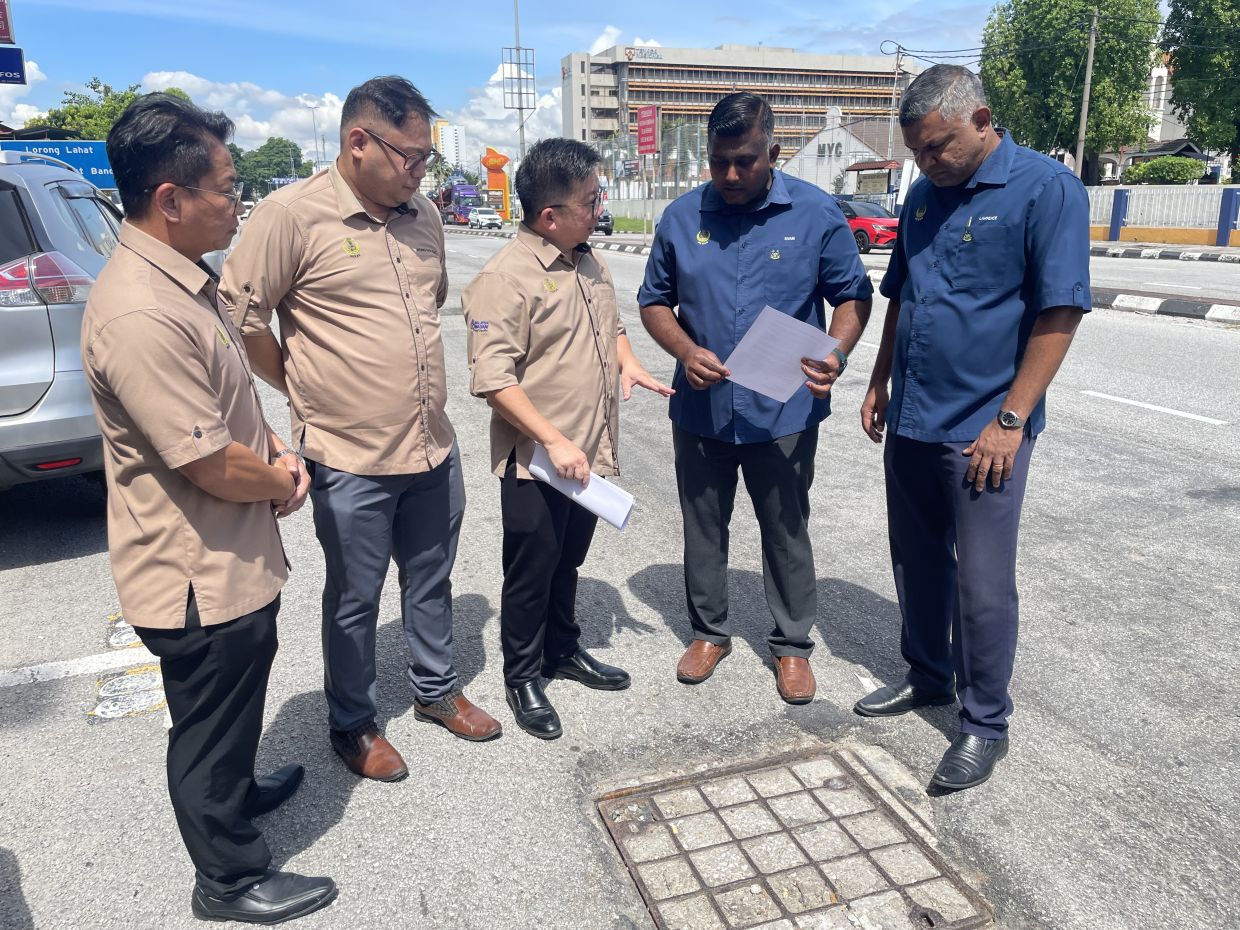
The chronic road damage plaguing Jalan Lahat in Ipoh is finally set to be remedied this July with the launch of a RM2.6 million comprehensive resurfacing initiative. The project, stretching across nearly four kilometres of heavily-travelled asphalt, represents an overdue intervention for a thoroughfare that has become synonymous with potholes and surface deterioration across the state constituencies of Buntong, Tebing Tinggi and Menglembu.
Menglembu assemblyman Chaw Kam Foon unveiled the long-awaited undertaking, financed through the Malaysian Road Records Information System (Marris) framework. The resurfacing will target the most critically affected section of the approximately 10 to 11-kilometre road, running from the Falim traffic lights through to the Jalan Leong Boon Swee junction near Little India. This focus on the worst-affected stretch reflects practical prioritisation, as the full length of Jalan Lahat would require substantially greater investment than the allocated budget permits.
The deteriorating condition of this vital transport corridor has become increasingly difficult to ignore. Monthly statistics paint a troubling picture: approximately twenty vehicles suffered tyre punctures during June alone after encountering potholes along the affected segment. Beyond the financial burden placed on motorists through vehicle damage, the safety implications have prompted mounting public concern, particularly after a viral social media video drew attention to a dangerously large pothole situated on the road's flyover section.
Such grassroots awareness campaigns through digital channels have proven instrumental in catalysing official response. Once the pothole featured in the online post gained traction, authorities moved swiftly to apply temporary repairs. However, Councillor K. Sivam acknowledged that such piecemeal patching measures have repeatedly failed to produce lasting results. The harsh tropical climate, combined with the substantial volume of commercial and private traffic using the route daily, quickly undermines cosmetic repairs. A comprehensive resurfacing approach is now deemed essential to address the underlying structural problems.
The approval of this project culminates a sustained advocacy campaign spanning multiple years. Sivam revealed that stakeholders had requested remedial action consistently since 2024, with approvals coming only after escalated pressure this year. The tender process is currently proceeding, with construction scheduled to commence in July and completion anticipated within approximately three weeks, contingent on weather conditions and contractor efficiency.
Understanding the root causes of Jalan Lahat's degradation proves crucial for preventing recurrence. Beyond heavy traffic loads, utility companies have contributed significantly to the road's structural compromise through excavation works for sewerage pipeline installation. Where restoration following such excavations was executed inadequately, cumulative damage accumulated across multiple repair sites. These instances highlighted regulatory gaps in ensuring utility works met proper reinstatement standards.
The comprehensive resurfacing scope extends beyond merely applying new asphalt. Works will include levelling protruding manhole covers, eliminating surface undulations that exacerbate vehicle vibration and component wear, and repainting lane markings to restore traffic clarity. This methodical approach addresses the interconnected factors contributing to road deterioration.
Moving forward, authorities have strengthened enforcement mechanisms to prevent future utility-inflicted damage. The Corridor Utiliti Darul Ridzuan (KUDR) will assume expanded supervisory responsibilities, monitoring all future excavation works to ensure contractors comply with approved restoration specifications. The regulatory framework now includes substantial financial penalties—companies failing to properly reinstate roads face compounding fines or mandatory repair orders, creating stronger incentives for compliance.
For residents and businesses across the residential areas, schools and commercial zones serviced by Jalan Lahat, the resurfacing project signals genuine commitment to infrastructure maintenance. Daily commuters have endured prolonged substandard conditions; the forthcoming works should substantially improve travel comfort and vehicle longevity. Commercial operators relying on the corridor for logistics operations will benefit from reduced downtime caused by vehicle damage.
The Jalan Lahat intervention carries broader significance for Malaysian road maintenance discourse. It demonstrates how sustained community advocacy, amplified through social media, can overcome bureaucratic inertia and secure resource allocation for essential infrastructure. The project also exemplifies the growing recognition that utility regulation requires strengthening, particularly regarding road restoration accountability.
For Southeast Asian readers observing Malaysian urban infrastructure challenges, the Jalan Lahat situation reflects common tensions between traffic volume growth, climate resilience, and maintenance budgeting across the region. The combination of strategic focus on worst-affected stretches, enhanced utility oversight, and penalty-driven compliance represents practical lessons in resource-constrained infrastructure management.
The success of this July commencement will depend critically on contractor performance and adherence to timelines. Given the road's essential role connecting multiple constituencies and serving diverse stakeholder communities, any delays could further compound the reputational and practical costs of chronic neglect. Ipoh residents will be watching closely as the resurfacing project unfolds.