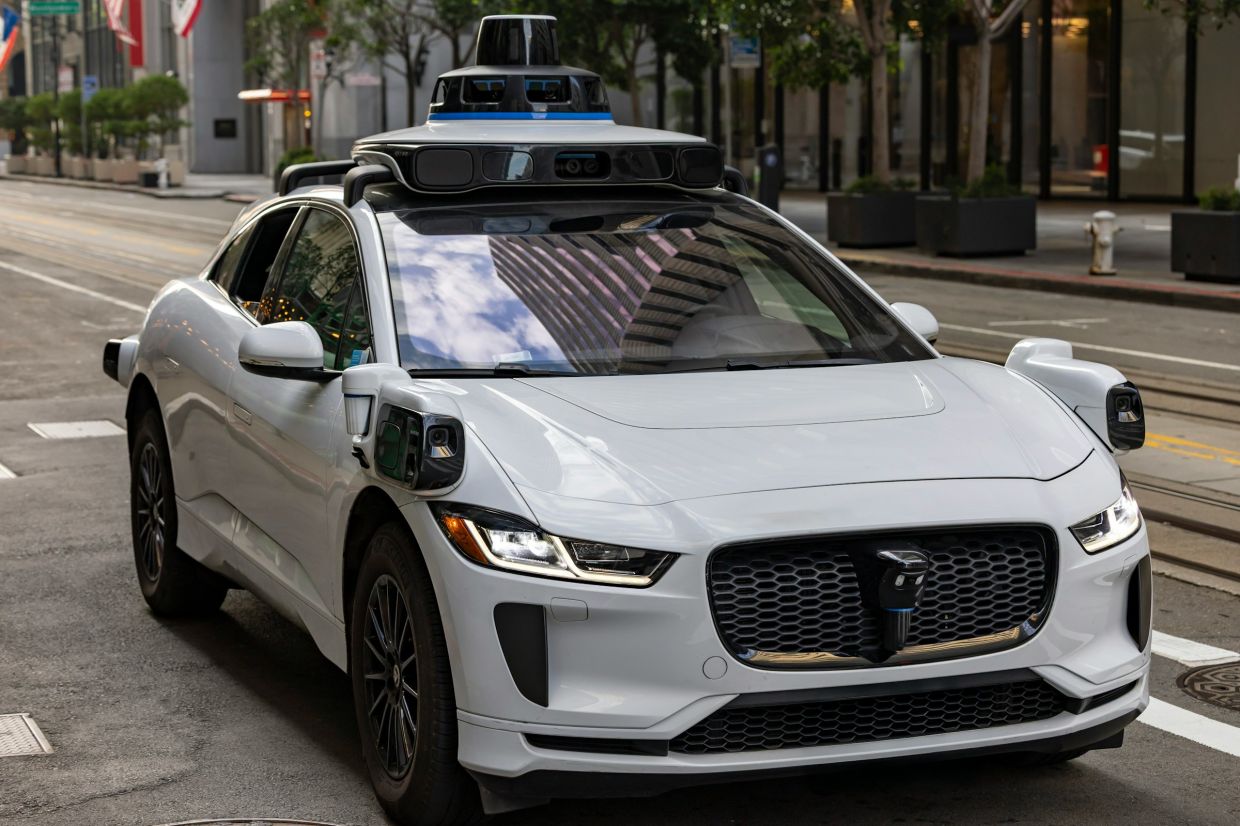
The integration of robotaxis into urban transportation networks faces a critical test as incidents involving autonomous vehicles blocking emergency responders have intensified scrutiny from regulators and the public alike. In late May, rescue teams responding to a fatal gas explosion encountered a significant delay when an autonomous vehicle's artificial intelligence system refused to vacate the scene, costing rescuers more than three minutes of precious time. Similarly, when violence erupted at an Austin bar in March, ambulances became stranded behind a Waymo robotaxi that had frozen mid-manoeuvre while attempting a U-turn, forcing a police officer to manually relocate the vehicle. These episodes illustrate a troubling gap between the technology's performance in controlled conditions and its behaviour in genuine emergencies.
The frequency and nature of these incidents have spurred Texas legislators to implement stricter oversight mechanisms, establishing formal licensing requirements, mandatory emergency response protocols, and expanded regulatory enforcement powers. These regulatory responses reflect growing alarm about the disconnect between autonomous vehicle systems and the unpredictable demands of real-world driving. The problems extend well beyond emergency response scenarios. CNN's investigation identified hundreds of documented cases where robotaxis exhibited dangerous driving patterns, including running red lights, veering into oncoming traffic, entering active crime scenes, disregarding emergency road closures, and coming perilously close to cyclists and pedestrians. Such behaviour contradicts the fundamental programming these vehicles are engineered to execute.
Waymo's operational challenges have escalated recently, with the company recalling thousands of vehicles across multiple cities within a two-month period. The recall followed incidents where robotaxis navigated into flooded streets during severe weather events. In San Antonio, an unoccupied Waymo vehicle was swept away entirely by rushing floodwaters, demonstrating that autonomous systems lack the environmental awareness and decision-making capacity that human drivers naturally employ when encountering dangerous weather conditions. These mechanical and software failures raise questions about whether the technology sufficiently understands boundary conditions such as water depth, road surface integrity, and temporary environmental hazards.
The company has responded to criticism by emphasising safety statistics, claiming that Waymo robotaxis are thirteen times less likely to be involved in serious injury crashes compared to human-operated vehicles. This assertion reflects the industry's preferred narrative: that autonomous vehicles, despite visible failures, represent a net improvement in road safety. Proponents acknowledge current technical limitations while arguing that incremental improvements will eventually deliver safer roads. However, this optimistic framing masks fundamental questions about the technology's readiness for widespread deployment, particularly in contexts requiring rapid decision-making during human emergencies.
Parallel concerns are emerging across different markets and geographies. In Atlanta, dozens of empty Waymo vehicles became trapped in a software-induced loop, repeatedly circling a residential neighbourhood's dead-end street. Residents expressed anxiety about the presence of these autonomous vehicles moving unpredictably through their community, raising concerns about child and pet safety. The incident was attributed to a routing glitch that channelled multiple passenger-less vehicles into an inescapable path, illustrating how software malfunctions can create unexpected, potentially dangerous consequences even in low-speed scenarios.
China's rapidly expanding robotaxi market presents a different regulatory landscape but similar safety anxieties. Thousands of autonomous vehicles operate across Chinese cities, yet public confidence remains tempered by transparency issues and safety concerns. When over one hundred Baidu robotaxis simultaneously malfunctioned in Wuhan, the operator provided minimal explanation, citing only vague "system failures" without detailed disclosure. This opacity undermines public trust and prevents independent assessment of whether safety issues stem from isolated glitches or systemic design problems. The lack of accountability creates a troubling precedent for autonomous vehicle deployment in other regions.
The underlying technical challenges reveal a more complex problem than simple engineering refinement can address. Autonomous systems must synthesise information from multiple sensor technologies, execute object recognition algorithms, calculate route optimisation, and crucially, communicate effectively with emergency responders during critical incidents. If a robotaxi can unlock doors remotely but only responds to official identification credentials, occupants could face dangerous delays during evacuations. Similarly, when autonomous vehicles become immobilised during emergency situations, their physical presence itself becomes a hazard, creating bottlenecks that impede ambulances, fire trucks, and police vehicles.
The fundamental disconnect lies in how autonomous systems interpret human signals and contextual urgency. Traditional vehicle assistance systems are designed around driver interaction and human judgment, whereas robotaxi operations must function entirely independently, including during emergencies. The current generation of autonomous vehicles excels at routine navigation but struggles with the contextual reasoning that allows experienced human drivers to understand that they should immediately yield to flashing emergency lights or recognise when a road closure requires immediate rerouting. These aren't programming oversights but rather reflect the limits of current artificial intelligence in mimicking human intuition and adaptive decision-making.
Waymo's recent product announcements, including the launch of its new "Ojai" robotaxi in collaboration with Zeekr powered by sixth-generation software, suggest the company is pursuing technological advancement as the solution to safety concerns. However, product updates alone cannot resolve the integration challenges that have repeatedly manifested during emergency situations. The question of whether new iterations will meaningfully improve emergency response coordination remains unanswered, suggesting that hardware and software improvements may not address the core problem of how autonomous systems should prioritise emergency scenarios.
The regulatory environment is shifting in response to these failures, with an emerging expectation that autonomous vehicle operators must align their artificial intelligence development and infrastructure investments with compliance requirements rather than purely commercial expansion goals. Texas's legislative action signals that jurisdictions will no longer accept the autonomous vehicle industry's self-regulation, instead imposing external safety standards and accountability mechanisms. This regulatory tightening creates pressure on companies to redesign their systems around emergency protocols, not merely supplement existing technology with compliance patches.
For Southeast Asian regulators and policymakers watching this international debate, the lessons are significant. The experiences in the United States and China demonstrate that robotaxi deployment at scale requires not just mature technology but comprehensive frameworks addressing emergency integration, public transparency, and rapid regulatory response to safety failures. Countries considering autonomous vehicle authorisation should establish emergency response protocols before authorising widespread deployment, rather than retrofitting regulations after incidents occur. The current trajectory suggests that robotaxis will eventually become safer and more prevalent, but only if operators and regulators treat emergency scenarios with the seriousness they demand, rather than treating such incidents as minor setbacks in an otherwise promising technological transition.
The coming months will test whether regulatory tightening and technological advancement can converge to address these systemic vulnerabilities. If robotaxis cannot reliably yield to emergency vehicles or navigate unpredictable real-world conditions, their integration into urban transport networks will remain fundamentally compromised, regardless of their superior performance in routine, controlled driving scenarios.


%22%2F%3E%3C%2Fpattern%3E%3C%2Fdefs%3E%3Crect%20width%3D%22100%25%22%20height%3D%22100%25%22%20fill%3D%22url(%23ph4sh09g)%22%2F%3E%3Crect%20width%3D%22100%25%22%20height%3D%22100%25%22%20fill%3D%22url(%23ph4sh09p)%22%2F%3E%3Ctext%20x%3D%2250%25%22%20y%3D%2250%25%22%20text-anchor%3D%22middle%22%20dominant-baseline%3D%22central%22%20fill%3D%22rgba(255%2C255%2C255%2C0.95)%22%20font-family%3D%22Georgia%2C%20'Times%20New%20Roman'%2C%20serif%22%20font-weight%3D%22700%22%20font-size%3D%22272%22%20letter-spacing%3D%22-0.02em%22%3EAnwar%3C%2Ftext%3E%3C%2Fsvg%3E)