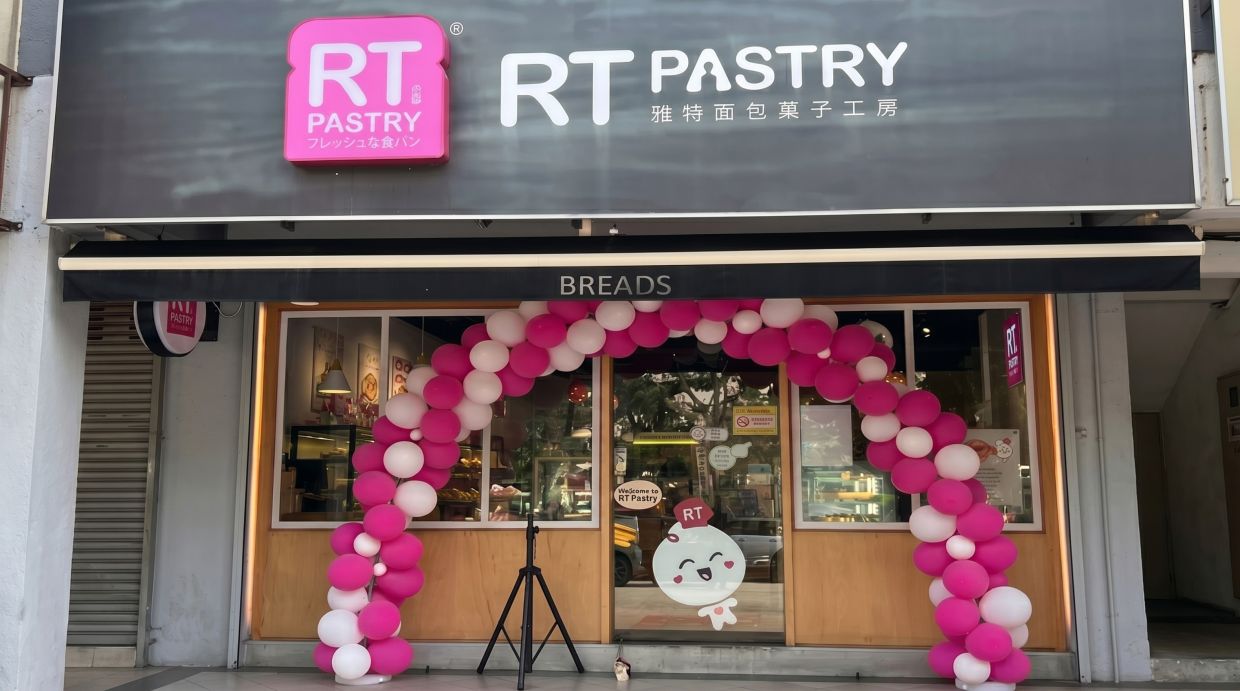
RT Pastry Holdings Bhd has successfully obtained halal certification from Malaysia's Department of Islamic Development, marking a significant milestone for the bakery manufacturer's operations in the region's largest halal-certified market. The certification, awarded on July 1 for its primary production facility known as Plant 1 located in Taman Bukit Serdang, Seri Kembangan, remains valid through June 30, 2028, and encompasses the company's entire range of baked goods including cakes, Swiss rolls, pastries, cookies and desserts.
The achievement represents an important validation of RT Pastry's manufacturing standards and operational practices, which have been evaluated against the stringent requirements of Malaysian Halal Standard MS1500:2019. This benchmark framework establishes comprehensive guidelines covering ingredient sourcing, production methodologies, material handling protocols and sanitary practices designed to ensure full compliance with Islamic dietary principles. The standard functions as Malaysia's cornerstone reference for halal food production and carries significant weight across ASEAN markets that increasingly recognise Malaysian halal certification as a trusted credential.
For a bakery company serving Malaysia's diverse consumer base, halal certification represents far more than a compliance checkbox. The credential serves as a gateway to mainstream retail channels, modern supermarket chains and institutional buyers who either mandate or strongly prefer halal-certified suppliers. Many Malaysian consumers, regardless of religious affiliation, view halal certification as a marker of quality assurance and manufacturing rigour. The psychological confidence associated with JAKIM endorsement translates into competitive advantage in a marketplace where consumer trust directly influences purchasing decisions.
RT Pastry's expansion of certified facilities reflects the company's strategic approach to scaling production capacity while maintaining regulatory compliance across its operations. The firm already operates a secondary manufacturing site, Plant 2 in Glelmarie, which obtained separate JAKIM halal certification during 2023. This dual-facility certification architecture allows the company to manage production volumes flexibly, distribute operational risk and position itself for market expansion without concentrating manufacturing dependencies in a single location. The staggered certification timeline also demonstrates management's methodical approach to quality assurance rather than rushing multiple facilities through the certification process simultaneously.
The broader Malaysian halal food sector has evolved dramatically over the past decade, transitioning from a niche religious requirement to a mainstream market standard that influences international trade patterns and export opportunities. Malaysia itself has established itself as the global centre for halal certification, with JAKIM wielding considerable influence across ASEAN and increasingly in Middle Eastern markets. Companies like RT Pastry that secure and maintain JAKIM certification position themselves advantageously for regional distribution expansion, particularly into Brunei, Indonesia and other neighbouring markets that recognise Malaysian halal standards as trustworthy.
Lu Chun-Neng, serving as the group's executive director and chief executive officer, characterised the certification as reflective of the company's foundational commitment to quality and consumer protection rather than merely satisfying regulatory obligations. His statement underscores a philosophical positioning that frames halal certification as integral to corporate identity rather than a peripheral compliance matter. This framing proves significant for investor relations and employee engagement, as it signals that operational integrity and market ethics represent core business values rather than cost-minimisation strategies.
The certification's seven-year validity window through 2028 provides RT Pastry with a stable planning horizon for product development, market penetration and facility investment decisions. During this period, the company can confidently pursue expansion initiatives without concern regarding certification renewal uncertainties. The extended validity also reflects JAKIM's confidence in RT Pastry's systems and ongoing compliance capabilities, a positive signal for retailers and institutional customers evaluating supplier reliability.
RT Pastry's certification achievement arrives amid intensifying competition within Malaysia's bakery sector, where domestic manufacturers compete against imported products and international brands. Halal certification functions as a competitive moat that import-dependent competitors struggle to replicate, particularly those operating from jurisdictions lacking established halal certification frameworks. For a company primarily serving the Malaysian and regional markets, JAKIM endorsement creates tangible differentiation that extends beyond product quality into the realm of cultural alignment and regulatory credibility.
The company's stated commitment to expanding product offerings while maintaining manufacturing standards suggests anticipated portfolio growth across its existing certified capacity. RT Pastry appears to be positioning itself not merely as a bakery manufacturer but as an integrated food producer capable of scaling across multiple product categories while maintaining single-standard halal compliance. This approach maximises the value of existing certification infrastructure by leveraging it across broader product ranges rather than limiting halal endorsement to narrow categories.
For Malaysian consumers and business partners evaluating bakery suppliers, RT Pastry's dual-facility halal certification creates visibility and assurance regarding supply chain reliability. The company's ability to maintain consistent manufacturing standards across geographically separated facilities suggests professional operational management and sophisticated quality control protocols. These credentials matter increasingly as Malaysian retailers and foodservice operators face pressure to verify supply chain integrity and demonstrate responsible sourcing to increasingly discerning consumers.
Looking ahead, RT Pastry's certification achievement positions the company strategically within Malaysia's evolving halal food economy, where certification has transitioned from optional differentiation to baseline market expectation. The company's methodical approach to facility certification, combined with management's philosophical commitment to quality and consumer confidence, suggests a business focused on sustainable market positioning rather than short-term profit maximisation. As Malaysia continues strengthening its position as the world's halal certification hub, companies like RT Pastry that maintain robust compliance frameworks enhance their strategic value for potential investors, partners and customers seeking reliable supply chain partners.

