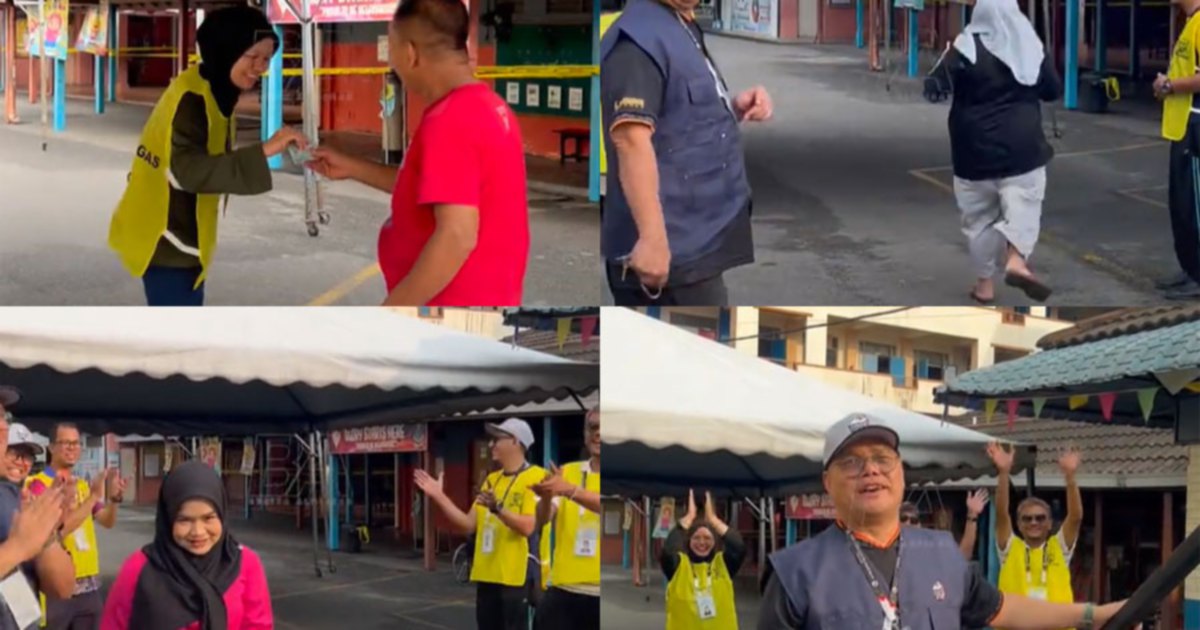
A video that has circulated widely across social media platforms offers an unvarnished glimpse into the intensity that characterised the closing moments of Negri Sembilan's recent state election, with footage documenting voters making last-minute dashes to polling centres as the 6pm cutoff loomed. The clip has resonated with the online audience, generating considerable engagement and sparking conversations about civic participation and the urgency many Malaysians feel about their electoral responsibilities.
The footage encapsulates a phenomenon familiar to observers of Malaysian elections: the concentration of voters who arrive in the final hours before ballot stations shut their doors. In Negri Sembilan, this pattern played out dramatically on camera, with individuals hurrying across polling venues and joining queues mere minutes before the deadline. The viral nature of the content suggests it touched a nerve with viewers, perhaps reflecting broader societal attitudes towards voting and democratic participation in the country.
Election officials across Malaysia have long acknowledged that managing the flow of late arrivals presents logistical challenges. The 6pm closure time, standardised across most state and federal elections, creates predictable surges in foot traffic towards the end of the day. In Negri Sembilan's recent poll, this pattern apparently crystallised into moments dramatic enough to capture public imagination when shared online. The spectacle of voters racing against time has become almost emblematic of Malaysian electoral culture, signifying both enthusiasm and last-minute decision-making.
From an administrative perspective, the rush documented in the video underscores perennial discussions about voting hours and accessibility. Election observers and officials frequently debate whether extending polling periods might reduce congestion and accommodate working Malaysians more effectively. The Negri Sembilan footage provides anecdotal evidence of why such proposals surface repeatedly in electoral policy discussions. Whether such changes might increase overall turnout or merely redistribute when people vote remains contested among analysts.
The viral reach of this particular video also reflects the role of social media in amplifying election-related content. In Malaysia's connected society, moments from polling day frequently gain traction online, sometimes becoming focal points for broader political commentary or discussions about voter engagement. The Negri Sembilan clip falls into this category—a seemingly simple documentation of voters queuing has transformed into a talking point across digital platforms, generating shares, comments, and reactions that extend its influence far beyond those who witnessed events firsthand.
For political analysts, such videos offer insights into voter behaviour patterns. The apparent determination of people to vote despite time constraints might suggest strong electoral engagement within particular constituencies or demographic groups. Alternatively, it could reflect simple logistics—people finishing work or other commitments at standard hours and proceeding directly to polling stations. Both interpretations carry implications for understanding how Malaysians approach their voting responsibilities and how electoral systems might evolve to serve them better.
The incident also highlights ongoing challenges in voter education and information dissemination. If substantial numbers of people arrive at polls in the final moments before closure, it raises questions about whether messaging regarding polling times and locations has reached all eligible voters effectively. Election commissions typically conduct extensive public awareness campaigns, yet footage like the Negri Sembilan clip suggests some citizens remain uncertain or late in their movements regardless of such initiatives.
Negri Sembilan's state election itself warranted attention as a significant political event in Malaysia's ongoing electoral calendar. State-level polls often serve as barometers for national sentiment and provide opportunities for voters to express preferences distinct from federal elections. The level of participation captured in the viral footage, even in its frantic final moments, testifies to the continued engagement many Malaysians maintain with their democratic processes at all governmental levels.
The video's circulation also reflects evolving documentation practices in Malaysian elections. Voters and observers increasingly record polling day experiences, creating archives of electoral moments that circulate rapidly online. This democratisation of election reporting—where citizens rather than solely official photographers and journalists document proceedings—has reshaped how electoral narratives develop and what aspects of voting procedures receive public attention. The Negri Sembilan clip exemplifies how spontaneous documentation can achieve significant reach.
Looking forward, such incidents may inform how electoral authorities approach timing and logistical planning. If data consistently shows concentrated arrivals in closing hours, this information becomes valuable for resource allocation, queue management, and potential policy adjustments. The viral video thus transcends mere entertainment value, potentially contributing to conversations about optimising Malaysia's electoral infrastructure and processes for maximum accessibility and efficiency.
Ultimately, the Negri Sembilan video captures something recognisably Malaysian—the organised chaos of election day, where institutional procedures meet popular enthusiasm and individual determination. Whether viewed as evidence of vibrant democratic participation or as a symptom of systemic inefficiencies, the clip has succeeded in drawing attention to the mechanisms through which Malaysians exercise political voice, prompting reflection on how voting systems might continue evolving.

