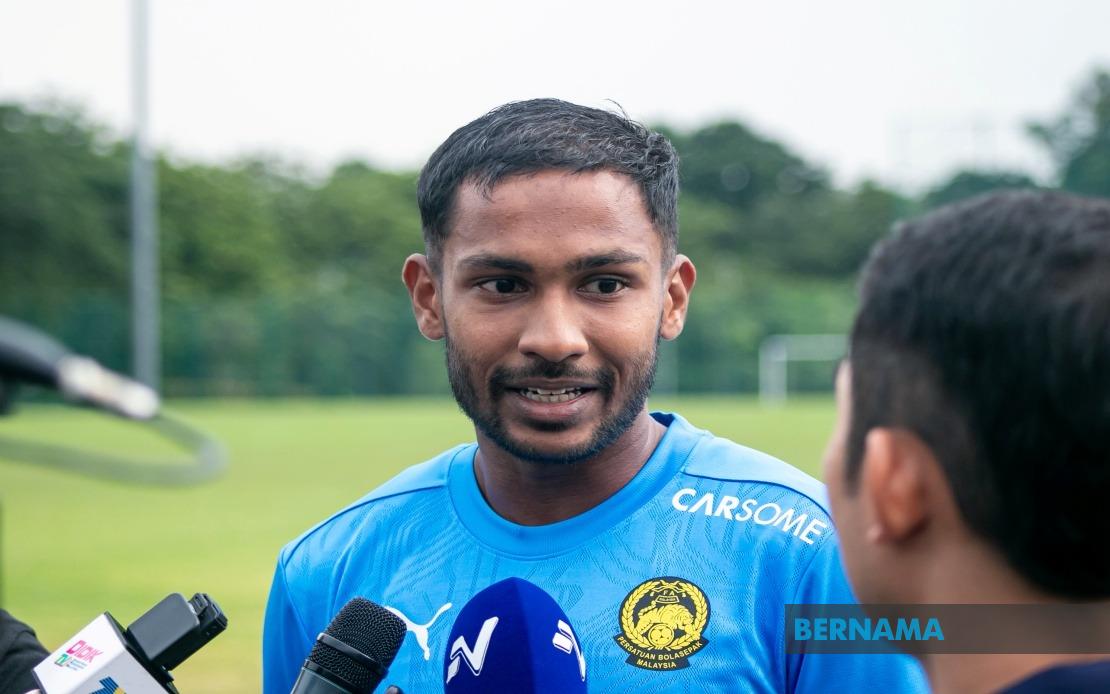
National defender V. Ruventhiran has made an impassioned call for Malaysian football supporters to rally behind Harimau Malaya during the forthcoming 2026 Hyundai ASEAN Cup, stressing that representing the country transcends any other consideration. Speaking during the national team's centralised training sessions in Shah Alam, Ruventhiran emphasised that the tournament represents an opportunity for collective national pride, urging fans to set aside distractions and unite in support of the squad's continental ambitions.
The recruitment of fan backing carries particular significance for Harimau Malaya given the tournament's structure. Malaysia's Group B campaign begins with a challenging away encounter against Myanmar at Thuwunna Stadium on July 25, a fixture that immediately places the side in difficult circumstances. However, Ruventhiran remains optimistic that Malaysian supporters will provide substantial backing during the team's home fixtures, recognising that home advantage represents a tangible competitive asset in tournament football.
The importance of crowd support in modern football cannot be overstated, particularly in regional competitions where psychological momentum frequently determines outcomes. Ruventhiran's appeal for the return of the "12th man" reflects the understanding that domestic stadium atmospheres influence player performance, referee decision-making, and opponent morale simultaneously. This multi-layered impact makes supporter engagement a strategic rather than merely emotional consideration in tournament preparation.
Following the initial Myanmar fixture, Harimau Malaya faces Laos at the Kuala Lumpur Football Stadium in Cheras on July 28, before travelling to Bangkok for a Thailand encounter at Rajamangala Stadium on August 1. The campaign concludes with a Philippines meeting in Cheras on August 8, giving the squad two home matches where ground advantage becomes measurable. This schedule structure underscores why Ruventhiran's appeal for enhanced attendance carries tactical relevance alongside patriotic messaging.
Meanwhile, Penang FC midfielder Aliff Haiqal Lokman Hakim Lau has characterised his national team selection as a transformative moment following an injury-plagued previous season. The midfielder expressed profound gratitude for his call-up, recognising that representation at international level remains among football's most coveted achievements regardless of professional circumstances. For Aliff Haiqal, the tournament represents far more than another competition; it symbolises the possibility of demonstrating renewed fitness and match readiness to both national team management and his domestic club.
The preceding season presented significant adversity for Aliff Haiqal, with recurring injury concerns constraining his availability and limiting his capacity to influence matches for Penang FC. These setbacks invariably create doubt regarding a player's durability and technical status, doubts that linger even after apparent recovery. By competing in the ASEAN Cup, Aliff Haiqal gains the opportunity to provide tangible evidence of complete rehabilitation, silencing concerns among coaching staff and supporters alike regarding his long-term availability and performance reliability.
Aliff Haiqal's perspective on this selection as opening "a new page" reveals the psychological importance players attach to fresh opportunities following adversity. Whether at club or international level, footballer careers frequently encounter phases where injuries or inconsistent form threaten progression. Tournament selection acts as a reset button, providing concentrated opportunity to establish new positive narratives. For Aliff Haiqal, the ASEAN Cup represents the culmination of rehabilitation efforts and the beginning of what he hopes becomes an extended period of consistent international involvement.
The tournament structure itself creates conditions favouring such narrative transformation. The ASEAN Cup's condensed format means multiple matches over short timeframes, allowing players to accumulate meaningful minutes and demonstrate form across varied circumstances. Aliff Haiqal's determination to capitalise on this opportunity reflects professional maturity; rather than viewing tournament selection as unqualified blessing, he recognises it simultaneously as responsibility and proving ground.
Harimau Malaya's overall tournament prospects depend significantly on the collective focus articulated by Ruventhiran and the individual commitment demonstrated by players like Aliff Haiqal. Progression from Group B requires finishing among the top two teams, with advancing sides then facing two-legged semi-final encounters in mid-August before the finals scheduled for August 22 and 26. This extended timeline means early matches carry disproportionate significance; strong performances against Myanmar and Laos establish momentum that becomes difficult for opponents to overturn.
For Malaysian football supporters and analysts, this tournament represents a meaningful test of the national programme's recent development trajectory. Investment in player development, coaching infrastructure, and tactical systems becomes measurable against regional competition. Ruventhiran's appeal for supporter engagement therefore extends beyond sentiment; it represents recognition that national success in competitive football requires sustained institutional commitment, professional excellence, and community investment functioning in concert.
The broader Southeast Asian football context renders the ASEAN Cup particularly significant for Malaysian aspirations. Neighbouring nations including Thailand, Vietnam, and Indonesia have invested substantially in infrastructure and player development, creating increasingly competitive regional environment. Harimau Malaya must therefore demonstrate progressive improvement rather than static performance to maintain regional standing. Ruventhiran's emphasis on unity and Aliff Haiqal's personal commitment exemplify the individual and collective focus required to meet these mounting competitive demands in contemporary regional football.

