Malaysia's two major tourism destinations are moving closer together in a coordinated effort to elevate their combined appeal to both regional and global markets. Sabah's Ministry of Tourism, Culture and Environment has initiated a strategic partnership with Tourism Johor designed to enhance cross-state collaboration and position the nation more competitively within the increasingly crowded Southeast Asian tourism landscape. The partnership represents a deliberate shift towards recognising that Malaysia's tourism strength lies not in isolated destination competition but in collaborative regional positioning that strengthens the entire country's tourism ecosystem.
Datuk Jafry Ariffin, Sabah's Minister of Tourism, Culture and Environment, articulated the forward-looking rationale behind this cooperation in a statement released from Kota Kinabalu on July 13. The initiative serves dual purposes: it addresses immediate market opportunities in domestic tourism whilst simultaneously functioning as a foundational building block for the more ambitious Visit Sabah Year 2027 campaign. By establishing these connections now, both states are essentially creating operational infrastructure that will facilitate seamless promotion and visitor experiences when the designated tourism year arrives, demonstrating strategic foresight in long-term destination marketing planning.
The collaboration extends considerably beyond simple promotional exchanges or marketing agreement signings. Both states have committed to developing joint initiatives that will leverage their respective strengths whilst creating complementary tourism packages that benefit visitors across Malaysia. This approach recognises that many tourists, particularly international visitors, frequently combine multiple destinations during extended trips. By coordinating their offerings, Sabah and Johor can position themselves as interconnected experiences rather than competing alternatives, potentially extending visitor stays and increasing overall spending across both regions.
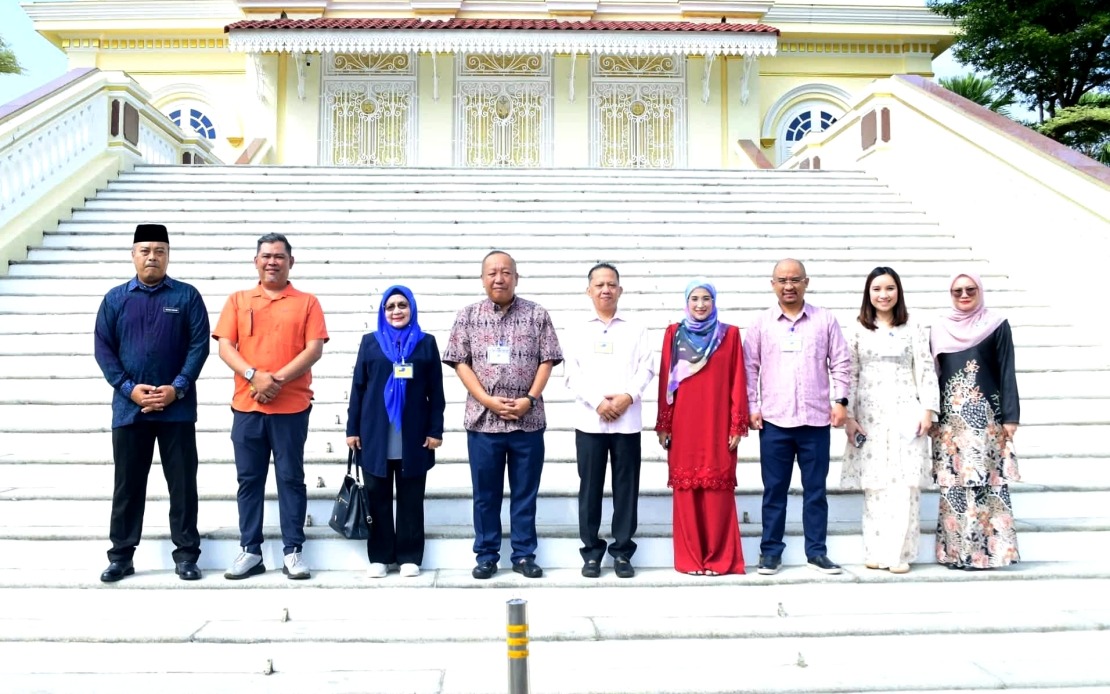
A recent working visit by Sabah officials to Johor provided concrete opportunities to discuss specific collaboration mechanisms. The delegation explored cross-promotion strategies that would allow both states to market each other to their respective visitor bases, discussed the development of new tourism products that could appeal to overlapping market segments, and exchanged insights on destination marketing methodologies. These practical discussions transformed what could have remained abstract commitment into actionable planning with identifiable deliverables and implementation pathways.
Cultural heritage management emerged as a particular focus area during these exchanges. The Sabah delegation toured the Muzium Diraja Abu Bakar located within Istana Besar Johor, gaining direct exposure to how Johor preserves and presents its royal heritage to visitors. This institutional learning experience underscores a fundamental recognition that successful modern tourism increasingly depends on authentic cultural storytelling and professional heritage interpretation rather than merely providing scenic attractions. By observing Johor's museum management practices and conservation approaches, Sabah's tourism leadership gained transferable knowledge applicable to their own heritage institutions and cultural preservation efforts.
For Sabah specifically, cultural tourism represents one of several economic pillars the state intends to emphasise in attracting international visitors. The state possesses substantial indigenous heritage, colonial-era historical sites, and contemporary cultural expressions that collectively offer compelling narratives to discerning visitors seeking meaningful cross-cultural experiences. However, successfully monetising cultural tourism requires more than simply opening heritage sites to visitors; it demands professional curation, educational programming, preservation expertise, and marketing acumen that positions cultural attractions within broader visitor itineraries. Johor's demonstrated competence in these areas provides valuable benchmarking and potential partnership models for Sabah's cultural tourism development.
The timing of this strategic partnership carries particular significance within Malaysia's broader tourism recovery and growth trajectory. The Southeast Asian region faces intensifying competition as Vietnam, Thailand, Indonesia, and the Philippines aggressively market themselves to international tourists. Malaysia, whilst historically strong in Southeast Asian tourism rankings, cannot afford complacency. State-level cooperation represents an underutilised competitive advantage, allowing Malaysia to present itself as a unified, well-coordinated destination rather than a collection of disconnected regional offerings. When visitors experience seamless connections between Sabah and Johor, coordinated transportation options, integrated cultural programming, and mutually reinforcing marketing messages, they perceive Malaysia as professionally organised and visitor-centric.
The partnership also addresses Indonesia's substantial regional advantage in tourism infrastructure and marketing budgets. By combining Sabah and Johor's resources and promotional reach, both states amplify their visibility within competitive Southeast Asian tourism markets. Joint marketing campaigns can achieve scale efficiencies impossible for either state pursuing independent promotional strategies. This pooled approach enables more sophisticated digital marketing, more compelling international advertising campaigns, and more substantial tourism trade show participation than either state could manage alone.
Domestic tourism considerations feature prominently in the collaboration framework. Malaysian leisure and business travellers increasingly explore domestic alternatives to international destinations, particularly in the post-pandemic travel environment where health and safety concerns sometimes outweigh cost savings from international travel. By promoting complementary experiences within Sabah and Johor, both states can capture additional spending from Malaysian travellers seeking multi-destination domestic holidays. This domestic market expansion provides revenue stability that international tourism alone cannot guarantee, particularly given the volatility of global travel patterns responding to geopolitical events, economic fluctuations, and public health emergencies.
The explicit commitment to sharing best practices between both states' tourism administrations suggests an institutional learning orientation that could yield benefits extending beyond immediate tourism revenue considerations. When government agencies in different states systematically exchange operational knowledge, adopt successful methodologies from peer jurisdictions, and collectively problem-solve around common challenges, they elevate overall governance quality and professional standards across the tourism sector. This institutional strengthening creates enduring competitive advantages that persist regardless of individual campaign successes or periodic market fluctuations.
Looking ahead to Visit Sabah Year 2027, this partnership fundamentally reshapes how that promotional initiative will unfold. Rather than conducting a predominantly intra-Sabah campaign, Visit Sabah Year 2027 will benefit from integrated Johor cooperation, potentially including cross-promotional activities, bundled tourism packages, and coordinated international marketing that positions both states as interconnected destinations within a unified Malaysian tourism brand. This integrated approach aligns with global best practices in destination marketing, where neighbouring regions increasingly recognise that collaborative competition produces superior outcomes for all participating jurisdictions compared to isolated competitive strategies.
The strategic partnership between Sabah and Johor ultimately reflects a mature understanding that Malaysia's tourism competitiveness depends on coordinated excellence across multiple destinations rather than isolated success within individual states. By establishing operational frameworks, sharing institutional knowledge, and committing to joint promotional initiatives, both states are investing in long-term competitive positioning that extends well beyond Visit Sabah Year 2027. This collaboration demonstrates that even within a federal system where tourism development remains fundamentally a state responsibility, strategic interstate coordination can generate economies of scale, institutional learning, and visitor experience improvements that benefit the entire nation's tourism sector and broader economic objectives.

