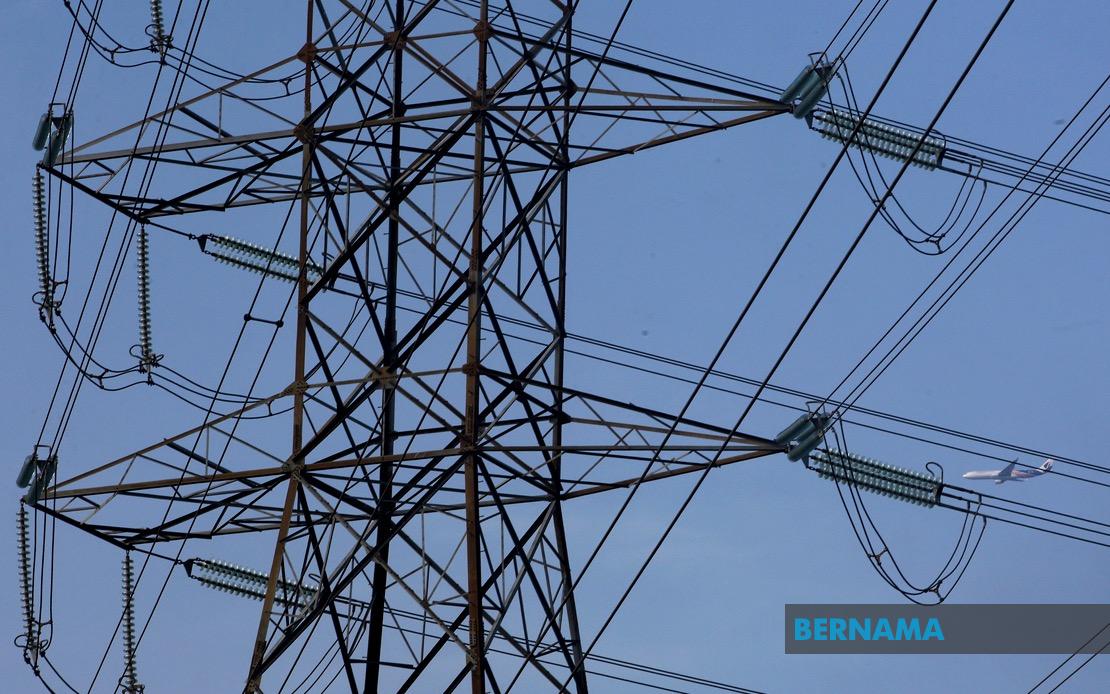
Sabah Electricity announced on June 29 that it would roll out scheduled power rationing across selected areas throughout the state in response to a significant reduction in power generation capacity triggered by an interruption in gas deliveries to several thermal power plants. The utility's decision reflects mounting pressure on the state's electrical infrastructure as available reserves dwindle, forcing operators to implement controlled load management to prevent a cascading failure of the wider network.
The disruption to gas supplies has squeezed Sabah's electricity supply margins to critical levels, diminishing the reserve capacity that power grids typically maintain to absorb unexpected demand spikes or plant failures. When reserve margins contract, grid operators face a precarious balancing act between meeting consumer demand and maintaining frequency stability—the delicate equilibrium that keeps the entire system functioning. By introducing managed rationing now, Sabah Electricity aims to avert an uncontrolled blackout scenario that would be far more damaging to the economy and public services than scheduled, predictable outages.
For Malaysian consumers and businesses in Sabah, the implications of this measure extend beyond mere inconvenience. Manufacturing facilities, hospitals, shopping centres, and residential areas face intermittent supply disruptions at predetermined times, requiring advance planning and operational adjustments. Small and medium enterprises may incur losses if production schedules are disrupted, while households must adapt daily routines around power availability windows. The timing of rationing becomes critical—implementing cuts during late evening or early morning minimises economic disruption compared to peak daytime or evening hours when electricity demand peaks.
Sabah Electricity has characterised the rationing as a temporary intervention, contingent on restoring adequate generation capacity and stabilising the grid system. This framing suggests that resolution depends on two parallel tracks: restoring the interrupted gas supply to power plants and optimising grid operations to minimise consumer impact. The company's statement indicates active engagement with relevant stakeholders—likely including gas producers, pipeline operators, and state authorities—to expedite the return to normal operations. The speed of resolution will determine whether rationing persists for days, weeks, or longer.
The broader context reveals vulnerabilities in Sabah's energy infrastructure that extend beyond this immediate crisis. The state's heavy reliance on gas-fired thermal generation creates a single-point-of-failure risk when supply chains experience disruptions. Unlike interconnected peninsular Malaysia, which benefits from diverse generation sources and inter-grid connections, Sabah operates a more isolated electrical system with limited options for emergency power imports. This structural reality underscores the importance of developing renewable energy sources and diversifying generation capacity to enhance resilience against future supply shocks.
Sabah Electricity has committed to providing regular updates on affected areas through its official Facebook channel and established customer hotline at 15444, attempting to maintain transparent communication and manage public expectations during the rationing period. This approach reflects modern utility practice—leveraging social media for rapid dissemination while preserving traditional customer service channels for individual enquiries. However, the proliferation of unverified information through private messaging, WhatsApp groups, and informal networks remains a challenge, potentially amplifying public anxiety and prompting panic buying of generators or fuel.
The company's explicit warning against spreading unverified information addresses a genuine concern in the digital age, where misinformation can undermine public cooperation and trust. Consumers who receive conflicting information from unofficial sources may become cynical about official announcements or fail to plan adequately around rationing schedules. The utility's appeal for reliance on official channels represents an attempt to establish a single authoritative information source, though enforcement mechanisms remain limited in the decentralised information environment.
From a regional perspective, Sabah's power rationing episode illustrates challenges facing electricity utilities across Southeast Asia as demand growth outpaces infrastructure development. Many nations in the region struggle with ageing generation plants, inadequate transmission networks, and vulnerabilities to supply chain disruptions. Countries developing renewable energy capacity must simultaneously maintain adequate storage or backup thermal generation to manage intermittency. Sabah's situation demonstrates how quickly generation deficits can materialise when conventional fuel supply chains falter, reinforcing the case for strategic fuel reserves and accelerated renewable energy deployment.
The economic implications of power rationing ripple through multiple sectors. Tourism-dependent businesses such as hotels and restaurants face operational challenges, potentially affecting visitor experiences and seasonal bookings. Data centres and technology companies requiring uninterrupted power may relocate operations or maintain expensive backup systems. Construction projects experience delays when equipment cannot operate during rationing windows. Manufacturing competitiveness suffers as production schedules stretch and international customers seek more reliable suppliers in other states or nations.
Looking forward, the resolution of this crisis will likely prompt policy discussions within Sabah's government regarding energy security investments. Policymakers may accelerate renewable energy procurement, establish strategic gas reserves, or pursue inter-connection opportunities with peninsular Malaysia's grid. The immediate burden falls on consumers and businesses to adapt, but the longer-term solution requires systematic investment in infrastructure resilience. The temporary inconvenience of scheduled rationing serves as a reminder that reliable electricity supply cannot be assumed—it demands continuous attention to generation adequacy, fuel security, and grid modernisation to support sustainable economic growth.

