Sabah's leadership is mounting a concerted diplomatic initiative aimed at convincing foreign governments and international missions to recalibrate their travel guidance for the state's eastern regions, according to Chief Minister Datuk Seri Hajiji Noor. The push represents recognition that persistent advisory warnings, regardless of their historical justification, now pose a significant economic impediment to the region's tourism recovery and broader development ambitions.
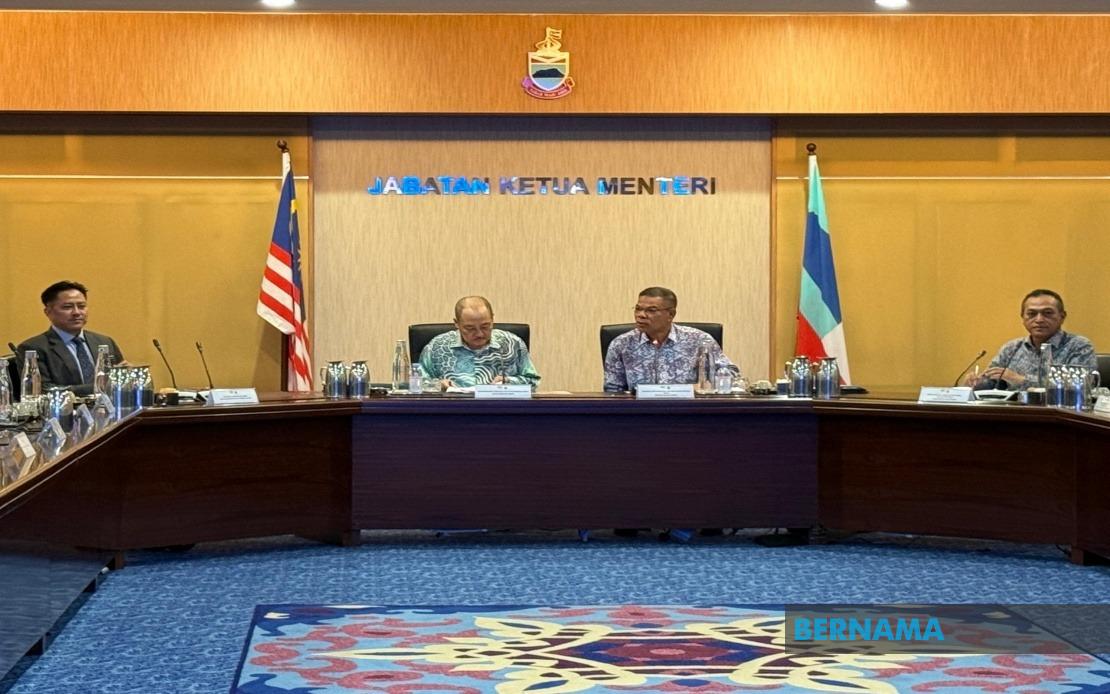
Hajiji articulated the strategic rationale during discussions following a joint security committee meeting, emphasising that substantive communication channels with embassies and high commissions throughout Malaysia must be leveraged to relay the genuine transformation in the security landscape. The diplomatic outreach hinges on demonstrating to foreign capitals that measurable improvements in frontier stability warrant corresponding adjustments to travel guidance that many international tourists and tour operators still regard as prohibitively restrictive.
Central to Sabah's case is an impressive security achievement: the Eastern Sabah Security Zone has recorded zero kidnap-for-ransom incidents since January 2020, a full six-year period marking a dramatic reversal of circumstances that once made the region genuinely precarious for maritime commerce and tourism. This statistical milestone, officials argue, represents not merely absence of criminal activity but rather the cumulative success of intensive security operations, intelligence work, and coordinated enforcement across land and maritime domains. The distinction matters because it signals structural improvement rather than temporary lulls.
The meeting itself, which brought together Sabah's state apparatus with federal Home Ministry representatives including Datuk Seri Saifuddin Nasution Ismail, underscores the alignment between regional and national authorities on this priority. Such coordination signals that Kuala Lumpur recognises Eastern Sabah's security transformation as both genuine and strategically significant, lending weight to any diplomatic representations made to foreign governments. This federal-state synergy on maritime security and border management has become increasingly important as global supply chains and tourism markets demand reassurance from credible governmental sources.
Hajiji's recent tour of six island positions within Sabah waters served a dual purpose: demonstrating personal engagement with operational realities on the ground and gathering firsthand impressions of security readiness that can be incorporated into diplomatic messaging. Such visible leadership engagement with frontier operations carries symbolic weight in diplomatic contexts, signalling serious commitment rather than mere bureaucratic routine. The inspection visits also enabled the Chief Minister to assess infrastructure, personnel welfare, and equipment standards—practical considerations that affect both security effectiveness and the credibility of assurances given to international partners.
The Eastern Sabah Security Command, which has borne primary responsibility for executing the security strategy that produced these results, emerges from the meeting as a validated institution. The participation of ESSCOM Commander Datuk Victor Sanjos and Chief Executive Officer Datuk Dr Jamaluddin Mohd Ali in the high-level joint committee session reflects the operational force's centrality to diplomatic efforts. Their presence reinforces that improved security outcomes reflect genuine operational capability rather than statistical manipulation or temporary deployments.
From a Malaysian regional perspective, the Sabah initiative carries broader implications for Southeast Asian stability narratives. The Sulu-Celebes Seas remain areas where maritime piracy, transnational crime, and security concerns periodically flare internationally. Demonstrating that one historically troubled zone can achieve sustained security improvement through coordinated action provides a constructive counternarrative to persistent perceptions of the region as inherently unstable. For Malaysian tourism and economic diplomacy across Southeast Asia, this matters considerably.
The pressure on foreign travel advisories also reflects a growing frustration with what officials view as outdated risk assessments. Travel guidance from major Western governments often incorporates historical incidents that, while serious when they occurred, no longer reflect current conditions. Once advisory warnings are issued, they tend to persist in official channels and international consciousness longer than actual circumstances warrant, creating what amounts to an asymmetrical information problem where current reality lags perceptions. Diplomacy aimed at reassessment addresses this temporal mismatch.
For Sabah's tourism industry and coastal communities, the stakes are considerable. International visitor numbers to the east coast remain depressed partly because the travel advisories, however outdated, still influence booking decisions by risk-averse tourists and conservative tour operators. Resort developments, diving operations, and cultural tourism initiatives remain constrained by the advisory shadow. Economic recovery in these communities thus hinges significantly on whether diplomatic efforts successfully shift international perceptions and official guidance.
The comprehensive security framework appears durable. Beyond ESSCOM's role, the participation of the Royal Malaysia Police, Malaysian Armed Forces, and the Malaysian Maritime Enforcement Agency demonstrates that security depends on integrated operations spanning multiple agencies with distinct mandates. This institutional diversity, when coordinated effectively, creates resilience that single-agency approaches cannot match. The commitment to upgrading security assets and enhancing operational preparedness signals that Sabah's authorities view the current improvements not as endpoints but as platforms requiring continuous reinforcement.
Personnel welfare provisions, which Hajiji highlighted as a government priority, carry both humanitarian and strategic dimensions. Security personnel stationed in frontier zones require adequate facilities, medical support, and family considerations to sustain morale and retention. Neglecting these factors would inevitably erode the quality of the security apparatus, regardless of equipment investments. The emphasis on personnel care therefore reflects practical understanding that human factors ultimately determine security outcomes.
The diplomatic initiative will likely unfold gradually across multiple channels. Formal representations to friendly governments, engagement through Malaysia's diplomatic corps in various capitals, and possibly participation in regional security forums all constitute potential avenues for communicating the Sabah security narrative. International media engagement could also play a supporting role, highlighting legitimate improvements for consumption by global audiences whose perceptions influence travel decisions.
Looking forward, sustained achievement will be essential. Maintaining the zero-incident record over coming years, continuing infrastructure and capability enhancements, and demonstrating responsive governance in the region will all strengthen diplomatic cases for advisory reassessment. The initiative represents a recognition that security improvements alone, without accompanying international communication and diplomatic persistence, may prove insufficient to overcome entrenched perceptions. Sabah's diplomatic push thus represents pragmatic acknowledgment that controlling the security narrative matters as much as controlling actual security conditions.

