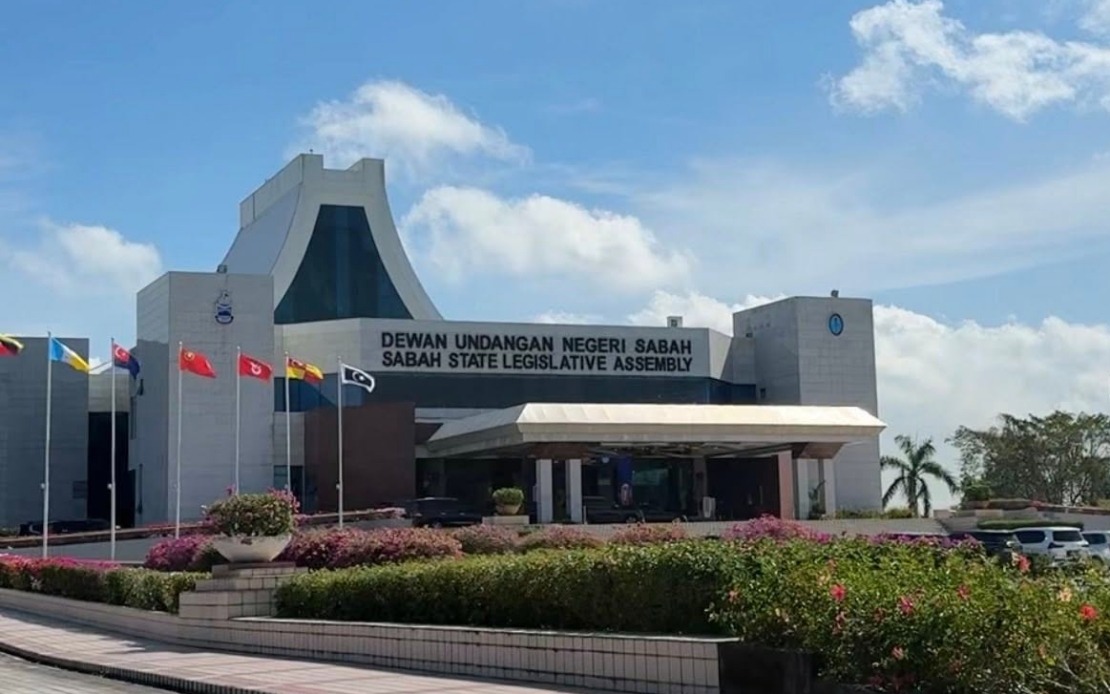
The Sabah State Legislative Assembly has given the green light to a RM1.61 billion supplementary supply bill, marking a significant injection of additional resources into the state's budget framework for 2026. The approval came on July 21 following parliamentary debate among 42 assemblymen, who ultimately endorsed the package through a majority voice vote presided over by Sabah State Legislative Assembly Deputy Speaker Datuk Al Hambra Tun Juhar. The bill had been presented to the chamber the previous day by Deputy Chief Minister II and State Finance Minister Datuk Seri Masidi Manjun, setting the stage for what became a relatively swift legislative process.
The supplementary allocation represents an important policy decision within Sabah's fiscal planning, reflecting government priorities across multiple operational and developmental dimensions. Breaking down the RM1.61 billion package reveals the allocation strategy that lawmakers endorsed. The single largest portion, amounting to RM856 million, flows into statutory fund contributions—essentially mandatory payments and obligations that government must meet under existing legislative frameworks and legal commitments. This category typically includes payments to government institutions, statutory bodies, and established financial obligations that cannot be deferred without legal consequences.
Operating expenditure secured RM278 million from the supplementary allocation, representing the second-largest component. This funding stream supports the day-to-day functioning of government departments and agencies across Sabah, covering expenses such as salaries, utilities, maintenance, and routine administrative costs required to maintain service delivery across the state bureaucracy. Such operational funding is crucial for ensuring that existing government services—from healthcare and education to public administration—continue without disruption.
Development expenditure received RM210 million under the supplementary bill, a substantial commitment reflecting Sabah's investment ambitions. This funding typically supports infrastructure projects, facility upgrades, and long-term investments designed to enhance state capacity and regional development. For a state like Sabah, development expenditure carries particular weight as it shapes future economic opportunities and infrastructure backbone across the diverse geography spanning Peninsular and East Malaysia's eastern reach.
Administrative expenditure accounted for RM162 million of the supplementary supply, covering costs associated with government administration beyond routine operations. This includes expenses for special projects, administrative restructuring, compliance activities, and management initiatives that fall outside the standard operational budget. State grants comprising RM93 million provide flexible funding that the government can direct towards various purposes, including support for statutory bodies, local authorities, or special initiatives aligned with state policy objectives.
The final component comprises RM13 million in special allocations, typically reserved for unforeseen circumstances or specific priority projects that emerge during the fiscal year. This reserve capacity provides government with flexibility to respond to unexpected situations or opportunities without requiring additional legislative processes. The structured breakdown reflects careful planning aimed at balancing immediate operational needs with longer-term development aspirations and mandatory financial obligations.
Sabah's supplementary supply process operates within Malaysia's broader fiscal governance framework, where state governments possess discretion over resource allocation within constitutional and federal-provincial financial arrangements. The bill's passage demonstrates the assembly's confidence in government spending priorities and fiscal management under the current administration. The relatively wide participation from 42 assemblymen in debate indicates the level of engagement across the political spectrum, suggesting thorough legislative scrutiny before approval.
For Malaysian observers, Sabah's supplementary appropriation carries broader implications for understanding East Malaysian governance and fiscal federalism. As one of Malaysia's largest states by geography but with concentrated population centres in Kota Kinabalu and surrounding areas, Sabah faces distinctive development challenges spanning rural infrastructure, economic diversification, and service delivery across challenging terrain. Supplementary allocations like this serve as policy instruments for addressing these regional variations and emerging priorities throughout the fiscal year.
The timing of the supplementary supply approval—mid-year through 2026—suggests that government had identified unforeseen requirements or opportunities requiring additional resources beyond original budget estimates. Such mid-year adjustments are common across Malaysian state administrations, reflecting the evolving nature of fiscal planning and the practical realities of implementing government programmes. The assembly's approval without recorded controversy indicates political consensus around the spending priorities, at least among the majority coalition.
Looking ahead, the assembly session will resume the following day, signalling that lawmakers have additional business to address. Supplementary supply bills typically represent just one component of legislative activity during state assembly sittings. The passage of this allocation provides stability for government operations and signals to investors and stakeholders that Sabah's administration maintains control over fiscal matters and can execute planned expenditure effectively.
The RM1.61 billion supplementary allocation ultimately represents government's response to Sabah's evolving needs mid-way through the fiscal year, balancing mandatory statutory obligations with operational requirements and development aspirations. For the state's residents and business community, the approval enables continued government service delivery and progress on development initiatives that drive economic activity and improve living standards across diverse communities throughout Sabah.

