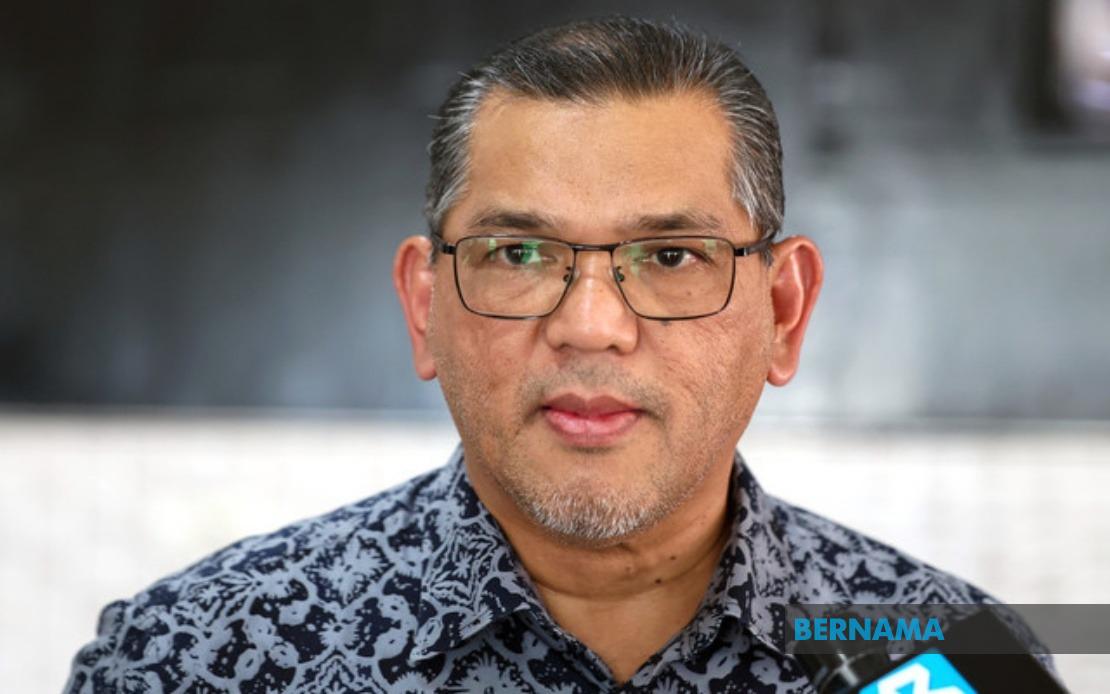
Nearly seven thousand young people across Sabah have tapped into government support to launch or expand their enterprises through a dedicated entrepreneurship scheme that has channelled RM21 million in funding since its inception three years ago. The Sabah Youth Entrepreneur Scheme (SYABAS) represents a significant commitment by the state government to nurture the next generation of business leaders, addressing the critical challenge of youth unemployment and economic participation in Malaysia's easternmost state. Speaking in the State Legislative Assembly, Datuk Nizam Abu Bakar Titingan, the minister responsible for youth affairs, sports development and the creative economy, provided detailed figures showing that 6,951 beneficiaries have accessed the programme, with particularly strong uptake in constituencies such as Nabawan, which alone accounts for 64 recipients.
The programme's reach extends across a remarkably diverse economic landscape, reflecting Sabah's varied development priorities and natural endowments. Recipients have established ventures in traditional sectors such as agriculture and fishing, while others have ventured into contemporary fields including digital entrepreneurship and creative industries. This breadth demonstrates how the scheme has adapted to provide pathways suited to young people with different skill sets, educational backgrounds and geographic locations, from urban centres to rural communities. The territorial spread of beneficiaries across all state constituencies underscores the government's attempt to ensure equitable access to entrepreneurial capital and business development support, rather than concentrating resources in developed urban hubs.
Several recipient success stories illustrate the tangible impact of the scheme at ground level. Amran Jining from Keningau has established a hydroponic vegetable farm, capitalising on growing consumer demand for locally produced fresh produce and reducing import dependence in the state. In Tawau, Erliana Said operates a bakery specialising in bread, cakes and pastries, contributing to the value-added food manufacturing sector that has long been identified as a growth area for Sabah's economy. Sitti Fatimah Janna has entered the cosmetics manufacturing space, tapping into Southeast Asia's booming beauty and personal care market. These examples span primary production, food processing and consumer goods manufacturing, showcasing how young Sabahans are creating businesses at different points in the value chain.
What distinguishes SYABAS from merely providing capital is the structured support ecosystem that accompanies the financial assistance. The scheme incorporates ongoing coaching, performance monitoring and capacity building services designed to improve the survival and scaling prospects of recipient businesses. This holistic approach recognises that access to funding alone frequently fails to ensure entrepreneurial success without accompanying managerial and technical guidance. By maintaining a comprehensive database of all recipients, the implementing ministry can track business progress, identify those facing difficulties, and tailor intervention programmes accordingly. Such systematic follow-up mechanisms are particularly important in developing economies where business failure rates remain high among first-time entrepreneurs.
Strategic partnerships have emerged as a crucial enabler of the scheme's effectiveness. The government has cultivated formal collaborations with public sector agencies, vocational training institutions and private sector enterprises to expand the range and quality of business support services available to young entrepreneurs. These partnerships create pathways for recipients to access specialised training in sectors such as tourism hospitality, agricultural modernisation, industrial manufacturing, construction, logistics, aquaculture, fisheries operations, digital technology and creative industries. By leveraging expertise and resources from multiple stakeholders rather than attempting to provide all support in-house, the scheme achieves greater depth and relevance in preparing young people for competitive market conditions.
The implications of SYABAS extend beyond individual business success to address broader socioeconomic challenges confronting Sabah. Youth unemployment remains a persistent concern across Malaysia, and providing structured pathways into self-employment and business ownership offers an alternative to traditional formal sector job creation. The scheme's focus on young entrepreneurs also contributes to demographic rejuvenation of rural areas, potentially slowing urban migration that has historically concentrated economic activity in coastal cities. By nurturing businesses in agriculture, fisheries and nature-based tourism in the interior regions, the programme supports more geographically balanced development patterns across the state.
Parallel government initiatives are reinforcing the entrepreneurship agenda through complementary strategies. The upcoming Visit Sabah Year 2027 campaign, championed by the tourism and culture ministry, aims to position tourism as a broad-based development platform extending far beyond resort operators and hotel chains. Assistant Minister Dr Andi Md Shamsureezal Mohd Sainal emphasised that the campaign prioritises inclusive economic benefits flowing through tourism value chains encompassing accommodation, transportation, food and beverage provision, handicraft production and community-based tourism experiences. This value chain approach means young entrepreneurs supported by SYABAS can position themselves as suppliers and service providers to incoming tourists, multiplying the income generation potential of the tourism sector.
The tourism campaign framework rests on four foundational pillars spanning culture, adventure, nature and sustainability. This positioning reflects international tourism market trends, where experiential and environmentally conscious travel experiences command premium pricing and attract discerning international visitors. Young Sabah entrepreneurs operating businesses aligned with these pillars—whether operating adventure tourism operations, cultural experience providers, nature lodge establishments or sustainable handicraft producers—position themselves advantageously within the value creation chain. The decision to ground the campaign in sustainability principles also addresses growing international consumer expectations regarding responsible tourism practices.
Government engagement with private sector tourism operators is actively underway to refine the Visit Sabah Year 2027 campaign architecture and ensure practical implementation feasibility. The Sabah Tourism Board is establishing targeted promotional programmes aimed at supporting small and medium enterprises and grassroots community enterprises, recognising that the campaign's success depends on broad participation beyond major commercial operators. Marketing support for local tour packages, expanded market access for smaller operators, and direct incentive schemes represent concrete tools enabling previously marginalised suppliers to participate in tourism value chains. This approach contrasts with tourism development models that concentrate benefits among large integrated operators.
The coordination between youth entrepreneurship schemes and tourism sector development reveals how Malaysian state governments are increasingly adopting integrated policy frameworks. Rather than treating youth employment, entrepreneurship support and tourism development as separate policy domains, Sabah is explicitly linking them through value chain strategies and infrastructure development. Young SYABAS recipients operating tourism-related businesses benefit from promotional support, market access expansion and infrastructure investment funded through the Visit Sabah Year 2027 campaign. Conversely, the campaign's success in attracting visitors and generating employment depends substantially on the availability of quality local suppliers and service providers who have been supported through entrepreneurship schemes.
The RM21 million disbursed through SYABAS since 2022 represents a substantial public investment, yet the true measure of programme effectiveness will emerge through tracking business survival rates, employment generation, income levels achieved by beneficiaries and broader economic multiplier effects within Sabah's communities. Monitoring these outcomes rigorously will inform whether similar schemes adopted in other Malaysian states represent efficient use of public resources for addressing youth unemployment and entrepreneurship gaps. As the state approaches the comprehensive campaign schedule release planned for year-end, integrating entrepreneurship development with tourism sector expansion offers a potentially powerful model for inclusive economic development across Sabah's diverse communities and geographic regions.

