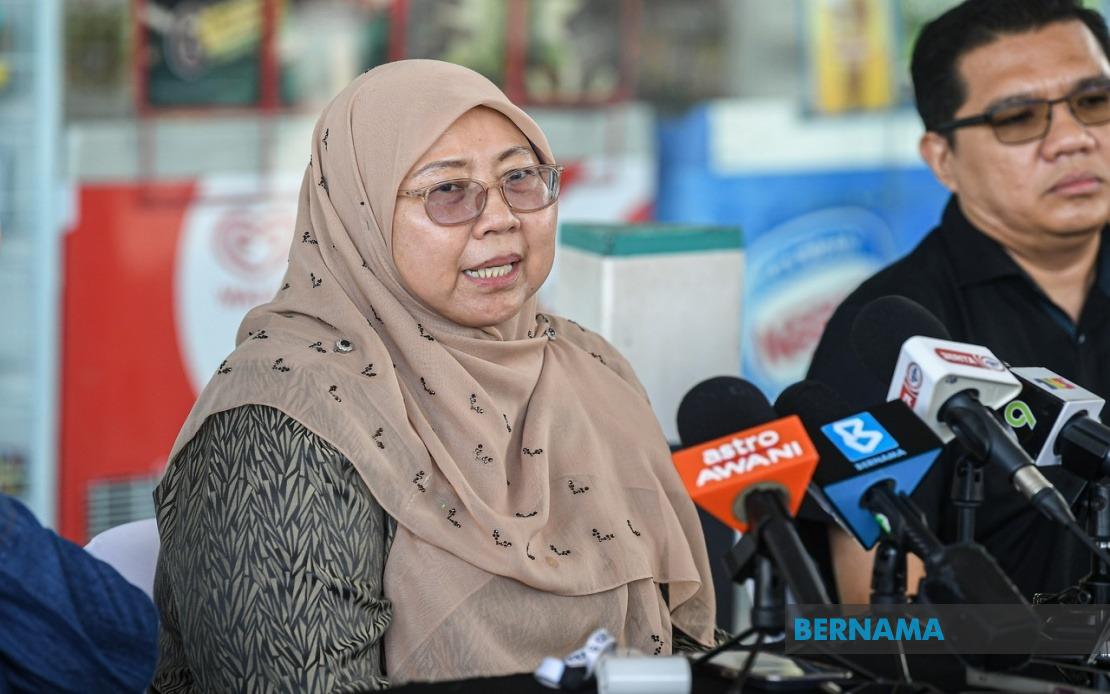
The Pakatan Harapan coalition is pressing ahead with its Johor state election campaign undeterred by scattered acts of vandalism targeting its campaign materials, according to party leadership. PKR secretary-general Datuk Fuziah Salleh made the assertion in Johor Bahru on July 2, characterizing several reported incidents as minor disruptions that have failed to slow the coalition's electoral push in a state where it is fielding candidates across multiple contested seats.
Incidents documented during the campaign period have included the unauthorised removal and destruction of election posters, damage to billboard advertisements, and the burning of party flags in various locations across the state. Despite these occurrences, Fuziah maintained that the overall campaign environment remains stable and that voter engagement continues to strengthen. She told journalists that the ruling coalition's campaign operations in Johor are proceeding calmly, with the underlying momentum of grassroots activities remaining intact. The assessment suggests PH believes these isolated acts of sabotage represent isolated expressions of opposition rather than a coordinated or systematic challenge to its electoral positioning.
Fuziah, who holds the position of Deputy Minister of Domestic Trade and Cost of Living, delivered her remarks during a press conference in Johor Bahru that was primarily convened to discuss adjustments to the Budi MADANI Diesel subsidy programme. The timing of her comments reflected the coalition's desire to frame campaign developments positively while managing expectations about disruptions in the field. Her statement underscores PH's confidence in its electoral strategy despite the hostile acts, suggesting internal party assessments indicate these incidents have not substantially affected candidate visibility or voter outreach.
The intensity of PH's campaign machinery in Johor has been ramped up considerably, with party leadership emphasizing the extensive schedule maintained by its candidates across the state. According to Fuziah, each candidate is conducting up to ten separate campaign activities daily, beginning in early morning hours and continuing until late evening. This packed programme reflects the coalition's determination to maximise direct engagement with voters across the constituencies it contests, suggesting a resource-intensive approach to securing electoral support at the grassroots level.
Feedback gathered from the campaign trail indicates receptive audiences, particularly among younger voters and those casting ballots for the first time, according to Fuziah's account. She described the response from these demographic groups as notably positive and characterised by rising endorsement of PH and the federal government it leads. This generational element carries particular significance in Malaysian electoral politics, where youth mobilisation has become an increasingly important variable in determining electoral outcomes at the state and federal levels. The coalition appears confident that its messaging is resonating with voters seeking change or continuity, depending on campaign framing in different localities.
A separate issue arose regarding campaign pledges issued by PH candidates contesting the Skudai and Perlis state seats, who had publicly articulated specific commitments to their constituencies. When questioned about these announcements, Fuziah drew a distinction between localised candidate commitments and broader party policy platforms. She characterised the candidates' pledges as constituency-specific undertakings rather than components of the official party manifesto, arguing that references to local concerns such as waste management and sanitation fall outside the scope of comprehensive state governance policies.
Fuziah's clarification reflected an effort to manage the narrative around campaign promises and prevent them from being interpreted as binding electoral commitments at the state government level. She explained that a manifesto encompasses major policy frameworks intended for implementation across entire states, whereas individual candidate pledges constitute localised assistance commitments applicable only to specific constituencies. This distinction carries implications for how voters assess the scope of promises being made and what they might reasonably expect from PH legislators if the coalition performs well during the election.
The broader Johor state election is set to proceed with polling scheduled for July 11, with early voting permitted on July 7. A total of 172 candidates are competing across the state's constituencies, representing various political parties and independent candidates. The election represents a significant electoral contest within Malaysia's federal system, as Johor is a substantial state with considerable economic and political weight. The outcome could influence the overall balance of political forces in Malaysia and provide signals about voter sentiment regarding the federal Pakatan Harapan government and the DAP, PKR, and Amanah parties that comprise the coalition.
PH's manifesto for the Johor election was scheduled for announcement the day following Fuziah's comments, suggesting the coalition was maintaining a coordinated timeline for releasing comprehensive policy positions to voters. This sequencing allows the coalition to control the narrative around its platform after addressing immediate campaign management issues. The manifesto announcement represents a pivotal moment in the campaign cycle, as it provides voters with a detailed framework for assessing PH's intended governance approach at the state level and comparing it with competing platforms offered by opposition parties contesting the same constituencies.

