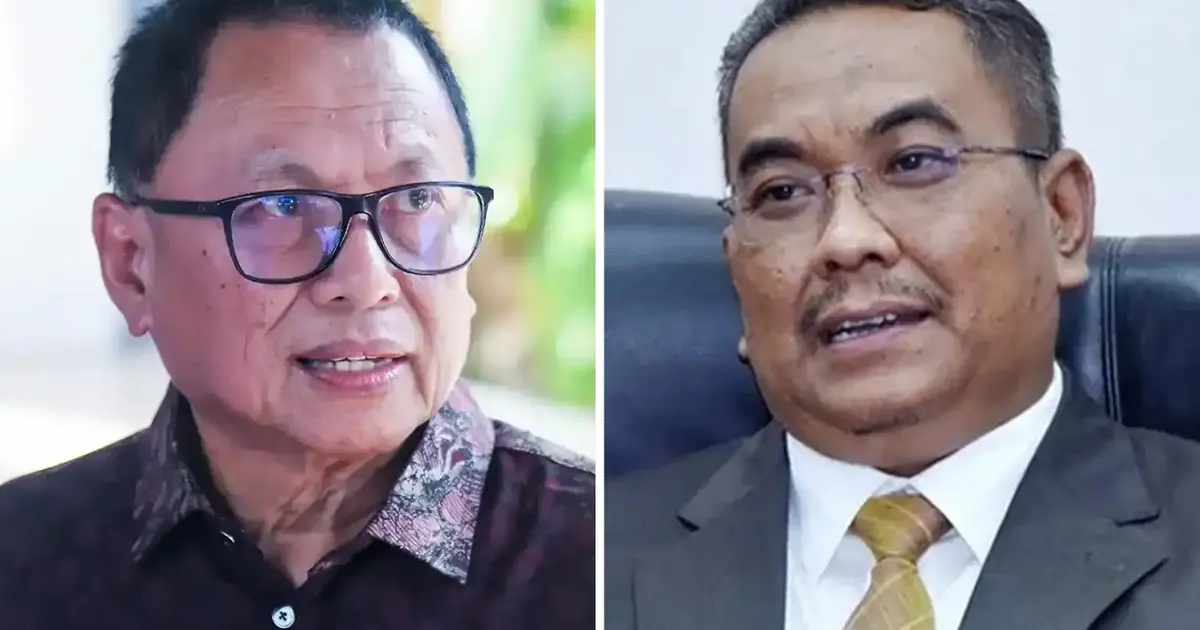
Kedah Mentri Besar Sanusi Nor has characterised the BN-PN alliance as primarily a partnership between PAS and Umno focused on advancing Malay political interests, according to Puad Zarkashi, a former Umno Supreme Council member. This framing effectively repositions the broader Barisan Nasional coalition as secondary to a narrower ethnic and religious political alignment, raising questions about the future role and influence of MCA and MIC within Malaysia's traditionally multi-communal governing structure.
Puad's statement reflects growing debate within Umno's ranks regarding how party leadership has approached negotiations with Perikatan Nasional, the coalition led by PAS. The characterisation suggests that despite formal coalition arrangements encompassing multiple parties, the practical centre of gravity for decision-making has shifted toward the two Malay-Muslim dominant parties. This development carries significant implications for how federal and state-level politics may evolve in the coming years, particularly regarding resource allocation, policy priorities, and ministerial appointments.
The emphasis on Malay unity as the organising principle of the pact reflects a political strategy that privileges communal solidarity over the conventional multiethnic coalition-building that historically characterised Barisan Nasional during its decades of federal governance. By centering the arrangement around PAS and Umno's shared appeal to Malay voters, Sanusi's interpretation potentially diminishes the bargaining position of non-Malay components within the broader alliance, a shift that could reshape electoral dynamics, particularly in states where Chinese and Indian communities represent significant voting blocs.
MCA and MIC, as the primary Chinese and Indian representatives within Barisan Nasional respectively, have traditionally negotiated for cabinet representation, development allocations for their constituencies, and policy influence on issues affecting their communities. If the BN-PN pact operates fundamentally as a PAS-Umno arrangement, these parties may find their institutional leverage reduced. This structural change could complicate efforts to maintain the multiethnic consensus that has characterised Malaysian governance for most of the country's independent history.
Sanusi Nor's political positioning reflects his profile as a leader within PAS who maintains considerable influence over party strategy. As Kedah's chief minister under a PAS-led state government, he embodies the party's transformation from opposition force to governing party, particularly following the 2022 electoral realignment that substantially enlarged PAS's parliamentary representation. His interpretation of the BN-PN pact, as reported by Puad, suggests that senior figures within the Islamic party view the arrangement as fundamentally reshaping Malaysia's political architecture around Malay-Muslim interests rather than maintaining traditional consociational power-sharing arrangements.
The tension between portraying the alliance as a Malay-centric project versus a broad-based governing coalition reflects deeper ideological and strategic differences within the ruling coalition. Umno historically positioned itself as the custodian of Malay interests within a multiethnic alliance, whereas PAS has consistently articulated a more explicitly Islamic and communally-focused political agenda. How these two parties reconcile their respective visions of what the BN-PN arrangement represents will substantially influence the coalition's policy direction and its ability to govern effectively across Malaysia's diverse population.
For voters across Malaysia, this reframing has potential consequences extending beyond elite political negotiations. If the BN-PN pact operates primarily as a PAS-Umno coordination mechanism, policy outcomes may increasingly reflect the priorities and ideological preferences of these two parties rather than requiring compromise and consensus-building with MCA and MIC. This could affect everything from educational policy and religious affairs to economic priorities and the treatment of religious minorities, areas where MCA and MIC have traditionally advocated for perspectives emphasising national unity and secular governance frameworks.
The political economy of the BN-PN arrangement also warrants examination. Coalition partners typically expect resource returns proportional to their electoral contributions and political leverage. If MCA and MIC find themselves peripheralised within a PAS-Umno-dominated pact, their capacity to deliver benefits to supporters diminishes, potentially undermining their electoral viability in coming elections. This dynamic could trigger realignments among non-Malay voters, particularly if these communities perceive their interests as inadequately represented within the governing coalition.
Puad Zarkashi's decision to publicly articulate this assessment suggests deepening unease within Umno regarding how the party's leadership has structured negotiations with PAS and PN components. As someone with longstanding credibility within Umno's institutional hierarchy, his comments likely reflect concerns held by multiple factions within the party about the strategic wisdom of arrangements that appear to elevate PAS's role while constraining traditional coalition partners. This internal dissent indicates ongoing negotiations about the BN-PN pact's precise operational structure and decision-making processes.
Looking forward, the stability and effectiveness of Malaysian governance depends substantially on how the BN-PN coalition manages the tension between its Malay-Muslim core and its commitment to multiethnic representation. If Sanusi's characterisation proves accurate and the arrangement functions primarily as a PAS-Umno partnership, this represents a significant departure from post-independence political practice. Whether this new framework proves durable, and whether alternative coalition arrangements might emerge to challenge it, remains among the most consequential questions for Malaysia's political future and its capacity to govern as a genuinely inclusive nation-state.

