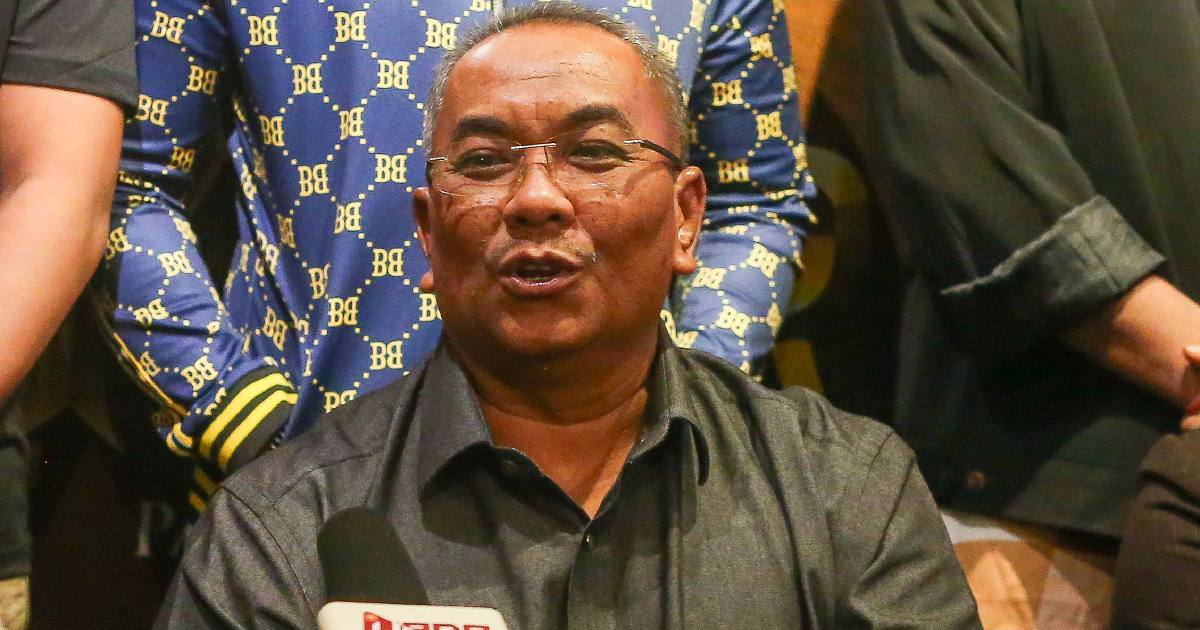
Kedah Menteri Besar Datuk Seri Muhammad Sanusi Md Nor has taken legal action by issuing letters of demand against DAP deputy chairman Nga Kor Ming and two other individuals, alleging they deliberately misrepresented comments he made during a recent ceramah event held in Negri Sembilan. The move marks an escalation in political tensions between the state leadership and the opposition Democratic Action Party, reflecting deeper divisions over the interpretation of public statements made at grassroots political gatherings.
The incident centres on remarks purportedly made by Sanusi at the ceramah, a traditional Malaysian political assembly where leaders address constituents on policy and political matters. According to the Menteri Besar's position, the individuals named in the letters of demand have taken his words out of context and presented a distorted version to the public. Such misrepresentations through informal channels and social media have become increasingly common in Malaysian politics, where selective quoting and reframing of statements can rapidly alter public perception before correction is possible.
Nga Kor Ming's involvement in this matter is significant given his standing as deputy chairman of the DAP, one of Malaysia's major opposition parties. The DAP has historically maintained a strong presence in certain states and federal politics, and Nga's position makes any legal action against him politically loaded. The decision to issue formal letters of demand suggests Sanusi views the alleged distortion as sufficiently serious to warrant legal intervention, rather than relying on public clarifications or media statements alone.
Letters of demand in Malaysian legal practice serve as formal notices prior to potential civil litigation. They typically outline the alleged wrongdoing, quantify any damages sought, and provide recipients with an opportunity to respond and settle the matter outside the courts. In this instance, the LODs appear to hinge on defamation claims, where the core allegation is that false or misleading representations of Sanusi's original statements have damaged his reputation or standing. The threshold for such claims requires proving that the statements were indeed false, malicious, and caused demonstrable harm.
The political context surrounding Negri Sembilan cannot be overlooked. As a state with its own political dynamics and power structures, developments there often have ripple effects across Malaysia's broader political landscape. Sanusi's decision to pursue legal action across state lines suggests he views the alleged misrepresentation as a matter of principle worth escalating beyond mere political counter-narrative, signalling a hardening of positions between his administration and opposition forces.
The three individuals targeted represent a coordinated effort or campaign in Sanusi's assessment. Beyond Nga Kor Ming, the identities and roles of the other two recipients remain part of the unfolding story. Whether they are media figures, social media influencers, party officials, or civil society actors could significantly shape perceptions of whether this action targets organised political opposition or extends into attempts to curb wider public commentary. The choice of targets may reveal Sanusi's strategic priorities and which narratives he deems most damaging to counter.
In the Malaysian political arena, legal letters and litigation threats have become common tools in political disputes. Unlike some democracies, Malaysian political culture frequently intersects defamation law with partisan battles, raising ongoing debates about whether such mechanisms protect legitimate reputations or enable powerful figures to suppress criticism. The issuance of these LODs will likely invite scrutiny regarding the proportionality of the response and whether the remarks genuinely warranted legal action or whether political point-scoring motivated the move.
The DAP, typically portraying itself as a defender of free speech and democratic rights, may view this action through a lens of political persecution. The party's response to the letters will be closely watched, particularly whether it chooses to mount a legal defence, issue counter-statements, or mobilise its supporters around claims of political harassment. Given the adversarial nature of Malaysian coalition politics, this incident could harden factional lines ahead of future electoral contests.
For ordinary Malaysians and observers, the incident underscores a troubling trend where political disagreements increasingly resolve through legal channels rather than debate and discourse. The ceramah system itself, traditionally a platform for unfiltered political speech and connection with voters, becomes fraught when speakers risk legal consequences from opponents who claim misquotation. This dynamic may eventually chill candid political communication and push leaders towards more sanitised, careful messaging that reduces substantive engagement with voters.
The coming weeks will clarify Sanusi's actual grievances as the letters of demand are presumably made public or disclosed in legal proceedings. Whether the alleged distortions constitute genuine defamation or represent normal political give-and-take reframed as legal violations remains to be seen. The response from Nga Kor Ming and the other recipients will similarly indicate whether this matter proceeds toward settlement, retraction, or courtroom confrontation. Whatever the outcome, the episode reinforces Malaysia's evolving political landscape where traditional institutions like the ceramah coexist uneasily with modern legal frameworks weaponised for partisan advantage.

