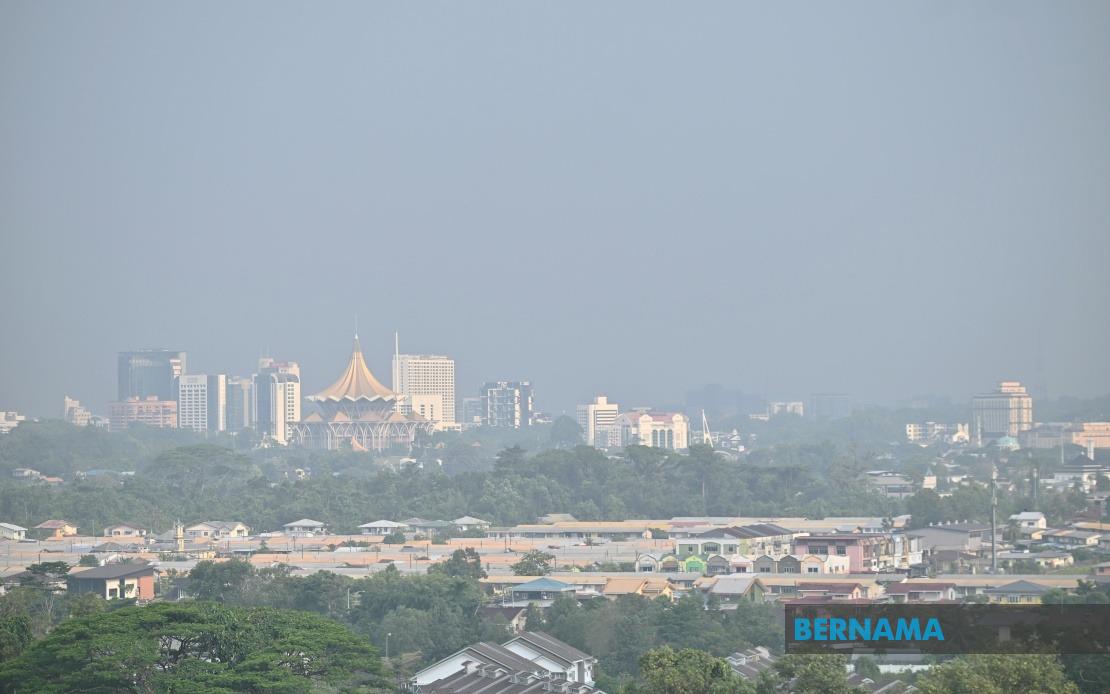
The Malaysian Meteorological Department has extended its warning for sweltering conditions across Sarawak and neighbouring areas of Borneo, with forecasters expecting the heat to persist until August 20. The prolonged spell of hot and relatively dry weather creates a concerning environment for air quality deterioration, particularly across southern portions of the state where visibility may become significantly compromised. This meteorological pattern represents a notable shift from the region's typical weather patterns and poses practical challenges for residents and economic activity across one of Malaysia's largest states.
According to MetMalaysia's latest advisory, the underlying driver of this extended heat wave originates from sustained southerly wind patterns that are directing warm air masses across the Borneo landmass. Simultaneously, the meteorological department has identified persistently elevated numbers of hotspots across the region, a factor that compounds the existing atmospheric conditions and accelerates the accumulation of air pollutants. This combination of natural atmospheric circulation and anthropogenic heat sources creates a compounding effect that intensifies concerns about regional air quality throughout the forecast period.
Real-time monitoring of air quality across Malaysia as of mid-morning on August 14 revealed a worrying trend, with ten distinct locations nationwide registering Air Pollutant Index readings classified as unhealthy according to the Malaysian Air Pollutant Index Management System. The geographic distribution of these unhealthy readings shows a pronounced concentration in Sarawak, underscoring the acute severity of air quality degradation in that region compared to other parts of the country. This disparity reflects both the meteorological conditions specific to Sarawak and the presence of pollution sources within its immediate environment.
The implications of sustained unhealthy air quality extend beyond mere atmospheric inconvenience. For vulnerable population segments—including children, elderly residents, and individuals with pre-existing respiratory conditions—prolonged exposure to degraded air quality poses genuine health risks requiring active monitoring and precautionary measures. Schools, workplaces, and public health authorities throughout Sarawak may need to implement contingency protocols to protect these at-risk groups during the extended period of poor air quality.
Simultaneously, MetMalaysia issued separate severe weather warnings affecting peninsular Malaysia's northwestern region and surrounding territories. A thunderstorm and heavy rainfall alert covered the entirety of Perlis, Kedah, Penang and the Federal Territory of Kuala Lumpur, with the initial warning period extending through the early afternoon of August 14. This alert also encompassed multiple districts within Perak state—including Kerian, Selama, Larut Matang, Manjung and Bagan Datuk—alongside several zones in Selangor such as Sabak Bernam, Kuala Selangor, Klang, Petaling, Gombak and Hulu Selangor.
The contrast between these warnings illuminates the regional heterogeneity of Malaysia's weather systems. While Sarawak faces extended heat and desiccation, the peninsula's northern corridor and central regions confront the opposite extreme—potentially intense precipitation events capable of triggering localized flooding and disrupting transportation networks. This meteorological divergence reflects the complex interplay of monsoon systems and regional atmospheric circulation patterns that characterize Southeast Asia's equatorial and tropical climate zones during this seasonal transition.
For residents and businesses across affected zones, the implications demand heightened vigilance and preparedness. Those in areas experiencing the thunderstorm warnings should remain alert for rapidly deteriorating visibility, flooded roads, and potential disruptions to daily routines. The mountainous terrain in several of the named districts amplifies flood risks and can facilitate rapid runoff from intense precipitation events, necessitating particular caution in vulnerable low-lying areas and along river valleys.
Sarawak's extended heat spell carries broader regional implications beyond immediate air quality concerns. Reduced visibility stemming from haze can disrupt aviation operations, affecting both commercial flights and regional connectivity. Port operations, agricultural activities, and outdoor industrial sectors may experience operational constraints as visibility limitations and air quality concerns impose safety restrictions on normal activities. Supply chain continuity across the state and to neighbouring regions could face temporary pressures if transport corridors experience capacity restrictions.
MetMalaysia has encouraged public vigilance regarding developing weather conditions and has provided multiple channels for citizens to access updated forecasts and warnings. The meteorological department's official website, dedicated social media accounts, and the myCuaca mobile application serve as primary information sources, allowing residents to monitor conditions in real time and adjust activities accordingly. Engaging with these resources enables informed decision-making regarding outdoor engagements, travel plans, and health precautions throughout the forecast period.
The sustained nature of Sarawak's heat wave through August 20 suggests that meteorological patterns remain locked in configurations favouring continued desiccation and atmospheric stagnation across the state. Residents and authorities should prepare for an extended period of elevated air quality risks rather than anticipating imminent relief. Coordinated action addressing both natural atmospheric patterns and controllable pollution sources—including land management practices and emissions reduction—may help mitigate the severity of air quality degradation during this critical forecast window.

