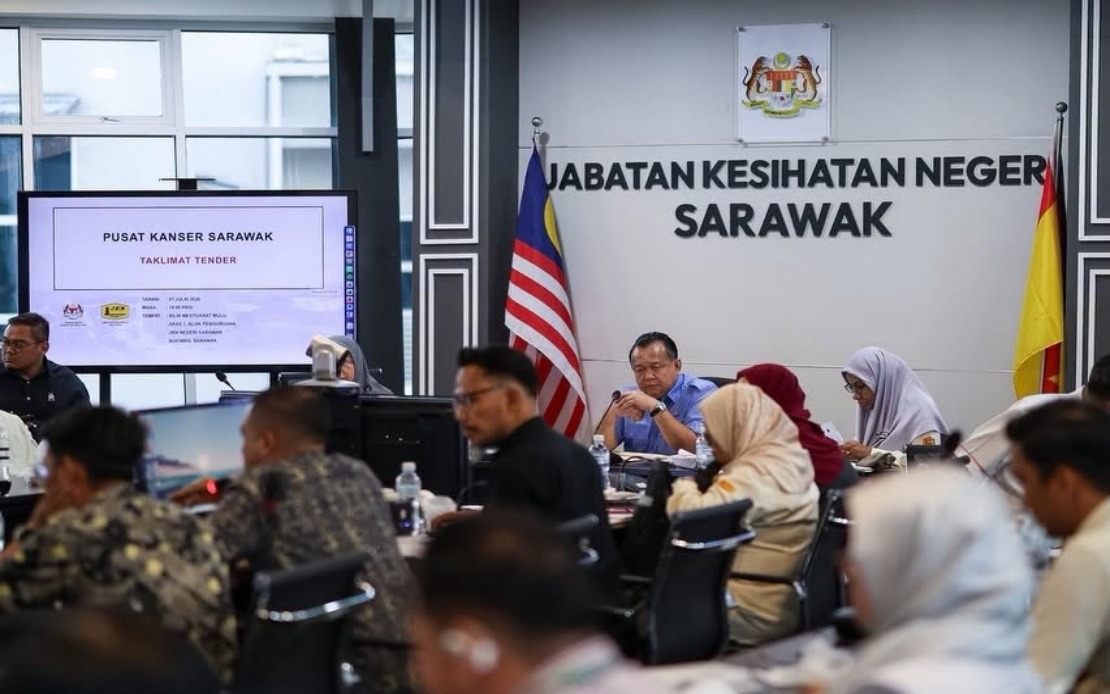
A major healthcare infrastructure project for East Malaysia is taking shape as Sarawak prepares to launch construction of a dedicated cancer centre in Kota Samarahan early next year. Works Minister Datuk Seri Alexander Nanta Linggi announced that the Letter of Acceptance for the successful contractor is expected to be issued in January 2027, paving the way for immediate commencement of design and construction activities at the site.
The project has progressed through competitive bidding with ten contractors advancing past initial pre-qualification assessments. These qualified firms have received detailed project briefings to understand the full scope and requirements before preparing their formal proposals. The procurement process reflects a structured approach typical of major government infrastructure initiatives in Malaysia, allowing multiple bidders to compete on technical capability and cost efficiency.
Contractors participating in the design-and-build tender currently have approximately three months to develop comprehensive proposals that will be evaluated by government assessors. This timeline suggests proposals should be submitted by October, with evaluation and contractor selection to follow before the New Year. The competitive bidding process for this scale of project typically emphasises both technical excellence and value for money, ensuring the government receives competitive pricing while maintaining quality standards appropriate for a specialised medical facility.
Once a contractor is appointed, the successful bidder will have 60 months—five full years—to complete both the design development and full construction of the facility. Following substantial completion, a two-year Defects Liability Period will follow, during which the contractor remains responsible for rectifying any construction defects. This extended construction timeline reflects the technical complexity involved in building a modern cancer treatment centre with sophisticated medical infrastructure and equipment systems.
The Sarawak Cancer Centre will occupy a 10.9-hectare site positioned adjacent to the Sarawak Heart Centre, creating a specialised medical hub within the state. The facility design must meet strict requirements established by the Health Ministry while incorporating contemporary medical architecture and operational standards. This proximity to the heart centre potentially enables shared administrative services, emergency protocols, and specialised medical expertise, enhancing overall healthcare delivery capabilities.
The new centre will accommodate 310 inpatient beds alongside outpatient facilities, establishing comprehensive cancer care capacity across both diagnostic and therapeutic services. This bed count positions it as a major regional facility capable of serving Sarawak's population while potentially attracting tertiary referrals from neighbouring areas. The combination of inpatient and outpatient services acknowledges that many cancer treatments require both short-term intensive admission and longer-term outpatient follow-up care.
Financial planning for the project reflects a substantial government commitment to advancing healthcare infrastructure in the state. The total project cost is expected to exceed RM1 billion, with the Sarawak government allocating exactly RM1 billion for the initiative. The funding mechanism involves the state covering costs upfront, with reimbursement occurring later through an agreed arrangement—likely involving federal health or development funding channels. This structure is common for major state-based health infrastructure projects where federal participation occurs alongside state commitment.
For Malaysian healthcare planning more broadly, the Sarawak Cancer Centre represents significant expansion of specialist oncology capacity in East Malaysia. Sarawak's population of approximately 2.8 million currently relies heavily on Peninsular Malaysia facilities for advanced cancer treatment, creating accessibility challenges for patients requiring prolonged care. This dedicated centre will reduce geographic barriers and improve treatment outcomes through reduced travel burden and shortened wait times for local patients.
The project's timing aligns with broader Malaysian healthcare development strategies emphasising specialist facility distribution across the country. Building cancer-specific infrastructure in Sarawak strengthens the state's tertiary healthcare network and reduces pressure on congested Peninsular facilities. The centre will employ significant numbers of specialised medical professionals and support staff, contributing to employment and professional development opportunities within Sarawak's healthcare sector.
Implementation of the cancer centre involves careful coordination between multiple stakeholders including state and federal health authorities, works and project management teams, and private contractors. The Health Ministry's design requirements will ensure the facility meets national standards and integrates effectively with existing health system protocols. Sarawak's selection of Kota Samarahan as the location provides accessible positioning relative to Kuching's population centres while maintaining proximity to other major medical facilities.
Once operational, the centre will address a critical gap in Sarawak's healthcare delivery, providing local capacity for cancer diagnosis, staging, chemotherapy, radiotherapy, and supportive care services. This comprehensive approach improves cancer survival rates by enabling earlier treatment and continuous care management. The facility's presence will strengthen medical tourism appeal for the state, potentially attracting patients from neighbouring Indonesian regions seeking sophisticated medical facilities.
The construction period through 2031 positions the centre for opening in the early 2030s, providing health planners with a clear timeline for workforce development and service protocol preparation. Sarawak's government will need to recruit and train specialist oncologists, radiation therapists, cancer nurses, and support personnel before opening, requiring proactive recruitment efforts. International partnerships may facilitate knowledge transfer and training excellence, ensuring the centre achieves best-practice operational standards from inception.

