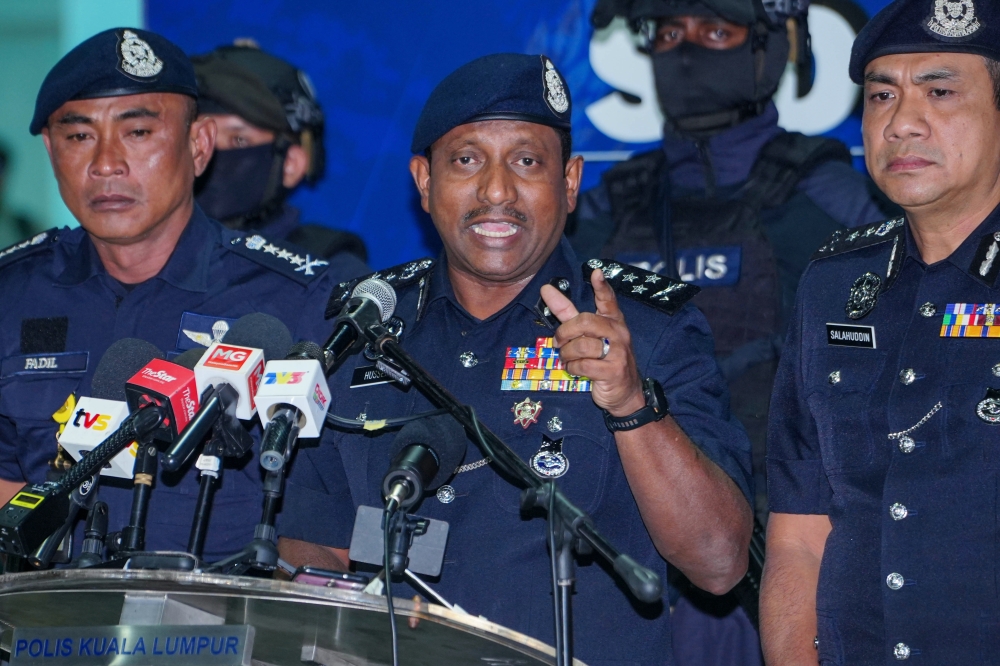
A 19-year-old Malaysian teenager from Sarawak has been taken into custody at Hong Kong International Airport following the discovery of approximately three kilograms of cannabis during baggage screening, according to statements from Bukit Aman. The incident marks a notable case involving a young Malaysian national caught in possession of significant quantities of controlled substances while attempting to enter the Hong Kong Special Administrative Region, raising fresh concerns about the recruitment of juveniles by international narcotics syndicates operating across Southeast Asia.
Investigators from the Royal Malaysia Police have indicated that preliminary inquiries suggest the teenager may have been approached and enlisted by members of a larger trafficking organisation rather than acting independently. This pattern of recruitment represents an increasingly troubling trend across the region, where criminal networks deliberately target young people perceived as low-risk couriers. The networks exploit youth by leveraging financial incentives, blackmail, or familial connections to move substantial drug quantities across international borders undetected.
The discovery at Hong Kong's airport occurred during routine security procedures when officers identified the cannabis concealed within the teenager's luggage. The quantity involved—three kilograms—substantially exceeds typical personal consumption levels, indicating clear commercial intent or trafficking purposes. Hong Kong customs and immigration authorities immediately placed the suspect under detention pending formal charges, while simultaneously notifying Malaysian law enforcement to facilitate cross-border investigations into the supply chain and potential co-conspirators within Malaysia.
Bukit Aman officials have emphasised that their ongoing investigations are now coordinating with Hong Kong authorities to establish the full scope of the trafficking operation. Police are pursuing multiple lines of inquiry including identification of the individuals who recruited the teenager, the source location where the cannabis originated within Malaysia, and the intended distribution network in Hong Kong. Such international cooperation has become essential as transnational drug syndicates routinely operate across Southeast Asian jurisdictions, exploiting regulatory gaps and border complexities to facilitate their operations.
The case underscores the vulnerability of younger Malaysians to exploitation by organised crime networks. Youth often lack the maturity to fully comprehend legal consequences or recognise manipulation tactics employed by recruiters. Traffickers deliberately cultivate relationships with teenagers by posing as legitimate associates offering lucrative "easy money" opportunities, deliberately downplaying the serious legal ramifications in destination countries like Hong Kong, where drug trafficking carries severe penalties including lengthy imprisonment and substantial fines.
From a regional security perspective, this incident reflects broader patterns of drug trafficking activity flowing through Southeast Asia. Malaysia's geographic position along major transit routes between source regions and end markets in East Asia makes the nation particularly susceptible to becoming an intermediary point for narcotics movement. The country's extensive coastlines, porous borders in certain areas, and sophisticated port infrastructure can be exploited by criminal organisations seeking efficient trafficking corridors. Sarawak's location near international waters and its connectivity to maritime trade routes present particular vulnerabilities that syndicates routinely target.
The three-kilogram haul represents merely one transaction within a substantially larger distribution network. Police analysts assess that such seizures typically indicate much larger quantities successfully transported through customs checkpoints, with only a fraction detected and intercepted. This enforcement reality underscores the resource constraints facing anti-narcotics agencies and the considerable sophistication of criminal logistics operations that have evolved to counter detection methods employed at border crossings and transportation hubs.
Hong Kong's stringent drug laws create particularly severe consequences for individuals convicted of trafficking offences. The jurisdiction maintains among Asia's strictest sentencing frameworks for narcotics crimes, with trafficking offences potentially resulting in life imprisonment for substantial quantity cases. The teenager now faces potential legal proceedings within Hong Kong's judicial system, though Malaysian authorities maintain jurisdiction over any charges related to the initial procurement and organisation of the trafficking attempt within Malaysian territory.
This situation highlights the necessity for enhanced public awareness campaigns targeting Malaysian youth regarding recruitment tactics employed by trafficking organisations. Educational initiatives focusing on recognising manipulation and understanding legal consequences across different jurisdictions remain critically underfunded despite demonstrated effectiveness in other Southeast Asian nations. Universities, schools, and community organisations across Sarawak should establish stronger outreach programs to counter the narrative propagated by recruiters that trafficking represents quick money with minimal risk.
For Malaysian policymakers, the case reinforces arguments for increased investment in intelligence-sharing mechanisms with regional law enforcement partners. Enhanced coordination between Malaysian police, Hong Kong authorities, and other Southeast Asian agencies can facilitate earlier identification of trafficking networks at their inception stages. Additionally, targeted resources directed toward investigations into recruitment networks operating within Malaysia could disrupt operations before young nationals become entangled in criminal enterprises with catastrophic personal consequences.
The arrest also prompts reconsideration of support mechanisms for detained Malaysian nationals abroad. While the teenager faces serious charges, consular services must ensure access to legal representation and monitoring of trial proceedings to guarantee fair treatment within Hong Kong's justice system. Diplomatic channels require activation to facilitate communication between Malaysian and Hong Kong authorities regarding the investigation's progression and any information that might illuminate broader trafficking patterns affecting regional security.

