Sarawak's state government is moving forward with plans to establish a dedicated drug rehabilitation centre, signalling a shift towards more localised solutions for managing substance abuse within the state. The initiative represents an acknowledgment that while federal agencies retain primary regulatory authority over narcotics matters, the state recognises the necessity of developing infrastructure and programmes tailored to Sarawak's particular circumstances and population needs.
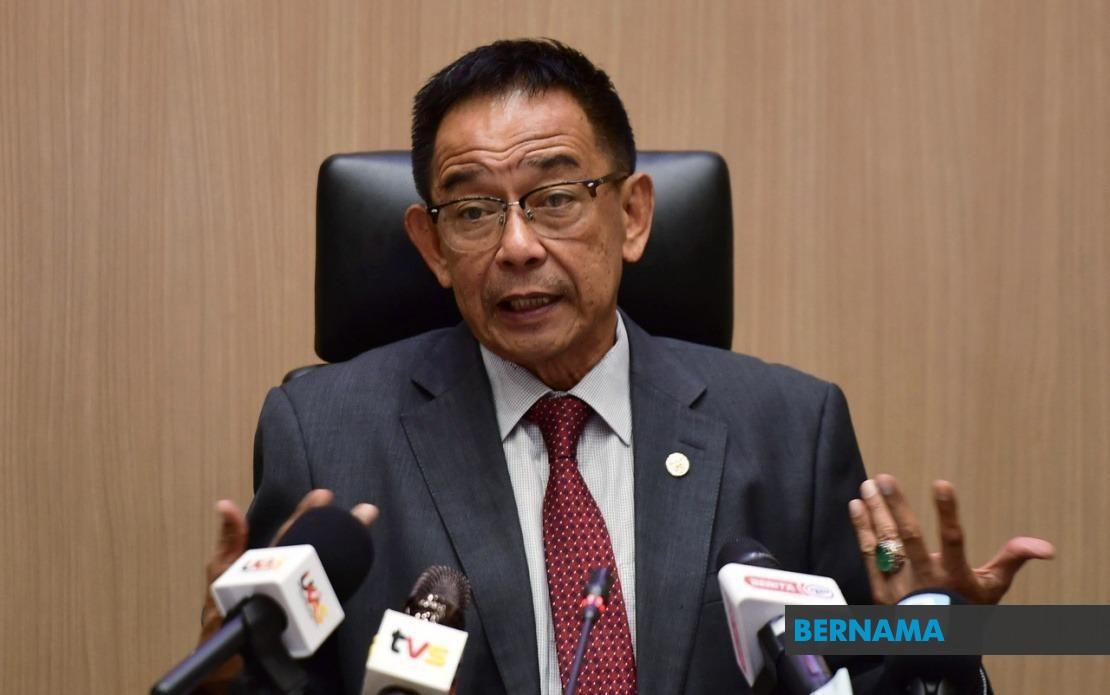
Datuk Seri Abdul Karim Rahman Hamzah, Chairman of the Sarawak Prevention of Drug Abuse Association (PEMADAM), articulated this rationale during a press conference following the Sarawak State-Level Drug Eradication Action Council (MTMD) meeting. He emphasized that establishing a centre aligned with the state's own perspective and operational framework would enable more effective rehabilitation outcomes. This approach reflects growing recognition across Malaysian states that substance abuse presents complex social challenges requiring integrated responses at multiple governance levels.
The distinction between federal and state responsibilities in drug enforcement has long created coordination challenges across Malaysia. While the Ministry of Home Affairs (KDN) and federal authorities maintain oversight of narcotics regulation and trafficking enforcement, the social consequences of addiction—including family breakdown, employment disruption, and community instability—manifest locally. Abdul Karim's statement underscores an important principle: state governments cannot remain passive when addiction-related social problems directly affect their constituents and demand immediate community-level intervention.
As Sarawak Minister for Youth, Sports and Entrepreneur Development, Abdul Karim carries responsibility for youth welfare portfolios, positioning the rehabilitation centre initiative within a broader developmental framework. Drug dependency among young people carries particular consequences for workforce participation, educational attainment, and social mobility. A state-operated facility could integrate youth-specific programming, vocational training components, and mentoring arrangements reflecting Sarawak's economic structure and employment landscape.
The proposal will require formal cabinet consideration before advancing to implementation, with the National Anti-Drug Agency (AADK) Sarawak and the Ministry of Women, Childhood and Community Wellbeing Development (KPWK) charged with preparing supporting documentation. This inter-agency coordination mechanism suggests the centre's design will incorporate gender-responsive approaches and family-centered interventions, recognising that rehabilitation outcomes depend significantly on domestic support structures and community reintegration pathways.
Sarawak's initiative arrives amid broader Malaysian discussions about rehabilitation versus criminalisation paradigms in drug policy. While enforcement remains essential for disrupting supply chains and addressing trafficking, treatment capacity has historically lagged demand. Rehabilitation centres require sustained funding, trained personnel, and evidence-based programme design—resources that centralised federal operations sometimes struggle to distribute equitably across geographically dispersed populations. A state-managed facility could potentially offer greater flexibility in staffing arrangements, programme scheduling, and post-discharge monitoring aligned with local employment and educational calendars.
The geographic and demographic diversity within Sarawak itself justifies localised rehabilitation infrastructure. The state encompasses both urban centres like Kuching and Sibu alongside rural and indigenous communities where substance abuse patterns, treatment-seeking behaviours, and recovery support networks differ substantially. A dedicated facility positioned within the state could address these variations more responsively than federally-operated centres potentially located elsewhere in peninsular Malaysia, reducing barriers related to distance, transportation costs, and cultural-linguistic considerations affecting treatment accessibility.
Establishing state rehabilitation capacity also creates opportunities for data collection and outcome monitoring reflecting Sarawak's specific epidemiology of drug abuse. Understanding which substances predominate locally, which demographic groups face highest vulnerability, and which interventions generate strongest results enables evidence-based resource allocation. Federal statistics often obscure state-level variations, potentially leading to programme designs misaligned with actual local conditions. A Sarawak centre could generate granular information informing both state strategies and contributions to national understanding of substance abuse patterns across Malaysian diversity.
The initiative reflects international trends recognising that effective drug treatment requires integration with employment support, mental health services, family counselling, and housing assistance. States and municipalities increasingly develop comprehensive local systems rather than relying solely on specialised treatment facilities. Sarawak's approach might encompass referral networks linking rehabilitation providers with state social services, occupational training programmes, and community organisations supporting reintegration—creating supportive ecosystems rather than standalone institutions.
Implementation will require careful attention to financing mechanisms. While federal grants may supplement operations, the state must commit recurrent funding sufficient for staff salaries, facility maintenance, and programme delivery. Budget sustainability determines whether facilities remain operational during staff turnover, evolving treatment standards, and shifting demand patterns. Transparent financial planning becomes essential, particularly as the government seeks to demonstrate that state-level investment generates measurable improvements in rehabilitation success rates and community outcomes justifying the expenditure.
From a federal-state relations perspective, Sarawak's initiative invites consideration of whether other states might pursue similar developments, potentially creating a more decentralised rehabilitation landscape across Malaysia. Such coordination challenges—including transferring clients across state boundaries, maintaining consistent programme standards, and sharing best practices—would require new inter-governmental protocols. However, appropriately structured, a network of state facilities could enhance treatment access while respecting regional governance autonomy.
The success of this endeavour will ultimately depend on recruitment and retention of qualified rehabilitation professionals, programme innovation maintaining evidence-based standards, and genuine commitment to treating addiction as a health and social issue rather than purely criminal. Sarawak's decision to move forward signals political will to address substance abuse comprehensively. The critical test arrives during implementation, when planning translates into functional facilities delivering measurable improvements in client outcomes and community resilience against substance abuse.

