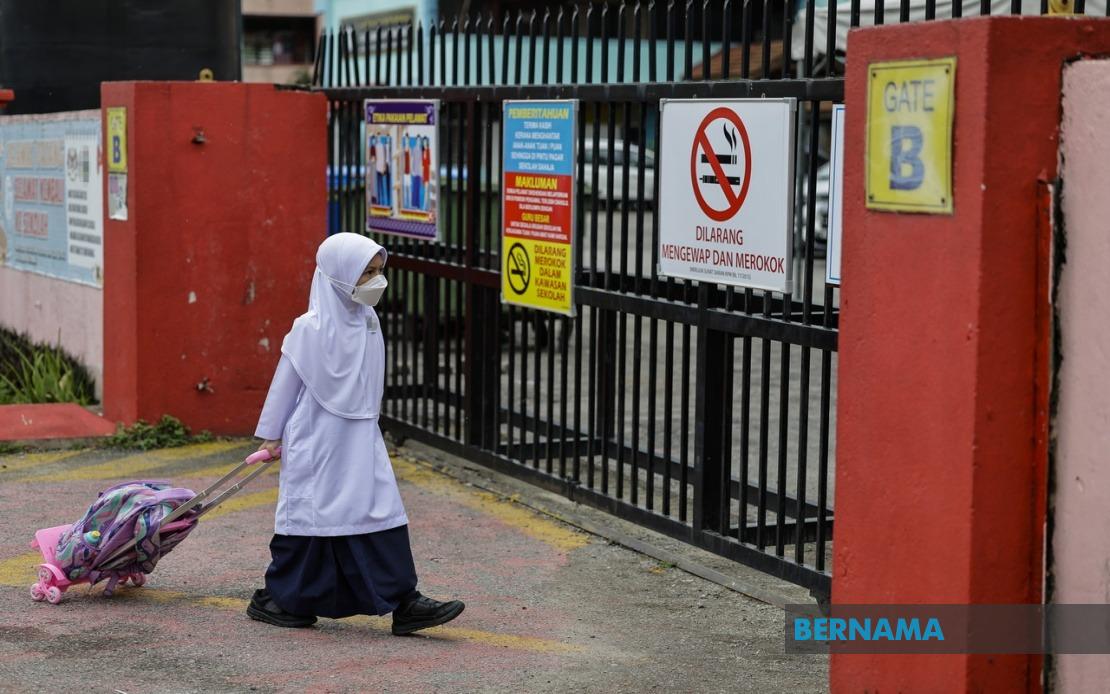
School administrators across Malaysia now have the authority to close their institutions when air quality reaches hazardous levels, according to Deputy Education Minister Wong Kah Woh. The decision to shut schools rests with principals and headmasters once the Air Pollutant Index climbs above 200, provided they consult with guidance from state education departments and district education offices in their respective regions. This delegation of authority reflects the ministry's recognition that local conditions vary significantly across the country, particularly during the annual haze season that affects different states at different times.
The Ministry of Education has established a comprehensive framework for managing school operations during periods of poor air quality, with standing circulars issued in 2016, 2019, and 2023 serving as the governing documents. These circulars provide schools with clear benchmarks and procedures for responding to haze episodes, creating a standardised approach while allowing flexibility for local decision-making. Wong made these clarifications while in Taiping following the signing of a memorandum of understanding between Toyo Tyre Malaysia and UniMAP, responding to concerns raised after several regions recorded unhealthy API readings in recent days.
Before reaching the threshold for potential school closure, educational institutions must implement intermediate protective measures once API readings cross 100. At this level, schools are required to suspend all outdoor activities and cancel public gatherings on campus grounds. Additionally, outdoor sporting events and competitive games must be postponed or relocated indoors to shield students from prolonged exposure to polluted air. These graduated responses aim to minimise health risks while maintaining educational continuity, recognising that complete closures disrupt learning schedules and create childcare challenges for working parents.
The education ministry's monitoring system operates through a network of state education departments and district education offices that track haze conditions and API readings on an ongoing basis. This multi-layered oversight structure ensures that information about deteriorating air quality reaches school administrators promptly, allowing them sufficient time to implement necessary precautions or plan for closures. The system also facilitates communication between neighbouring schools and education authorities, enabling coordinated responses across regions experiencing similar air quality challenges.
School principals bear the responsibility of interpreting local conditions and making final determinations about closures or operational adjustments based on API readings, state-level guidance, and advice from their district offices. This empowerment of school leaders acknowledges that they possess the most immediate knowledge of their students' circumstances and their institution's specific vulnerabilities. A school located in an industrial zone might experience persistently elevated pollution even when surrounding areas show moderate readings, while rural schools might remain unaffected during episodes that impact urban centres.
The haze management protocols represent a significant policy area for Malaysia, where transboundary smoke pollution from neighbouring countries regularly threatens student health during peak months. The annual phenomenon, often linked to agricultural burning across borders, can persist for weeks and affect school calendars, examination schedules, and outdoor learning programmes. By establishing clear API-based thresholds and decision-making frameworks, the ministry attempts to balance competing priorities: safeguarding student respiratory health, maintaining educational continuity, and avoiding unnecessary disruptions to the school calendar.
For Malaysian parents and educators, understanding these protocols provides clarity about what triggers school closures and the reasoning behind suspended outdoor activities. The tiered approach—from activity restrictions at API 100 to potential closures at API 200—demonstrates the ministry's effort to implement proportionate responses rather than overreacting to minor fluctuations in air quality. This measured strategy helps schools maintain academic calendars while prioritising student welfare during genuinely dangerous conditions.
The relevance of these guidelines extends beyond Malaysia's borders, as other Southeast Asian nations grapple with similar annual haze episodes. Indonesia, which experiences some of the world's most severe transboundary pollution, and Thailand, which faces seasonal air quality degradation, operate under comparable frameworks. Malaysia's structured approach to defining closure thresholds offers a model for the region, though implementation effectiveness depends on real-time monitoring infrastructure and the willingness of school administrators to enforce these directives even when pressure exists to maintain normal schedules.
Moving forward, the ministry's commitment to continuous monitoring through existing administrative channels suggests that the current framework remains the operative policy. Wong's statement underscores that these are not newly announced measures but rather clarifications of existing standing directives that some school administrators or stakeholders may not have fully understood. The emphasis on principal discretion, coupled with mandatory consultation of state and district education authorities, seeks to balance autonomy with accountability in responding to public health threats.
For students, families, and teachers planning academic activities, these protocols should inform decisions about outdoor education programmes and sports scheduling during months when API readings typically spike. Schools in regions with documented haze problems should proactively monitor air quality forecasts and prepare contingency plans for rapid transition to indoor-only operations. The availability of clear government guidance on closure thresholds empowers schools to make these decisions with confidence, knowing they align with national policy rather than acting on individual judgement that might be questioned later.

