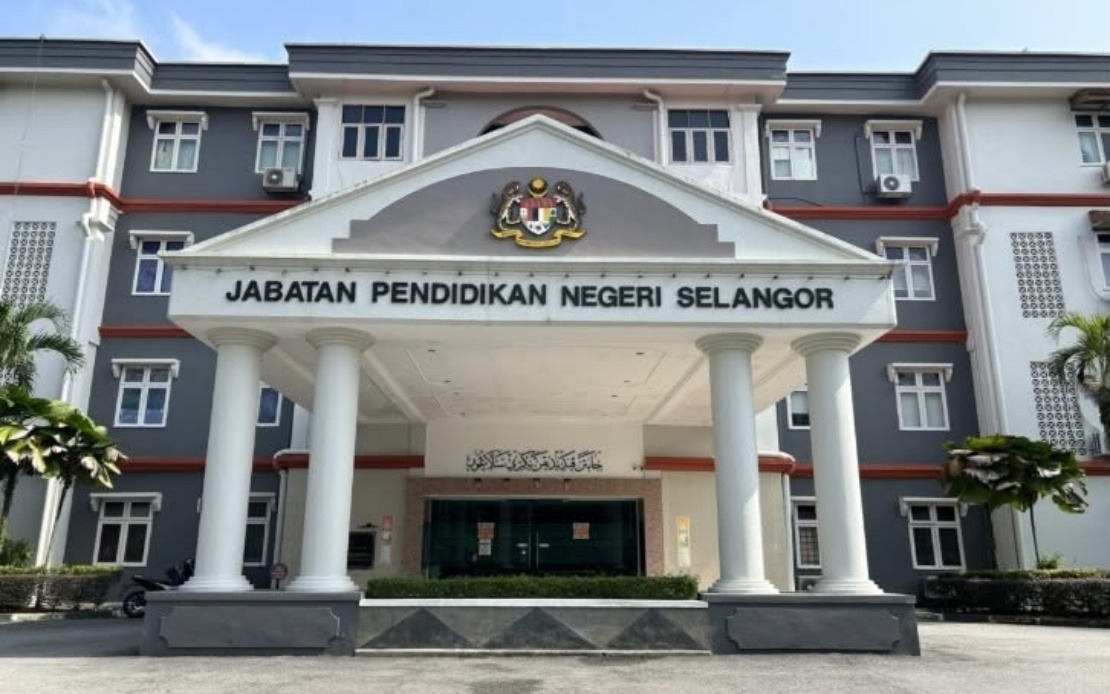
The Selangor State Education Department (JPN) has stepped forward to provide comprehensive support to authorities investigating a bullying incident at a secondary school in Rawang that recently captured public attention after videos of the incident spread across social media platforms. In a formal statement released on July 12, the department made clear that it views the matter with utmost seriousness and will work closely with law enforcement to ensure a thorough examination of the circumstances.
According to the department's position, no individual connected to the case will receive preferential treatment or protection as the investigation progresses. This stance reflects a commitment to accountability and fair process, signalling that culpability will be determined solely by evidence and findings rather than any external considerations or social status. The JPN indicated that those found to have engaged in misconduct will face appropriate penalties in accordance with the established disciplinary framework governing Malaysian schools.
The emergence of video footage on social media platforms highlights a growing pattern in Malaysia whereby incidents within educational institutions gain rapid visibility through digital channels before formal investigations commence. This phenomenon creates both opportunities and challenges for school administrators and authorities. On one hand, it brings accountability issues to light and prevents potential cover-ups. On the other, it can prejudge investigations and place pressure on institutions to respond hastily rather than carefully. The Selangor JPN's measured response suggests an effort to balance these tensions by acknowledging public concern whilst maintaining procedural integrity.
Bullying in Malaysian schools remains a persistent concern that extends beyond individual incidents to reflect broader issues within the education system. Physical altercations, verbal abuse, and social exclusion among students create environments that undermine learning and psychological well-being. The Rawang case, by virtue of its viral status, serves as a reminder of the interconnected challenges schools face in fostering safe, inclusive spaces. Research consistently demonstrates that bullying correlates with academic decline, mental health difficulties, and increased school absenteeism, making its prevention and resolution essential to educational outcomes.
The department's assertion that it will not tolerate misconduct affecting student safety establishes a framework within which the investigation will unfold. However, such statements also carry weight beyond the immediate case. They communicate to parents, educators, and the broader Malaysian community that authorities take such matters seriously, though critics have sometimes questioned whether stated commitments translate consistently into meaningful action across different schools and communities. The credibility of this pledge will ultimately depend on the transparency of the investigation and the visibility of consequential outcomes.
Police involvement in the case reflects the severity authorities attach to the allegations. When incidents escalate beyond school discipline to criminal investigation, it signals potential charges ranging from assault to intimidation. This escalation means that perpetrators may face consequences beyond school suspension or demerit systems, including potential legal ramifications that carry lasting consequences for their records and futures. For victims, police involvement can provide both protection and validation, though the formal investigation process typically extends timelines considerably before resolution.
The public appeal from the Selangor JPN for respect toward the investigation process represents a standard procedural request but one increasingly necessary in an age of rapid social media commentary. Investigations function most effectively when not conducted in the court of public opinion, where partial information and speculation can distort understanding. Yet in Malaysia, as elsewhere, the balance between transparency and procedural integrity remains perpetually contested, particularly when incidents involve young people and raise fundamental questions about school safety.
For Malaysian parents and educators, the Rawang incident underscores the importance of institutional vigilance and reporting mechanisms. Students who witness or experience bullying require accessible channels to report incidents without fear of retaliation or dismissal. Schools in Selangor and throughout the country would benefit from examining their existing protocols to ensure they meet contemporary standards for safeguarding and responsiveness. The involvement of state-level educational authorities signals that such cases receive attention beyond individual school management, though consistency in approach and outcomes across different institutions remains an ongoing challenge within Malaysia's decentralised education system.
The incident also prompts reflection on the role of digital platforms in magnifying school-based conflicts. While social media documentation can expose genuine wrongdoing, it simultaneously creates pressures that may not always align with fair investigation and resolution processes. Educators increasingly find themselves navigating situations where incidents become public before they can address them internally, complicating both investigation and remediation efforts. Schools may need to develop clearer guidance for students and parents regarding reporting procedures that distinguish between documenting incidents for evidence purposes and public posting that may compromise investigations.
As the Selangor JPN proceeds with its cooperation with police, the trajectory of this case will likely serve as a reference point for how Malaysian authorities handle school bullying going forward. Public confidence in institutions depends significantly on visible follow-through and accountability. Should the investigation conclude without transparent communication of findings or meaningful consequences, public scepticism about official assurances will deepen. Conversely, a thorough, fair process that results in clear outcomes could demonstrate that state education departments possess both the commitment and capability to protect student welfare in practical terms.

