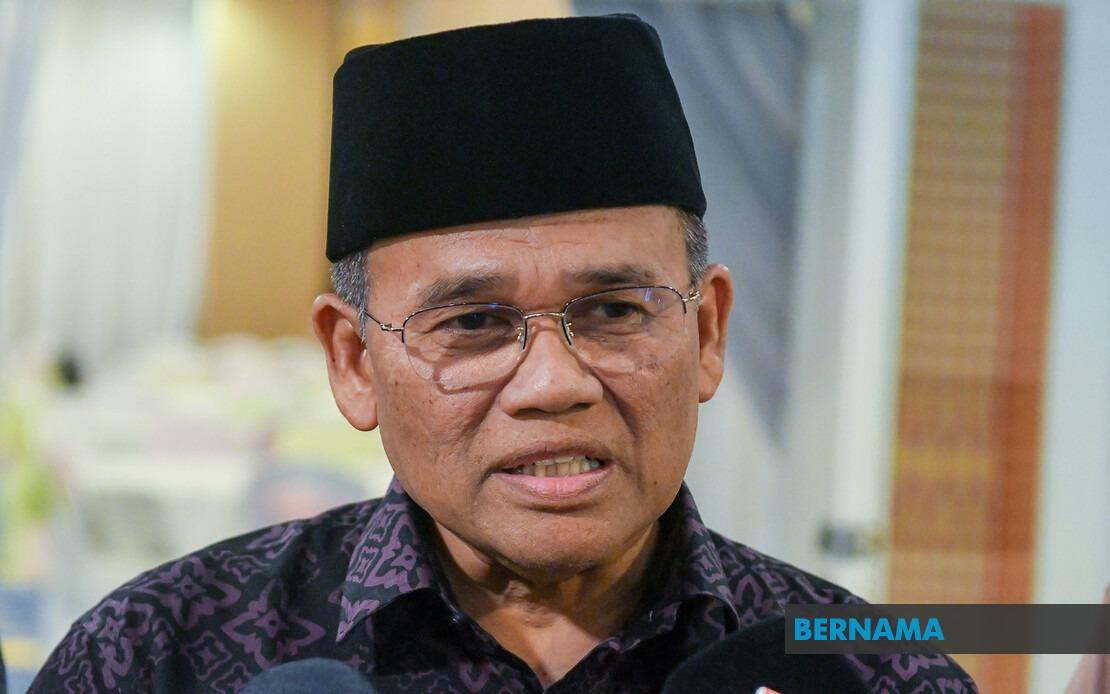
The Selangor Islamic Religious Council (MAIS) has moved to clarify the circumstances surrounding approval granted for Friday prayers at the Musala IOI City Mall in Putrajaya, emphasising that the decision emerged from careful deliberation by relevant religious and state authorities. According to MAIS chairman Datuk Salehuddin Saidin, the authorisation took effect on September 6, 2024, following endorsement from the Selangor State Mosque and Surau Governance Committee (JATUMS) and subsequent consent from the Sultan of Selangor, Sultan Sharafuddin Idris Shah.
The approval process reflected practical concerns about the capacity and accessibility of existing Islamic facilities for the commercial hub's occupants and patrons. MAIS conducted an assessment that identified a substantial concentration of male Muslim workers employed at the shopping mall complex, alongside significant numbers of Muslim visitors frequenting the premises throughout the week. This demographic composition rendered the existing mosque network inadequate for accommodating Friday prayer attendance, creating a genuine need for alternative worship space within reasonable proximity.
The geographical reality underscored this necessity, with Masjid Al-Mustaqim Kampung Dato' Abu Bakar Baginda situated approximately 7.6 kilometres away and Masjid UNITEN in Kajang positioned roughly 7.7 kilometres distant. Such distances present considerable logistical challenges for workers observing the Friday obligation during working hours, particularly in the context of time constraints associated with commercial operations. The existing mosques serving the region have reached capacity limitations, unable to accommodate the influx of congregants who would otherwise travel from IOI City Mall to perform their religious duties.
Critically, MAIS emphasised that this authorisation represents a temporary measure rather than a permanent fixture within Selangor's religious infrastructure. The council has stipulated that permission will automatically terminate upon completion and operational readiness of a purpose-built mosque facility adjacent to or near the premises. This sunset provision reflects the state's commitment to establishing proper, dedicated Islamic houses of worship rather than relying indefinitely on temporary musala spaces within commercial establishments.
The distinction between musala facilities and purpose-built mosques carries significance within Islamic jurisprudence and administrative practice. While musala spaces serve important functions for daily prayers, the institutional and spiritual character of mosques differs substantially. The MAIS position indicates that expansion of worship infrastructure in Selangor will proceed through traditional channels, with the IOI City Mall arrangement functioning as an interim solution addressing an immediate gap.
This decision arrives against a broader policy backdrop regarding shopping centre prayer facilities in Selangor. The chairman previously stated that Sultan Sharafuddin had not provided blanket consent for commercial centre musala or surau to conduct Friday prayers as a general practice. The IOI City Mall approval thus represents an exception justified by specific circumstances rather than a precedent for widespread shopping mall Friday prayer authorisation. This calibrated approach balances religious accommodation with structural oversight, preventing ad hoc proliferation of unsanctioned facilities.
MAIS and the Selangor Islamic Religious Department (JAIS) have jointly committed to maintaining orderly management and implementation of Friday prayer arrangements throughout the state. The authorities emphasise their intention to ensure that all activities align with Islamic jurisprudential principles and applicable legal frameworks, safeguarding both the spiritual integrity of worship and the regulatory interests of Muslim communities. This dual commitment reflects recognition that proper administration of religious affairs requires both spiritual authenticity and legal compliance.
For Malaysian readers, particularly those in the Klang Valley and surrounding regions, this development illustrates how state religious authorities navigate contemporary challenges posed by rapid urbanisation and commercial expansion. The IOI City Mall case demonstrates pragmatic flexibility—recognising that rigid adherence to pre-existing infrastructure cannot serve populations in newly developed commercial zones—while maintaining institutional standards through temporary licensing rather than permanent alteration of religious facilities policy.
The broader implications extend to broader patterns of religious accommodation in Southeast Asia's developing economies. As commercial centres proliferate and employ increasingly diverse Muslim workforces, religious authorities across the region face similar questions about worship access and facility adequacy. Selangor's approach—temporary authorisation pending permanent infrastructure development—offers a model balancing immediate community needs with long-term institutional development, potentially informing how other state and national religious bodies address comparable pressures.
The decision underscores the Sultan's continued involvement in significant religious matters within Selangor, reflecting the constitutional role of the reigning monarch as head of Islam in the state. Sultan Sharafuddin's consent affirmed both the legitimacy of the application and the state's commitment to facilitating Islamic observance among its Muslim population. This collaborative framework between MAIS, JAIS, and the royal institution illustrates how Selangor's religious governance structures function to address contemporary community requirements while preserving established precedence and institutional hierarchy.
Moving forward, stakeholders should monitor the timeline for new mosque construction near IOI City Mall, as this facility will determine the duration of the temporary arrangement. The MAIS statement provides clear criteria for evaluating when the musala arrangement will expire, establishing transparency around what constitutes adequate permanent infrastructure. This specificity assists all parties—the mall management, Muslim workers and visitors, and religious authorities—in understanding their respective responsibilities and the finite nature of this interim accommodation.
The episode ultimately reflects how Malaysian Islamic administration continues evolving to accommodate modern economic and demographic realities. Rather than viewing shopping centre facilities as permanent alternatives to mosques, Selangor authorities have framed them as temporary expedients within a trajectory toward proper institutional development. This distinction—between temporary accommodation and systemic change—carries importance for understanding how religious governance remains responsive without surrendering institutional principles or structural vision for faith communities.

