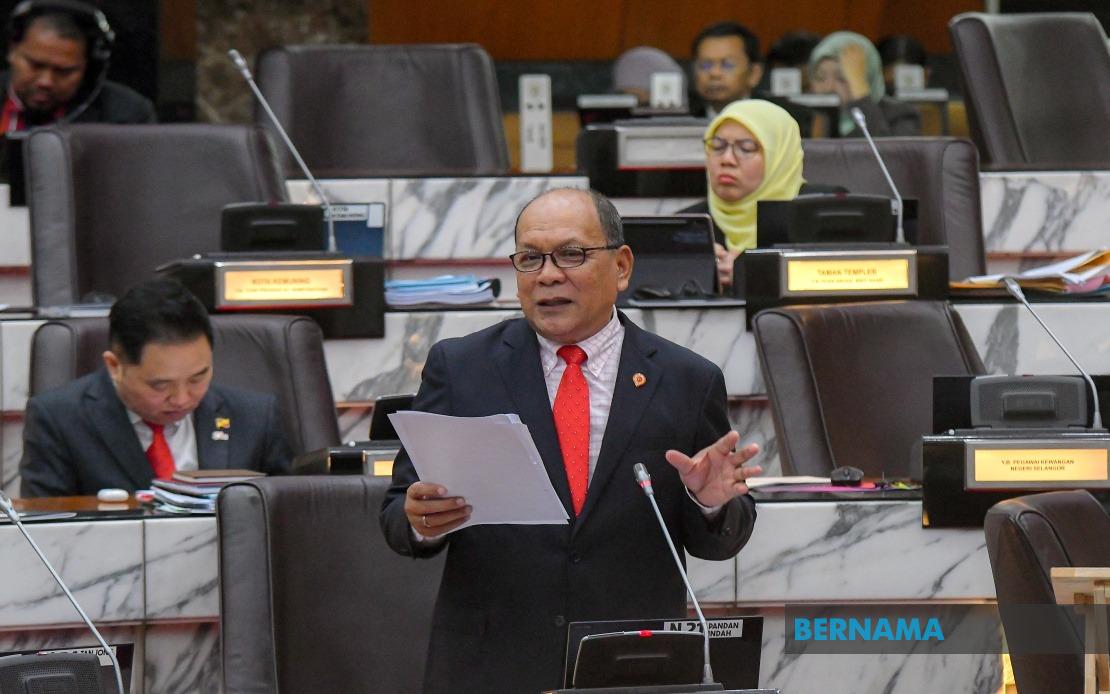
Vandalism and theft at Selangor's pump houses have emerged as a significant operational and financial challenge, with the state government estimating annual losses of up to RM400,000 in repair and replacement expenses. The recurring incidents pose a direct threat to the state's flood management infrastructure, which has grown increasingly vital given Malaysia's unpredictable monsoon patterns and urban development that reduces natural water absorption. Selangor Infrastructure and Agriculture Committee chairman Datuk Izham Hashim disclosed the extent of the problem during the State Legislative Assembly sitting, revealing that persistent criminal activity at these facilities disrupts essential drainage and irrigation operations that protect communities and agricultural areas across the state.
The vulnerability of these pump houses reflects a broader challenge facing Malaysian states managing critical infrastructure in an era of growing urban expansion and resource constraints. Selangor, as the nation's economic heartland with the largest urban concentration outside the federal territories, relies heavily on a network of pump houses to manage stormwater during heavy rainfall events. When thieves steal valuable components or vandals damage equipment, the interruption can cascade through drainage systems, leaving neighbourhoods and industrial areas susceptible to flooding. The scale of losses—reaching RM400,000 annually—represents a substantial drain on state finances that could otherwise be redirected toward preventive maintenance, system upgrades, or expansion of flood mitigation infrastructure.
Datuk Izham indicated that the state government has already initiated dialogue with Selangor's police leadership to strengthen enforcement efforts around these facilities. This inter-agency coordination is essential, as police presence and regular patrols can deter opportunistic thieves who target copper wiring, metal components, and other valuable materials from pump house installations. The collaboration between state infrastructure agencies and law enforcement underscores recognition that security at critical utilities demands sustained attention and coordinated resources. However, the reliance on police support also highlights capacity constraints within enforcement agencies that must balance priorities across multiple sectors.
To address the immediate threat, Selangor has instructed the Drainage and Irrigation Department and Public Works Department to implement comprehensive security upgrades at affected locations. Closed-circuit television installation represents the cornerstone of this new strategy, creating visual deterrents and providing evidence for investigating criminal incidents. CCTV systems, increasingly affordable and accessible, offer 24-hour monitoring capability at pump houses that often operate in remote or less-populated areas where thefts might otherwise go unnoticed for extended periods. Beyond video surveillance, the state is exploring additional protective measures, though Datuk Izham did not specify details of other security enhancements under consideration.
The problem gained parliamentary attention when Jefri Mejan, state assemblyman for Ijok representing Perikatan Nasional, raised concerns about prolonged flooding linked to pump house theft and vandalism. His intervention demonstrates how critical infrastructure damage connects directly to citizen welfare, as interrupted drainage systems exacerbate flood impacts on residential and commercial zones. Selangor experiences seasonal flooding, particularly during the Northeast Monsoon season from November to March, making fully operational pump houses essential for managing excess water and protecting property. When equipment theft removes these systems from service, even temporarily, downstream areas face heightened inundation risk.
The nature of the thefts suggests organised or semi-organised activity targeting specific high-value components rather than random vandalism. Metal thieves in particular have become increasingly sophisticated, targeting copper and aluminium materials from utilities across Southeast Asia. Selangor's pump houses, as infrastructure assets deployed across multiple districts, represent attractive targets because they operate with limited human oversight and contain materials with established resale value. The persistence of this problem indicates that existing security measures have proven inadequate, necessitating the shift toward technology-enabled monitoring.
Implementing widespread CCTV coverage across Selangor's pump house network will require substantial capital investment and ongoing maintenance expenditure. The state must balance this immediate security spending against competing budget priorities, though the RM400,000 annual loss provides strong economic justification for preventive investment. If security upgrades reduce theft and vandalism by even 50 percent, the savings would justify infrastructure spending within 1-2 years while providing long-term protection for flood management capacity. This cost-benefit calculation has likely influenced the state's decision to pursue technological solutions alongside enhanced police coordination.
The pump house security issue also reflects broader infrastructure challenges facing Malaysian states managing aging or inadequately protected assets. Many utilities across the country face similar vulnerabilities to theft and vandalism, from water treatment facilities to electrical substations. Selangor's experience may provide a model for other state governments considering how to protect critical infrastructure economically while maintaining service reliability. Regional cooperation and knowledge-sharing on security best practices could help other states avoid duplicating Selangor's losses.
Looking forward, Datuk Izham's commitment to exploring additional measures suggests the state recognises that CCTV alone may prove insufficient. Potential supplementary approaches could include improved fencing, regular maintenance patrols by uniformed personnel, community awareness campaigns highlighting the public safety consequences of infrastructure damage, or engagement of private security contractors at high-risk locations. The strategy appears to incorporate both deterrent elements (visible security measures) and detective capabilities (CCTV recording).
For Malaysian residents in Selangor, these security investments directly affect flood resilience and drainage system functionality during monsoon seasons. A fully operational pump house network provides faster water clearance and reduced inundation during heavy rainfall, protecting homes, businesses, and transportation networks. The state's decision to strengthen security reflects a necessary prioritisation of infrastructure protection alongside other competing governance demands, ensuring that critical flood management capacity remains available when communities need it most.

