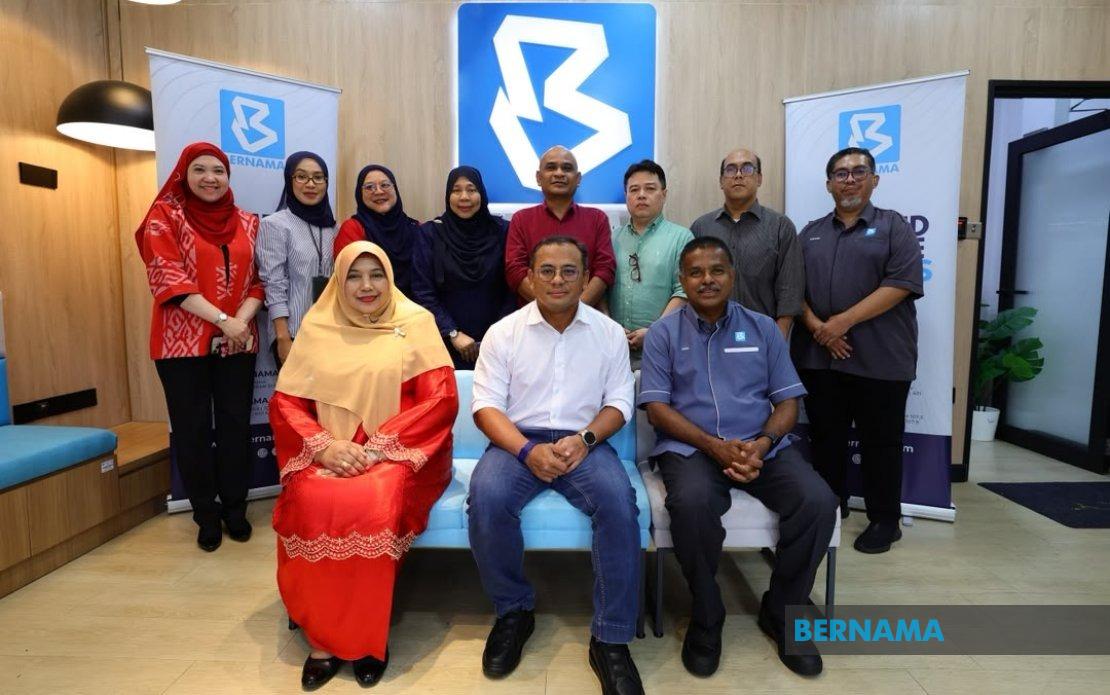
Selangor Menteri Besar Datuk Seri Amirudin Shari made an unscheduled inspection of Bernama's Negeri Sembilan operational hub on Saturday afternoon, taking a hands-on look at how Malaysia's national news wire is managing coverage of the 16th state election. The visit, which occurred at 2 pm, underscores the heightened political focus on media infrastructure during high-profile electoral contests in the peninsula. Amirudin, who doubles as the Pakatan Harapan election director, was received by Bernama chief executive officer Datin Paduka Nur-ul Afida Kamaludin and editor-in-chief Arul Rajoo Durar Raj, signalling the significance the agency places on such interactions.
The election operations room functions as the nerve centre for Bernama's coordinated reporting across all electoral developments in Negeri Sembilan. During the 2023 general election cycle and subsequent state polls, such facilities became critical focal points where senior editors coordinate real-time coverage, fact-checking, and distribution of election-related news across multiple platforms and languages. The presence of top management personnel—including deputy editor-in-chief of News Services Mohd Shukri Ishak and Negeri Sembilan bureau chief Nursyabiha Sukri—demonstrated the scale of resource deployment for covering a single state election in Malaysia.
During his time at the bureau, Amirudin received a comprehensive briefing from Negeri Sembilan election coverage coordinating editor Mohd Hisham Abdul Rafar. This session provided detailed insight into the operational mechanics driving Bernama's election journalism, including how the agency gathers, verifies, and disseminates information across the three-week campaign period. For an opposition coalition director, observing media operations firsthand offers valuable intelligence about information flows and narrative framing during elections—critical factors in modern political campaigns where media perception shapes voter behaviour.
The timing of the visit carried particular weight, as the Negeri Sembilan campaign had only recently entered its third day. At this stage, election narratives are still being established, candidate profiles are under media scrutiny, and early polling trends begin emerging. Amirudin's intervention in observing coverage operations suggests the Pakatan Harapan coalition views media management as integral to their electoral strategy, especially in a state where the balance between Barisan Nasional and opposition forces remains competitive. The decision to visit a government news agency—rather than alternative media outlets—also indicates the continued relevance of Bernama as a trusted information source among Malaysian voters.
Beyond the tour, Amirudin was scheduled to participate in a recorded interview with Bernama TV addressing the evolving election dynamics. This session would provide the PH director with direct access to broadcast audiences, allowing him to articulate the coalition's messaging on campaign developments, policy positions, and criticisms of the incumbent administration. Such television appearances during elections carry substantial weight in reaching older, more traditional viewers who remain influential in determining electoral outcomes in smaller states like Negeri Sembilan.
The Election Commission has structured the Negeri Sembilan poll with early voting scheduled for July 28, followed by general polling day on August 1. This compressed timeline means the campaign period is relatively short, making strategic media engagement particularly valuable. Political actors competing for coverage and airtime must be deliberate about when and how they engage with major news organisations. Amirudin's afternoon visit demonstrates this strategic awareness, positioning the PH coalition as actively engaged in shaping their electoral narrative during a critical phase.
Negeri Sembilan represents a significant electoral prize, with implications extending beyond the state's boundaries. The state's election outcomes often serve as bellwethers for broader political sentiment across the Klang Valley region and Selangor's sphere of influence. A PH gain in Negeri Sembilan would strengthen their position in central Malaysia, while a Barisan Nasional victory would signal residual support for the federal coalition despite recent challenges. This makes media coverage infrastructure—and by extension, the operations room Amirudin visited—instrumental in shaping how election results are interpreted and what political conclusions are drawn.
The visit also reflects evolving relationships between political parties and traditional media institutions in Malaysia. While some opposition figures have expressed criticism of Bernama's editorial balance, major political actors continue engaging with the agency because of its reach and credibility. By visiting the operations room, Amirudin implicitly validated Bernama's role while simultaneously demonstrating PH's accessibility to media scrutiny. This dual approach—maintaining critical distance while remaining cooperative—characterises how modern Malaysian opposition movements navigate state-controlled media.
As Malaysian politics becomes increasingly media-savvy, the infrastructure supporting election coverage has grown more sophisticated. Dedicated operations rooms, real-time fact-checking systems, and coordinated multimedia output represent substantial investments in ensuring comprehensive election journalism. Amirudin's inspection of these systems reveals the granular level at which political leaders now engage with media production, moving beyond traditional press conferences into understanding how information systems themselves are structured and operated.
Looking ahead, the Negeri Sembilan election will conclude when polling closes on August 1. Until then, media operations like Bernama's will remain focal points for political activity, scrutiny, and strategic engagement. The visit by the PH election director exemplifies how modern Malaysian elections involve not just campaigning in constituencies but also active management of information flows through major news channels. As results are eventually declared and analysis follows, the coverage generated from operations rooms like this will shape the narrative around which party emerges victorious and what that victory means for Malaysian politics more broadly.

