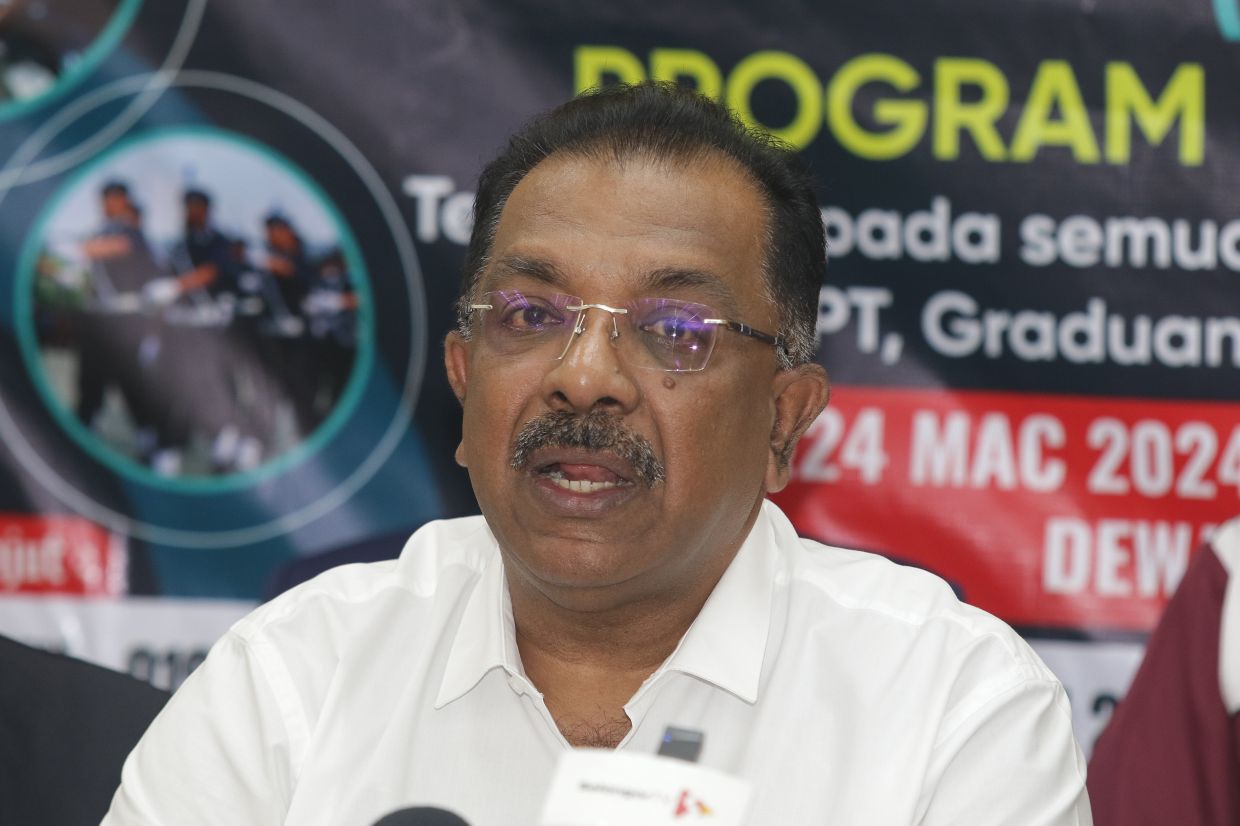
Selangor's rapid urbanisation is creating mounting tensions between infrastructure development and religious heritage preservation, prompting calls from within the state assembly for a more systematic approach to protecting non-Muslim places of worship. Sentosa assemblyman Gunaraj George raised the issue during a parliamentary debate at the Selangor state assembly sitting at Bangunan Dewan Negeri Selangor in Shah Alam on Wednesday, August 12, arguing that the state needs a structured mechanism to balance growth with community interests and religious freedom.
The assemblyman's intervention reflects a growing concern among Selangor's diverse communities, particularly as formerly rural areas transform into residential and commercial hubs. Many temples, churches, and other non-Muslim religious facilities have operated in these localities for decades, established with the consent of original landowners and integral to the spiritual and cultural fabric of their respective communities. Yet as property values soar and developers acquire adjacent land, the status of these long-standing institutions has come under scrutiny, with authorities increasingly labelling them as "illegal" structures despite their historical legitimacy.
Gunaraj emphasised that the current approach lacks nuance and fails to account for the genuine circumstances of these communities. Rather than rushing toward demolition or forced relocation—outcomes that often traumatise worshippers and destroy irreplaceable heritage—he advocated for a holistic evaluation that considers when and why these places of worship were originally established, the role they have played in their localities, and the needs of contemporary congregations. This perspective is particularly significant in Selangor, Malaysia's most populous state outside the federal territories, where religious diversity is both a demographic reality and a potential flashpoint if handled insensitively.
The core of Gunaraj's argument rests on a straightforward principle: development and religious harmony need not be mutually exclusive. He called on the state government, local authorities, property owners, developers, and religious management committees to establish a collaborative framework for addressing disputes before they escalate. Such a mechanism would allow stakeholders to discuss land ownership issues, planning constraints, safety concerns, and structural deficiencies through formal channels rather than allowing decisions to be made unilaterally by authorities without input from affected communities.
This approach carries significant implications for how Malaysian states manage religious affairs in an increasingly secular, market-driven environment. Selangor, as the nation's economic engine and home to multiple faith communities, has both the responsibility and opportunity to model best practices. The current ad-hoc approach—where individual temples or churches must fight through the courts or media to preserve their status—is inefficient, costly, and breeds mistrust between religious minorities and government institutions. A formalised mechanism would provide clarity, reduce conflicts, and signal to all communities that their religious heritage is valued.
Gunaraj's intervention also underscores a broader governance challenge in Southeast Asia's rapidly developing nations. As countries like Malaysia experience accelerated urbanisation, the tension between property rights, commercial interests, and cultural preservation intensifies. Without proactive institutional responses, marginalised communities often lose out. The fact that a state assemblyman felt compelled to raise this issue in formal debate suggests that current procedures are failing communities and that grassroots pressure for change is mounting.
The practical implementation of such a mechanism would require clear criteria for determining the legitimacy and heritage status of places of worship, transparent processes for evaluating relocation proposals, and adequate compensation frameworks where displacement is unavoidable. It would also necessitate genuine input from religious leaders and community representatives, not merely token consultations. Given Selangor's economic clout and political influence, establishing such a framework here could inspire similar initiatives across other Malaysian states facing analogous pressures.
Gunaraj's call also reflects a maturing understanding within Malaysia's political establishment that inclusive governance is not merely a moral imperative but essential for social cohesion and economic stability. Investors and talented professionals consider religious freedom and community respect when deciding whether to establish themselves in a location. States that are perceived as dismissive of minority religious concerns risk reputational damage and reduced competitiveness. Conversely, jurisdictions known for fair, transparent handling of such issues attract more stable, committed populations.
The challenge now lies in translating this parliamentary advocacy into concrete action. The Selangor state government must demonstrate genuine commitment by establishing inter-agency working groups, consulting widely with religious leaders and communities, and drafting clear guidelines that balance legitimate development needs with protection of established religious sites. Without follow-through, Gunaraj's speech risks becoming merely another well-intentioned but ultimately empty call for better governance.
Moreover, the mechanism must address not only temples but also churches, gurdwaras, and other non-Muslim places of worship, ensuring that protection is equitable and not perceived as favouring any particular faith community. This impartiality is crucial for maintaining the framework's credibility and effectiveness. Selangor's diverse population—comprising significant numbers of Hindu, Christian, Sikh, and Buddhist residents alongside the Muslim majority—demands nothing less than comprehensive, fair treatment.
Regional observers will be watching whether Selangor translates this advocacy into policy. Doing so would position Malaysia as a regional leader in managing religious pluralism within a developing economy, offering lessons for Indonesia, the Philippines, Thailand, and Vietnam as they grapple with similar tensions. Conversely, failure to act would reinforce perceptions that minority religious concerns remain marginal in Malaysian governance priorities despite occasional reassuring rhetoric.

