The Selangor government is making headway in its effort to formally recognise indigenous settlements across the state, with more than half of the 74 documented villages now undergoing the gazetting process. V. Papparaidu, the human resources and poverty eradication committee chairman, outlined the progress during an event in Hulu Selangor on August 15, expressing optimism that the initiative will yield tangible results before the calendar year closes. The gazetting of indigenous villages represents a crucial administrative step towards securing land rights and improving service delivery for these communities, many of which have historically operated in a state of official limbo.
The pathway to formal recognition has not been entirely straightforward for Selangor's indigenous populations. A significant complication arises from overlapping land designations, particularly where indigenous villages are situated on land classified as Malay reserves—a feature of Malaysia's constitutional framework that creates competing claims and administrative complexity. Papparaidu acknowledged this friction point directly, signalling the state's commitment to working through district administrators to untangle these zoning predicaments. This collaborative approach suggests recognition that solutions require coordination between multiple governmental layers and respect for the existing legal framework governing land classifications across the peninsula.
Beyond the immediate gazetting agenda, the Selangor administration is casting a wider net. Officials intend to continue pushing for the recognition of additional indigenous villages that do not yet appear on official listings, suggesting that the current inventory of 74 may represent an undercount of actual settlements. This expansion signals a shift towards more comprehensive mapping and documentation of indigenous presence across the state, potentially uncovering communities that have operated outside formal administrative recognition systems for generations. Such efforts, if successful, could establish a more complete picture of indigenous geography in Selangor and inform future policy interventions.
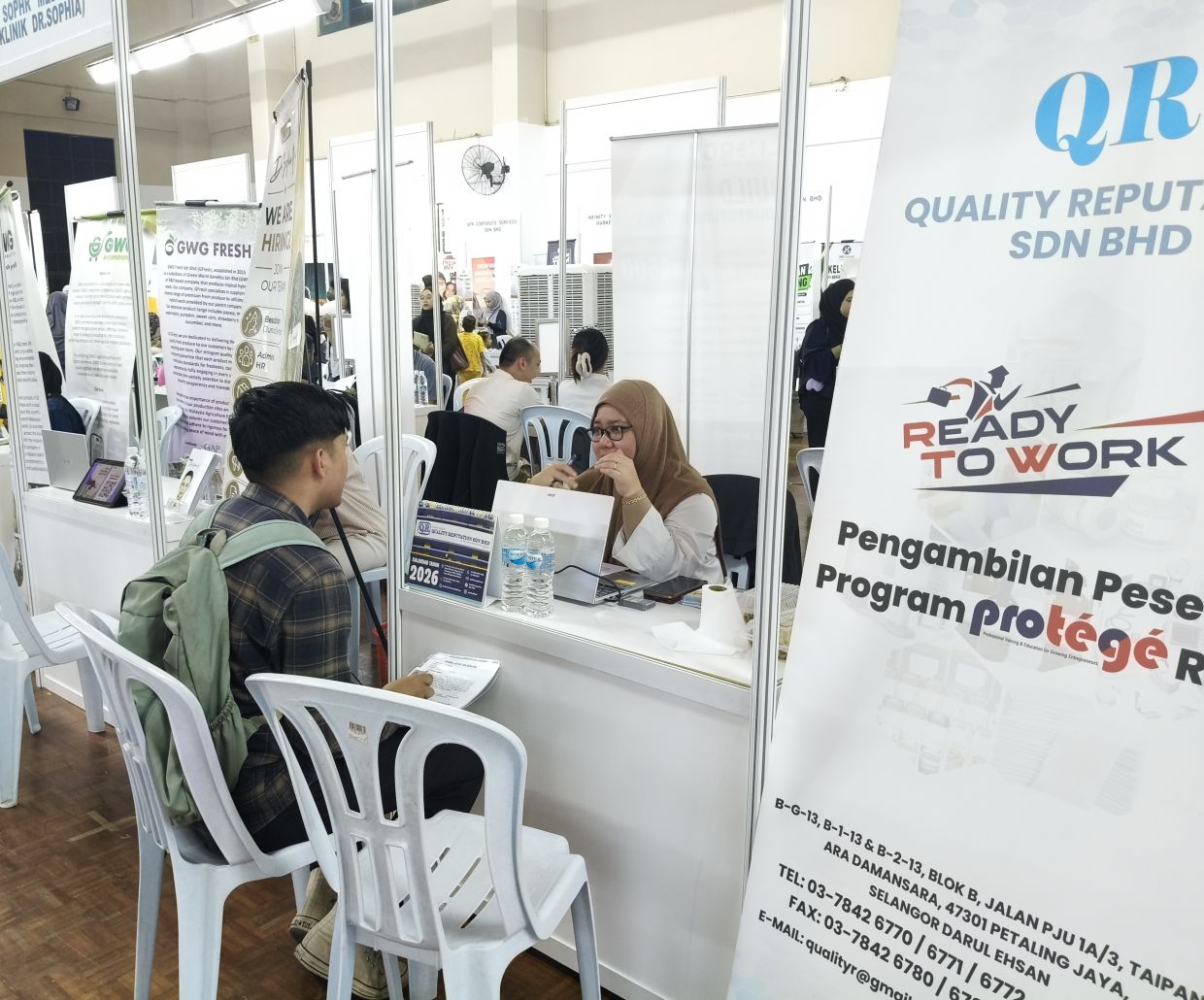
Parallel to the gazetting initiative, the state demonstrated its commitment to economic empowerment during the Jelajah Wanita Berdaya Tahan Selangor 2026 event held concurrently in Hulu Selangor. The JobCare Selangor carnival presented 5,785 employment opportunities from 38 participating companies, with the majority—5,005 positions—located within Selangor itself, while the remainder spanned into neighbouring Perak and Negri Sembilan. This regional employment ecosystem reflects the integrated labour markets that characterise Malaysia's central corridor, where workers from multiple states frequently cross borders for economic opportunity.
Manufacturing dominated the vacancy landscape, accounting for 2,560 of the available positions and underscoring the sector's continued significance as a primary employment generator in the region. Notably, the salary profile of advertised positions tilted towards the more generous end of Malaysia's wage spectrum, with 63.56 per cent of jobs offering monthly compensation exceeding RM2,500. For those aspiring to managerial responsibilities, employers extended offers ranging from RM8,000 to RM10,000 monthly, figures that position such roles firmly within Malaysia's upper-middle income tier and signal employer demand for experienced leadership.
The state government's parallel initiative to upskill younger Malaysians and retrain professionals represents a broader strategic investment in human capital. Through the Selangor Technical Skills Development Centre, the administration has been systematically equipping youth with technically relevant competencies aligned to labour market demands. Particularly compelling is the intervention targeting schoolteachers who entered the profession directly after completing their Form Five examinations without formal tertiary qualifications—a cohort numbering between 20 and 30 individuals who have now completed a three-month accelerated diploma-equivalent course through the state's initiative.
These teachers gained a Level 4 Malaysian Skills Certificate upon completion, credentials that function as equivalents to traditional diplomas within Malaysia's qualifications framework. The practical outcome of this reskilling effort is tangible: qualified educators now command higher salary packages, addressing a longstanding equity issue within the teaching profession. Papparaidu's observations highlight how systemic barriers—including family circumstances and immediate economic necessity—can push individuals into careers before they've secured foundational qualifications, and how targeted government intervention can subsequently correct such trajectories without displacing workers from their chosen fields.
The JobCare carnival itself functioned as more than a mere job-matching exercise. Participating organisations conducted live interview sessions, allowing applicants to progress directly from application to hiring conversations within a single venue. The event incorporated specialised support services including a talent comeback programme administered by Talent Corporation Malaysia Berhad, designed specifically to facilitate the re-entry of mothers into formal employment after career interruptions. Additionally, the Social Security Organisation provided resume review services, offering professional guidance on how to present work histories and competencies to prospective employers—a support mechanism that can prove invaluable for candidates navigating competitive hiring processes.
The simultaneous staging of the women's economic resilience jelajah (travelling roadshow) alongside the employment carnival reflects deliberate policy integration. Rather than treating women's economic participation as a separate concern, the Selangor administration positioned it within a broader labour market activation strategy. This approach acknowledges that sustainable economic empowerment requires both immediate job access and longer-term support mechanisms, from professional development through resume coaching to workplace re-entry pathways specifically calibrated to the circumstances of mothers returning to formal employment.
For Malaysian policymakers and regional observers, the Selangor experience offers instructive lessons about the multiplicity of economic challenges requiring simultaneous attention. Indigenous land security, youth skills development, professional retraining, women's labour force participation, and equitable salary progression across sectors cannot be addressed through isolated interventions. Instead, the state's integrated approach—combining administrative recognition of indigenous communities with targeted employment activation and skills investment—demonstrates how complementary initiatives can create cumulative impact. As Malaysia navigates post-pandemic economic recovery and long-term workforce demands, such coordinated strategies may offer a replicable model for other state administrations confronting similar demographic and economic pressures across the peninsula.

