The Selangor state government is making a fresh push to ensure that eligible non-pensioned veterans from the armed forces and police do not forfeit their Warriors' Day shopping vouchers, which carry a deadline of August 31. The appeal comes as officials noted surprisingly low participation rates in what was intended as a gesture of gratitude towards those who have served the nation but do not receive pensions.
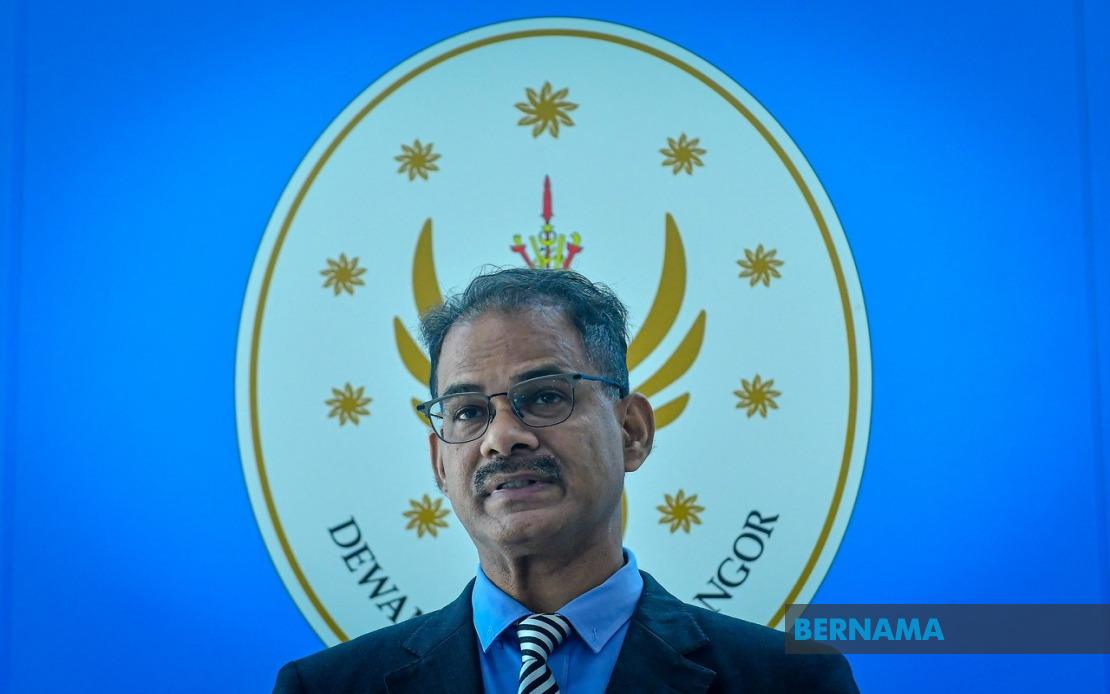
The RM200 vouchers, part of a larger initiative branded Jom Shopping, have attracted fewer than 600 claims since their launch on July 29, according to V. Papparaidu, who chairs Selangor's Human Resources and Poverty Eradication Committee. Against a potential pool of 8,391 eligible individuals identified through official records, this represents barely six percent uptake in the first week—a rate that prompted state authorities to take stock of why so many veterans remain unaware of or disconnected from the programme.
The root causes for such sluggish participation appear multifaceted. When state officials attempted to reach out directly to prospective claimants using contact information from the Department of Veterans Affairs and Royal Malaysia Police records, they encountered a familiar problem facing government outreach efforts: outdated details. Many veterans had changed their telephone numbers, relocated, or otherwise moved beyond the addresses and communication channels the authorities held. This communication gap underscores a broader challenge facing welfare initiatives aimed at dispersed populations—ensuring those most in need are actually reached.
In response, Selangor has moved to simplify and liberalise the claim process. Officials have eliminated the need for formal applications, shifting instead to a system where eligible recipients need only verify their standing through their respective State Legislative Assembly service centres. More significantly, the government has relaxed eligibility verification to allow family members or representatives to collect vouchers on behalf of the named veterans. This pragmatic adjustment acknowledges that many servicemen and former officers, whether through age, health, relocation, or other circumstances, may face barriers to claiming benefits in person.
The financial scope of the programme reflects genuine commitment: RM1.7 million in total voucher allocation distributed across the state. While this sum may appear modest in the context of state budgets, its per-capita impact is meaningful for individual beneficiaries. Each RM200 voucher can be redeemed at participating supermarket chains for essential household goods, with the notable restriction that purchases of cigarettes and alcoholic beverages are excluded. This limitation suggests a deliberate attempt to channel support towards genuine daily necessities rather than discretionary spending.
For Malaysian readers accustomed to government benefit programmes, the Selangor initiative reflects a broader regional trend of honouring veteran populations through targeted financial assistance. Unlike pension-based systems that provide recurring income to retired service members, shopping vouchers represent a more contemporary approach—periodic, consumable, and oriented towards immediate cost relief. This approach has gained traction across several Malaysian states and territories seeking to demonstrate tangible appreciation for veterans while managing fiscal constraints.
The programme's mechanics reveal careful design, if uneven execution. Rather than requiring veterans to navigate complex application forms and verification processes, eligibility determinations were handled entirely through official channels. The Department of Veterans Affairs and Royal Malaysia Police submitted verified lists to Selangor's Economic Planning Unit, which then crosschecked records and distributed information to service centres. In theory, this administrative architecture removes friction from the claiming process. Yet the six percent participation rate suggests that streamlined procedures alone cannot overcome the challenge of reaching a scattered, sometimes hard-to-contact population.
The August 31 deadline introduces urgency, though the brief window raises questions about whether late publicity can meaningfully boost claims. Veterans who remain unaware of the programme's existence or terms will have limited time to verify eligibility and collect vouchers. For those who do come forward in the final weeks, the expedited timeline could create bottlenecks at service centres, particularly if many applicants arrive simultaneously.
Beyond the immediate administrative picture lies a deeper reflection on how governments engage with veteran populations. Non-pensioned veterans represent a particular vulnerability—individuals who have served but fall outside the social security structures that support their pensioned counterparts. These may include short-service personnel, those who took voluntary discharge, or individuals whose service predates comprehensive pension schemes. Targeted initiatives like the Warriors' Day vouchers acknowledge their contribution while remaining fiscally sustainable through periodic rather than permanent commitments.
For Selangor specifically, the push to maximise voucher uptake carries political dimensions. Clear demonstration that benefits reach intended recipients strengthens the state government's narrative around welfare delivery and veteran care. Conversely, significant unclaimed allocations could invite criticism about poor outreach or misalignment between policy design and actual needs. The decision to extend claiming permissions to family members signals responsiveness to practical barriers, even as the relatively thin uptake invites questions about whether such initiatives are adequately advertised before launch.
Service centres have become the crucial ground-level infrastructure through which the programme operates. These centres, staffed by state legislative assembly personnel, serve as the interface between bureaucracy and beneficiary. Their success in processing late-stage claims, combined with their ability to explain eligibility criteria to uncertain veterans, will largely determine whether the programme achieves meaningful reach in its final month. Veterans uncertain about their status should contact their respective service centres rather than assuming ineligibility.
The broader context matters too. Malaysia's veteran population spans multiple generations and service branches, with varying awareness of available benefits. Some, particularly older personnel or those from earlier military cohorts, may lack familiarity with digital outreach or online verification processes. Others may be sceptical about government programmes based on past experience. Building trust and accessibility requires not just streamlined procedures but genuine, personalised communication—a challenge that fixed deadlines and paper-based eligibility lists cannot fully address.

