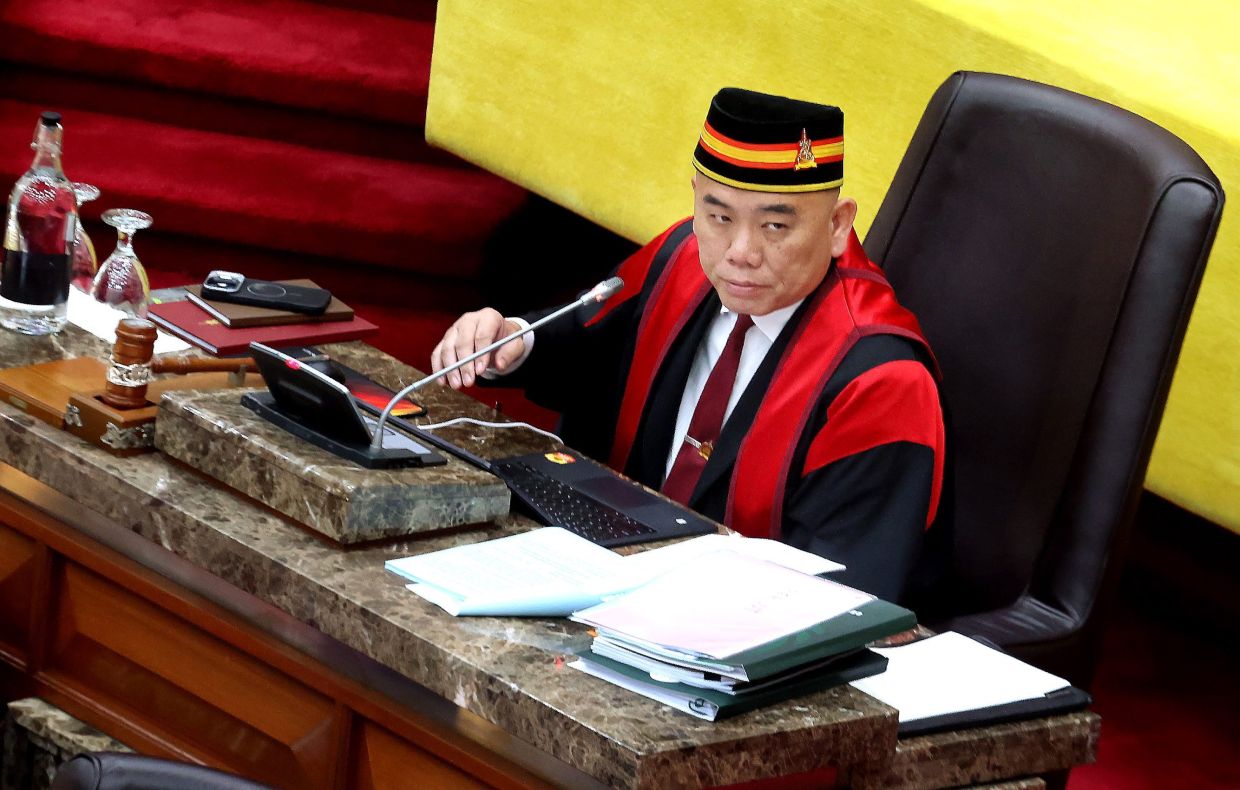
Authorities in Selangor are actively investigating allegations that a state assemblyman has been declared bankrupt, Speaker Lau Weng San revealed during Monday's sitting at Bangunan Dewan Negeri Selangor. The speaker chose to maintain strict confidentiality regarding the legislator's identity, signalling a methodical approach to what constitutes a potentially serious constitutional matter in the state's parliament.
Lau emphasised that the investigation remains incomplete and that disclosure of additional details would be premature. The inquiry will cast a wide net, examining multiple dimensions of the case including involvement of all relevant parties, the assemblyman's constituency operations, and any other pertinent factors that emerge during the process. This comprehensive approach suggests the authorities are taking the matter seriously and seeking to establish a complete factual record before reaching conclusions.
The Speaker's reluctance to confirm specific identities underscores the sensitivity surrounding the investigation. Lau told reporters that he had not yet verified which lawmaker was involved, despite apparent knowledge of allegations within the assembly. This cautious stance reflects standard investigative protocols and protects the individual's reputation should the allegations prove unfounded or mischaracterised.
Responding to speculation about whether the legislator in question may have been conspicuously absent from Monday's proceedings, Lau noted that assemblymembers have legitimate reasons for missing sittings beyond disciplinary concerns. Medical leave, official duties, and other approved absences account for many instances of non-attendance and cannot be viewed as indicators of constitutional violations or personal crises.
A critical constitutional threshold exists in Selangor that protects representatives from automatic dismissal through administrative action. Under the state's constitutional framework, a Speaker can only declare an assemblyman's seat vacant if the member consecutively fails to attend sitting sessions for six months without providing formal notification or receiving official permission. This safeguard prevents arbitrary removal and ensures lawmakers retain their positions unless they genuinely abandon their duties through prolonged, unjustified absence.
Lau cited a precedent from Batang Kali constituency to illustrate how this mechanism operates in practice. Former assemblyman Harumaini Omar's seat was vacated on February 16, 2023, following more than half a year of unexcused non-attendance. That case demonstrates that the six-month threshold is enforced and that the Speaker acts when constitutional conditions are met, though it represents an extreme circumstance rather than a regular occurrence.
The practical consequence of confirmed bankruptcy allegations hinges on constitutional interpretation and electoral law. Should the investigation substantiate the claims, responsibility for determining next steps falls to the Election Commission rather than the state assembly. Malaysia's federal electoral body must decide whether the lawmaker's position triggers a mandatory by-election under relevant provisions of electoral legislation.
Lau declined to project when conclusions might be announced, stressing that rushing determinations would be inappropriate. The investigation requires thoroughness and cannot proceed according to an artificial timeline. Building a solid evidentiary foundation takes priority over speed, reflecting governance best practices and the serious consequences that flow from findings in this matter.
The Speaker's insistence on proceeding carefully resonates with broader constitutional principles protecting elected representatives. While bankruptcy allegations demand investigation, premature announcements or half-formed judgements could damage a lawmaker's standing unfairly. The commitment to verification before disclosure acknowledges this tension between accountability and individual protection.
For Selangor's political system, the outcome carries institutional weight. If bankruptcy is confirmed and triggers a by-election, the state's representation in that constituency would shift during the parliamentary term. Such transitions affect legislative dynamics, constituency services, and voter confidence in the assembly. The investigation's findings will thus reverberate through the state's political environment.
This episode illustrates how Malaysia's constitutional framework handles situations where lawmakers face personal legal or financial difficulties. Rather than immediate removal or public speculation, the system provides investigative processes that verify allegations before triggering formal consequences. That approach aims to balance representative democracy's need for integrity with individual rights and due process.

