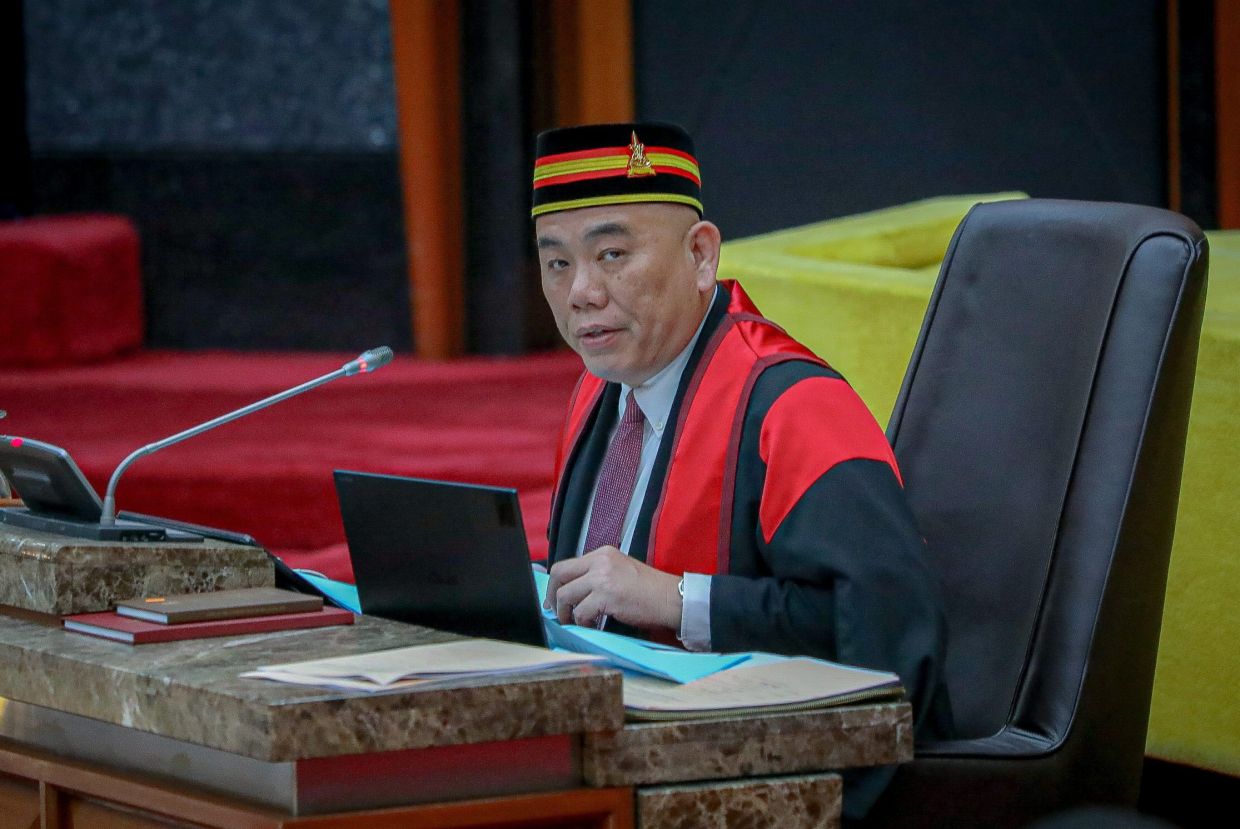
The prospect of by-elections disrupting Selangor's political landscape has been firmly dismissed by state Speaker Lau Weng San, who announced on Thursday that a thorough examination of all assemblymen across all parties has uncovered no circumstances warranting any seat vacancies. The declaration effectively closes a chapter of speculation that had gripped political circles following an earlier bankruptcy order against a state representative, only to have that order subsequently overturned by the High Court.
Lau outlined the rigorous nature of the review conducted through August 10, emphasising that the investigation extended comprehensively across the entire Selangor State Assembly membership without exception. His statement at a press conference held during the assembly sitting underscored that the examination had been exhaustive in scope, touching upon every conceivable aspect that might trigger a forced resignation or automatic vacancy. This methodical approach, he noted, had involved all assemblymen and spanned representatives from every political party represented in the legislature.
The timing of Lau's confirmation proves particularly significant for Selangor, Malaysia's most populous state and economic powerhouse. By-elections at the state level can consume considerable financial resources and administrative attention, potentially disrupting governance priorities. The speculative atmosphere that had characterised recent weeks stemmed largely from the bankruptcy proceedings initiated against an unnamed assemblyman, a situation that under Malaysian constitutional law can automatically vacate a legislator's seat. The High Court's subsequent decision to set aside that bankruptcy order effectively removed the immediate trigger for electoral proceedings, but lingering uncertainties persisted until Lau's categorical statement.
Beyond resolving the by-election question, the Speaker addressed longstanding concerns about assembly attendance patterns. Lau announced that a roster identifying assemblymen with poor attendance records would be made public through social media channels, introducing a measure of transparency regarding legislative participation. This step reflects growing expectations among constituents and observers that elected representatives should maintain consistent presence during assembly proceedings, particularly given the relatively limited schedule of state legislative sessions.
The attendance issue resonates beyond mere procedural considerations. Selangor's state assembly convenes approximately three times annually, with each session running roughly two weeks or less. Given this compressed calendar, assemblymen who miss sittings forfeit opportunities to raise constituent grievances, receive government responses to queries, submit legislative proposals, and remain informed through executive addresses. Lau articulated this calculus pointedly, suggesting that legislators who absent themselves effectively diminish their legislative utility.
Lau outlined reasonable protocols for managing legitimate absences. Assemblymen requesting leave should submit written documentation to the secretariat, a standard practice across most legislatures. He cited the Bandar Baru Klang representative as an illustrative example, noting that this legislator had appropriately sought leave following surgical procedures and medical advice to rest. While acknowledging that no legal requirement mandates prior notification to the secretariat for absences, Lau stressed that the missed opportunities associated with non-attendance carry genuine political and constituent-service costs.
Typically, the Selangor assembly experiences between three and five absent members at any given sitting, according to Lau's observations. Rather than imposing punitive measures, his approach emphasises voluntary compliance and professional responsibility. He suggested that executives might selectively decline to respond to questions submitted by absent assemblymen, reserving time instead for members physically present in the chamber. This incentive structure, while gentle, nevertheless signals that presence carries practical advantages for legislators seeking to advance their constituents' interests.
Lau pressed assemblymen to exercise discipline in scheduling their non-legislative commitments around assembly sessions. Constituency events, administrative meetings, and discretionary appointments should be timed to avoid clashing with the assembly calendar. He acknowledged limited exceptions, such as funerals requiring immediate family participation, but otherwise advocated for prioritising legislative duties. The Speaker's emphasis on scheduling responsibility speaks to broader governance expectations in a modern, functioning legislature.
Interestingly, Lau clarified that attendance definitions remain flexible. Even assemblymen arriving late to sessions register as present provided they participate in any portion of the proceedings. This practical interpretation accommodates reasonable transportation delays and unforeseen circumstances while still encouraging timely arrival. The lateness provision demonstrates that the Speaker's framework aims to encourage participation rather than enforce rigid compliance through punitive mechanisms.
The financial dimension of assembly participation also warrants consideration. Lau confirmed that assemblymen receive attendance allowances of RM200 for morning sessions and RM150 for afternoon sessions. These modest payments function less as significant income supplements and more as recognition of the time commitment demanded by legislative service. For representatives with limited financial resources, however, even these amounts carry relevance.
Lau's comprehensive statement reflects the mature governance approach increasingly expected of Malaysian state assemblies. By addressing the by-election speculation with definitive reassurance, publicising attendance shortfalls, and articulating clear expectations around legislative participation, the Selangor Speaker has attempted to elevate standards for responsible representation. His framework neither employs heavy-handed discipline nor permits unlimited flexibility, instead seeking to cultivate professional norms around legislative service.
For Selangor constituents and broader Malaysia, the affirmation that all assemblymen retain their seats provides governmental stability and continuity. The state's critical role in driving national economic growth and serving as an incubator for policy innovation makes maintaining steady legislative leadership particularly important. The Speaker's parallel emphasis on attendance standards and transparency signals that improved governance practices can coexist with political stability, potentially setting standards for other state legislatures across the federation.

