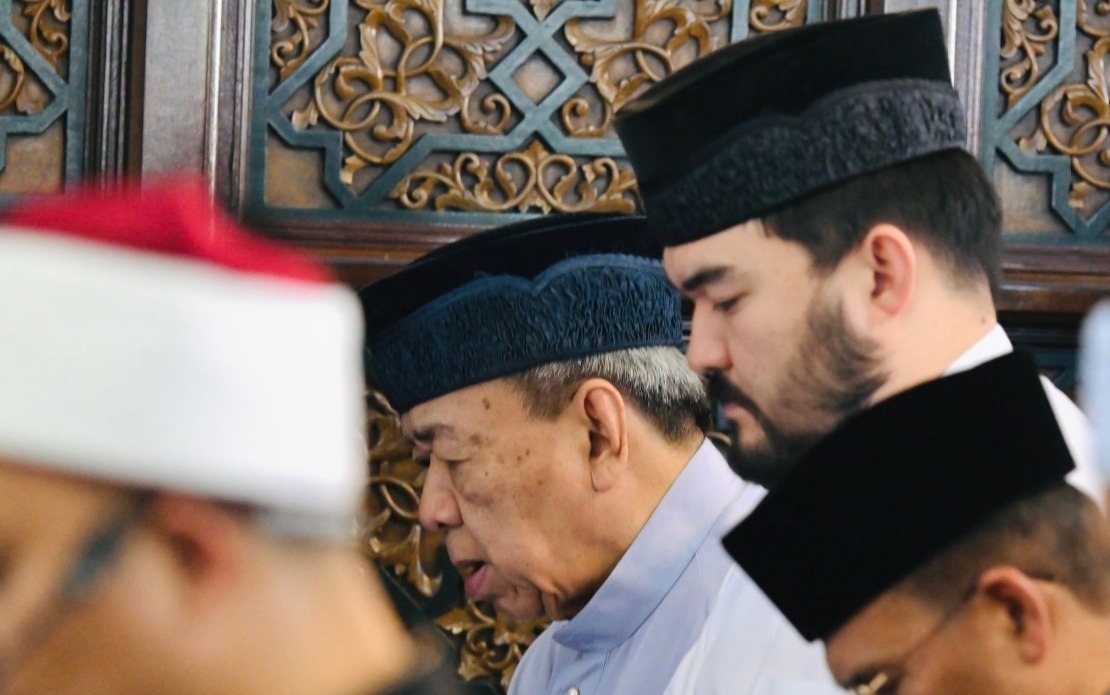
Sultan Sharafuddin Idris Shah has issued a timely appeal to the Muslim community in Selangor, calling for greater compassion and ethical treatment of animals as part of their religious duties. Speaking through an official statement from the Selangor Royal Office, the Ruler underscored that Muslims must consistently practise goodness towards all living creatures, encompassing domestic strays, wild animals, and the broader fauna that shares our environment. The message was delivered in conjunction with Friday sermons held throughout Selangor on the topic of "Ihsan Terhadap Mahkluk Allah SWT," which translates to compassion towards the creatures of Allah, reinforcing that such conduct remains fundamental to Islamic belief and practice.
Central to the Sultan's message is the concept of human stewardship over the natural world. As inhabitants of the earth, Muslims bear a significant obligation to safeguard, nurture, and manage the environment responsibly—a duty that extends beyond human welfare to encompass all living beings and natural resources. This holistic view of environmental management reflects Islamic teaching that treats the earth and its inhabitants as interconnected parts of Allah's creation. The Sultan emphasised that all creatures, plants, landscapes, waters, and ecosystems represent manifestations of divine greatness and therefore warrant protection and preservation by those entrusted with their care.
The relationship between humans and other creatures, according to the Ruler's statement, must be grounded in twin principles of compassion and accountability. This framework suggests that Islamic ethics does not permit arbitrary or cruel treatment of animals, regardless of their practical utility to humans. The Sultan drew attention to the historical example of Prophet Muhammad, whose teachings and actions consistently demonstrated that kindness towards animals constitutes a significant aspect of Islamic conduct. Traditional Islamic jurisprudence explicitly requires that animals receive adequate food, water, and shelter, while expressly forbidding deliberate harm or unnecessary suffering—standards that remain relevant across contemporary Malaysia.
However, the Sultan recognised that animal compassion cannot exist in absolute isolation from human safety and security concerns. He clarified that circumstances arise in which wildlife may pose genuine threats to public welfare or inflict economic damage through crop destruction, property damage, or disease transmission. In such scenarios, Islamic law permits preventive measures to mitigate these harms, provided such actions align with the Maqasid Syariah—the overarching objectives of Islamic jurisprudence. These objectives prioritise the protection of human life, property, and livelihoods, establishing a framework within which difficult decisions regarding wildlife management can be made with religious legitimacy.
The Sultan's message carries particular significance for Malaysia, where rapid urbanisation continues to bring human populations into closer and sometimes confrontational contact with wildlife. States including Selangor face ongoing challenges with encounters between residents and animals ranging from monitor lizards and snakes to wild boars and even occasional big cats. Rather than framing animal welfare and human safety as opposing concerns, the Ruler presented them as complementary values that coexist within Islamic ethics. This nuanced perspective offers valuable guidance for policymakers and community leaders navigating contentious wildlife management decisions, from urban animal control programmes to conservation initiatives in rural areas.
The appeal also carries implications for religious education and community consciousness. By positioning animal welfare as a moral and spiritual responsibility rather than merely a pragmatic or sentimental concern, the Sultan's statement encourages mosques, religious teachers, and community organisations to incorporate environmental stewardship and animal ethics into their regular messaging and programming. This institutional reinforcement of the message—through Friday sermons delivered at mosques throughout Selangor—ensures that the principle reaches believers during their most regular spiritual engagement and creates space for religious reflection on these issues.
Moreover, this stance reflects broader global trends within Islamic thought that emphasise environmental responsibility and animal rights as intrinsic rather than peripheral to faith. Major Islamic organisations and scholars internationally have increasingly articulated detailed positions on climate change, biodiversity loss, and humane treatment of animals, recognising these issues as consonant with rather than contrary to Islamic values. The Sultan's pronouncement aligns Malaysia with this evolving consensus, strengthening the religious and moral foundations for environmental and animal welfare policies at both state and national levels.
The practical implications extend to various stakeholder groups within Selangor and beyond. Animal welfare organisations can leverage the Sultan's statement in advocacy efforts, citing royal endorsement for improved standards in animal shelters, pet care regulations, and treatment of strays. Municipal authorities and environmental agencies gain religious backing for wildlife management protocols that prioritise humane methods when intervention becomes necessary. Religious schools and Islamic education programmes acquire clear royal direction for curriculum development around environmental ethics. Simultaneously, hunters, farmers, and others whose livelihoods occasionally conflict with wildlife interests can take reassurance from the acknowledgement that Islam permits protective measures when animals genuinely threaten welfare or property.
The Sultan's intervention also addresses a sometimes-overlooked dimension of Islamic practice in contemporary Malaysia. While major moral issues command substantial public and religious discourse, animal welfare often receives less consistent attention despite strong traditional sources within Islamic jurisprudence. By elevating this topic through official royal channels and linking it explicitly to broader Islamic principles, the Ruler creates permission and encouragement for communities to engage more seriously with these questions. This can catalyse conversations about practical improvements, from stray animal management programmes to wildlife corridor protection.
Looking forward, this call carries potential ramifications for policy development throughout Selangor and potentially beyond, as other states and federal authorities consider how to integrate explicit animal welfare and environmental stewardship into their governance frameworks and public communication. The Sultan's framing—that compassion and responsibility constitute Islamic obligations and expressions of devotion—provides a values-based justification for investment in animal welfare infrastructure and environmental protection that transcends purely utilitarian arguments. For a multi-religious Malaysia, moreover, such statements from religious leaders affirm that environmental and animal ethics remain bridges connecting citizens across faith traditions, since compassion towards creatures represents a value transcending doctrinal boundaries.

