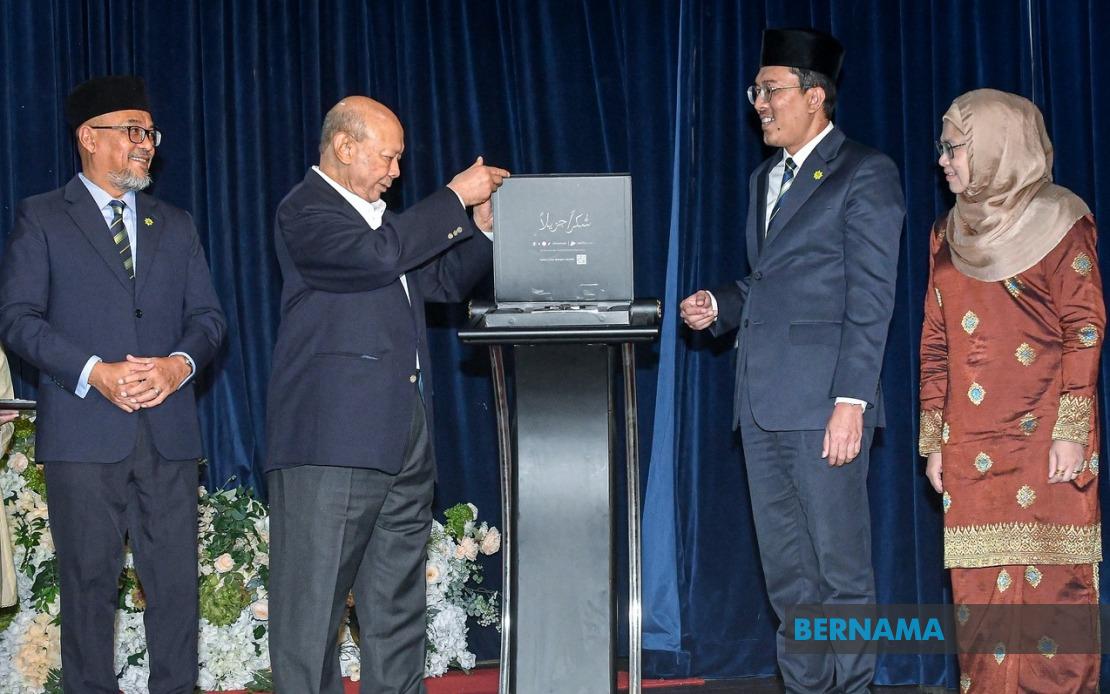
The Selangor Zakat Board introduced IKTIRAF on July 7, a groundbreaking certification framework designed to acknowledge Malaysian companies and organisations that demonstrate sustained commitment to fulfilling their business zakat responsibilities. This marks the first time Malaysia has established an official recognition system specifically tailored to honour corporate zakat payers, positioning the certification as a parallel to the established halal certification landscape that consumers increasingly rely upon when making purchasing decisions.
Chief executive officer Mohd Khaidzir Shahari articulated the initiative's broader ambition during the launch at the Gemerlapan Rakan Strategik Zakat Selangor (GRASIAZ) 2026 event in Shah Alam. The programme seeks to elevate corporate consciousness regarding business zakat obligations whilst simultaneously positioning zakat compliance as an integral component of modern corporate governance and social responsibility frameworks. By embedding Islamic principles into business operations through formal recognition, IKTIRAF attempts to shift zakat from a peripheral obligation to a central element of organisational identity and public messaging.
Participating companies receive tangible credentials including an e-Certificate and e-Label featuring unique serial numbers that businesses can prominently display across physical products, office premises, and digital marketing campaigns. This visibility mechanism proves crucial to the initiative's effectiveness—by making zakat compliance visibly recognisable to consumers, IKTIRAF creates a competitive advantage for compliant enterprises. The public verification component, accessible via QR codes linked to corporate participation status, establishes transparency and allows consumers to authenticate claims independently, thereby building trust in the certification system itself.
Mohd Khaidzir drew explicit parallels between IKTIRAF and halal certification, noting that consumers encountering the IKTIRAF logo gain immediate assurance that the business actively fulfils Islamic financial obligations. This branding strategy leverages existing consumer familiarity with halal certification protocols whilst expanding recognition beyond food and pharmaceutical sectors into general commerce. For Muslim consumers concerned with supporting ethically-aligned businesses, the certification provides a readily identifiable marker of corporate Islamic responsibility.
The board's inaugural target encompasses approximately 1,000 existing business zakat contributors within the first operational year. However, Mohd Khaidzir emphasised that numerical metrics remain secondary to substantive awareness-building and voluntary participation. This philosophical positioning reflects sophisticated understanding of Islamic financial principles—zakat derives legitimacy from sincere intention and consistent practice rather than bureaucratic compliance or enforcement mechanisms. Rushing expansion, the CEO suggested, would undermine the foundational purpose of cultivating genuine corporate commitment to zakat principles.
The engagement strategy prioritises dialogue with corporate shareholders and boards of directors, recognising that meaningful zakat adoption requires institutional buy-in at decision-making levels rather than superficial compliance. This stakeholder approach acknowledges that companies maintaining consistent zakat payment patterns demonstrate board-level understanding and commitment, distinguishing genuine practitioners from those making occasional donations. By focusing on sustained participation rather than one-time contributions, IKTIRAF encourages the development of permanent zakat management infrastructure within organisations.
During the launch ceremony, Zakat Selangor formally presented recognition plaques to eligible organisations already participating in the Business Zakat and Salary Deduction Scheme categories. These presentations celebrated existing contributors whilst establishing social prestige and peer recognition for zakat compliance. For participating companies, public acknowledgement at formal government events generates goodwill within Muslim communities and demonstrates alignment with Islamic values to both consumers and stakeholders.
The initiative arrives amid broader discussions across Southeast Asia regarding Islamic finance integration into mainstream commerce. Malaysia's established position as a global Islamic finance centre creates natural opportunities for innovation in zakat administration and public recognition. IKTIRAF extends this leadership by creating a replicable framework potentially adaptable to other states and organisations seeking standardised zakat recognition mechanisms. The system's success in Selangor could influence zakat boards throughout Malaysia and neighbouring countries seeking comparable certification structures.
For businesses, IKTIRAF certification offers tangible marketing advantages beyond religious obligation fulfilment. Companies displaying the logo communicate commitment to Islamic principles, potentially attracting religiously-conscious consumers and securing advantageous positioning within Muslim-majority markets. This alignment of commercial interest with religious duty creates sustainable incentives for participation—companies benefit competitively through certification whilst Islamic institutions benefit from expanded zakat collection and corporate engagement.
The Selangor Zakat Board's approach reflects evolving perspectives on zakat administration in contemporary Malaysia. Rather than purely enforcement-oriented collection strategies, the board recognises that voluntary participation strengthened through recognition and peer influence generates both higher compliance rates and deeper institutional integration of Islamic financial principles. By creating visible, verifiable certification, IKTIRAF transforms zakat from an abstract obligation into a tangible competitive advantage and identity marker for participating enterprises.

