The Festival Turath Islami Selangor, which has gained considerable momentum over the past three years, is expanding beyond state boundaries to become a nationally significant gathering of Islamic scholarship. Beginning this September, the festival will operate under its new designation as Festival Turath Islami Malaysia 2026, marking a pivotal transition that reflects the programme's growing influence and the federal government's commitment to promoting Islamic intellectual heritage across the country.
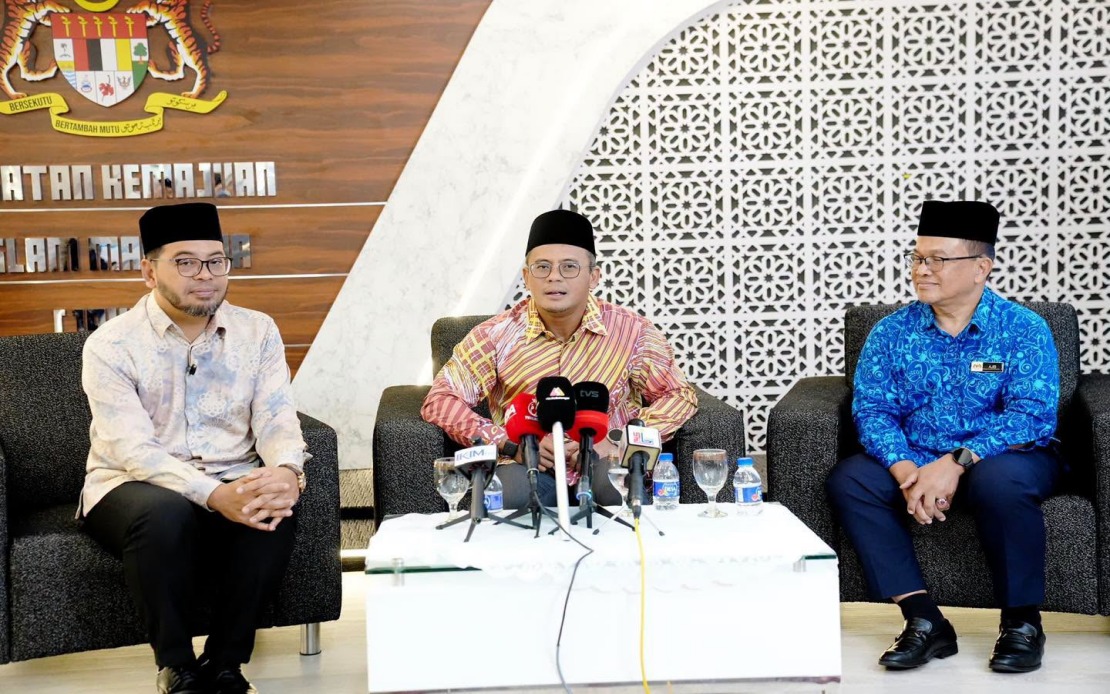
Selangor Menteri Besar Datuk Seri Amirudin Shari announced the elevation at a media briefing in Putrajaya, confirming that the eight-day event will commence on September 13 with its primary venues shifting from Selangor's state mosque to the Putra Mosque in Putrajaya. This logistical repositioning underscores the festival's transformation from a state-level initiative into a platform of national consequence. The relocation to the nation's capital provides greater accessibility for scholars and participants from across Malaysia and reinforces the federal government's role in championing the preservation and study of Islamic classical texts.
The expansion represents a partnership between the Selangor State Government and the federal government through the Prime Minister's Department (Religious Affairs), with Minister Dr Zulkifli Hasan overseeing the collaboration. This intergovernmental approach demonstrates a unified vision for promoting Islamic scholarship at the highest levels of Malaysian governance, positioning the festival as a strategic initiative rather than merely a cultural or religious observance.
Central to this year's edition is the thematic focus on "Hikmah Warisan Islam," with particular emphasis on Al-Hikam al-Ata'iyyah, a seminal work by the medieval Islamic scholar and Sufi luminary Ibn Ata-illah As-Sakandari. This classical text, which explores profound spiritual concepts including sincerity, trust, and the divine relationship, has profoundly influenced Islamic scholarly discourse across centuries and remains foundational to Sufi intellectual traditions throughout the Malay-speaking world. The selection of this particular work reflects a deliberate strategy to ground contemporary Islamic discourse in established intellectual foundations while making these teachings relevant to modern audiences.
Since its inception in 2023, the festival has followed a carefully curated trajectory through Islamic scholarship's most respected classical works. The inaugural edition examined Ihya' 'Ulumuddin by Imam Al-Ghazali, followed by engagement with Al-Arba'in al-Nawawiyah by Imam al-Nawawi and Tafsir al-Jalalain by Imam Jalaluddin al-Suyuti. This progressive approach ensures that participants develop comprehensive understanding of Islamic heritage while establishing intellectual continuity across successive festivals.
The 2026 edition will convene an impressive roster comprising 23 local and international scholars, representing a significant expansion in intellectual firepower. Distinguished participants include Sheikh Dr Ali Jum'ah, a globally recognised Islamic authority, alongside Malaysian-based luminaries such as Prof Dr Sayyid Idris al-Fasi al-Fihri, Ustaz Dr Adi Hidayat, Ustaz Wadi Annuar, and Selangor Mufti Datuk Setia Dr Haji Anhar Haji Opir. Across more than 42 structured scholarly sessions, these experts will deliver lectures, lead discussions, and facilitate dialogues addressing both classical Islamic texts and contemporary challenges facing Muslim communities.
Beyond formal academic sessions, the festival programme encompasses diverse interactive and devotional activities designed to broaden appeal and deepen engagement. These include Kuliah Subuh morning lectures, multi-day Dalail al-Khairat Qur'anic recitations, and intensive Talaqqi Kitab Al-Hikam study circles spanning five consecutive days. Additional programming features a Tausiah Perdana keynote address, ceremonial Qasidah performances, and a dedicated Islamic Book Festival, ensuring the event balances scholarly rigour with spiritual and cultural enrichment.
A particularly significant innovation for the 2026 iteration is the inaugural National Muzakarah Ulama Turath, a formal gathering of Islamic scholars representing diverse states and intellectual traditions across Malaysia. This convocation aims to strengthen collaborative intellectual networks among Malaysia's ulama whilst creating structured forums for discussing contemporary challenges confronting Muslim societies. The Muzakarah model, rooted in Islamic consultative traditions, provides an institutional framework for translating classical wisdom into practical responses to modern dilemmas, positioning the festival as a nexus for both preservation and application of Islamic knowledge.
For Malaysian participants and international observers, this elevation signals the government's strategic prioritisation of Islamic heritage preservation as integral to national development. The festival's emphasis on classical texts and scholarly rigour counters reductive interpretations of Islamic knowledge while positioning Malaysia as a serious centre for Islamic intellectual discourse. By investing in such platforms, policymakers acknowledge that robust scholarly traditions strengthen religious understanding, cultivate informed citizenry, and potentially inoculate communities against simplistic or extremist framings of Islamic teaching.
The expansion also carries implications for Southeast Asia's broader Islamic scholarly landscape. Malaysia's prominence in Malay-Islamic intellectual history positions it naturally as a convening power for regional scholars interested in classical texts, many of which remain influential across Indonesia, Brunei, and other communities where Islamic jurisprudence and Sufism maintain significant cultural salience. By hosting a festival of this calibre, Malaysia reinforces its role as a custodian of shared Islamic heritage whilst creating opportunities for cross-border scholarly exchange.
For Malaysian civil society and students of Islamic studies, the festival presents unprecedented opportunity for direct engagement with leading contemporary scholars addressing timeless Islamic texts. The combination of international expertise with domestic scholarship ensures that discussions remain rooted in local contexts whilst benefiting from global intellectual currents. Such forums ultimately contribute to cultivating a generation capable of engaging authentically with Islamic tradition whilst navigating modernity's complexities.
The Festival Turath Islami Malaysia 2026 thus represents more than a nomenclatural upgrade or geographical relocation. It exemplifies institutional commitment to intellectual pluralism within Islamic discourse, the value placed on classical scholarship in contemporary governance, and recognition that cultural and religious heritage constitutes genuine national asset worthy of sustained investment. As the festival commences in September, it will offer Malaysia and Southeast Asia an occasion to reconnect with foundational Islamic intellectual traditions whilst demonstrating how such engagement remains vital to addressing present-day challenges.

