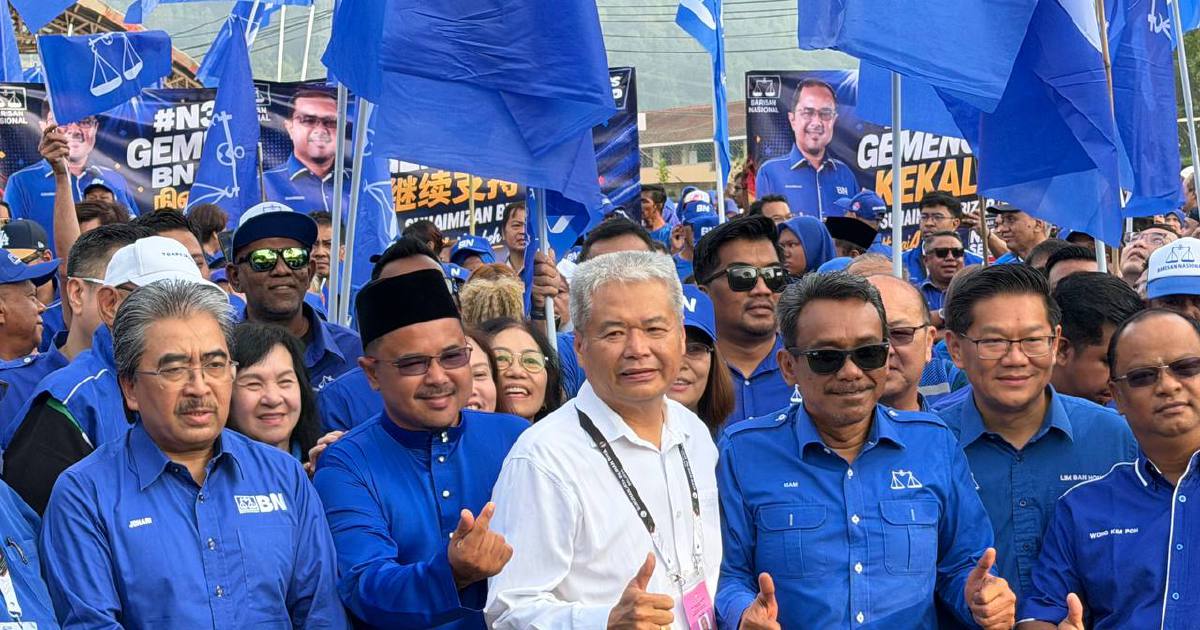
High-ranking Umno officials descended on the Tampin nomination centre to signal the coalition's organisational readiness for the Negri Sembilan state election, underscoring efforts to present a unified front heading into a critical electoral contest. Datuk Seri Johari Abdul Ghani, the party's vice-president, and Datuk Seri Tengku Adnan Tengku Mansor, who holds the position of party treasurer, made the journey to Dewan Perdana Tampin to demonstrate their personal backing for Barisan Nasional hopefuls.
The presence of these senior figures reflects the coalition's strategy of deploying established party machinery and respected leadership to reinforce candidate campaigns across constituencies. By appearing alongside candidates during the nomination process—a symbolically significant moment when aspirants formally register their candidacy—the Umno leadership sought to project confidence and institutional support at a stage when many voters begin paying closer attention to electoral contests.
Tampin, located in Negri Sembilan, represents one of the state's key battlegrounds. The nomination centre visit illustrates how major party figures allocate their time and resources to constituencies deemed strategically important, whether because they are marginal seats vulnerable to opposition challenge or strongholds requiring reinforcement against complacency. Such visible commitments by national-level officials typically amplify local candidate visibility and communicate to party members that the centre regards these contests as priorities.
The Negri Sembilan state election carries particular significance within Malaysia's broader political landscape. As a state with a mix of urban and rural constituencies, it often mirrors national sentiment and can serve as an early indicator of voter mood. The personal involvement of Umno's vice-president and treasurer signals that party leadership views the contest seriously and is prepared to dedicate resources to ensure competitive performances across multiple seats.
Tengku Adnan's role as party treasurer carries additional weight, as financial and organisational capacity directly determine a party's ability to conduct effective ground campaigns. His appearance suggests that the party's operational infrastructure is mobilised and candidates can expect tangible support in terms of campaign resources, messaging coordination, and voter outreach programmes. The treasurer's participation often signals to candidates that proper financial backing is forthcoming, which can boost morale among campaign teams.
Johari Abdul Ghani's presence as vice-president demonstrates the party's commitment to leadership visibility during electoral processes. As one of the party's most senior figures after the president and deputy president, his endorsement carries weight within Umno's hierarchy and among grassroots members. Such visits typically generate local media attention and social media coverage, extending the campaign's reach beyond the immediate nomination centre audience.
Barisan Nasional's coalition structure requires coordination not only within Umno but among its component parties, including MIC and MCA. The appearance of senior Umno officials without mention of other coalition partners may reflect either the particular composition of candidates in Tampin or the timing of their attendance. Nevertheless, the collective nomination process remains a crucial juncture for signalling coalition unity to voters and party workers alike.
Nomination day traditionally marks the beginning of the formal campaign period, transforming electoral contests from behind-the-scenes preparations into public competitions for votes. The attendance of national-level figures alongside local candidates serves multiple purposes: it elevates candidate profiles, demonstrates resource commitment, and tests campaign machinery effectiveness. For voters observing the proceedings, such scenes communicate that their constituency merits national party attention.
The state-level nature of the Negri Sembilan election distinguishes it from federal contests, yet Umno's national leadership remains deeply invested given the party's role as dominant partner within Barisan Nasional and its historical control over state governments. Maintaining or expanding the coalition's seats in Negri Sembilan contributes to Umno's broader claims to legitimacy as Malaysia's foremost political force and affects internal party calculations regarding leadership support and factional balance.
Opposition parties typically respond to such displays of official presence with their own mobilisation efforts. The sight of Johari and Tengku Adnan at the nomination centre will likely prompt rival campaigns to deploy equivalent-ranking officials to contested constituencies, intensifying the visible competition between coalitions across the state. This dynamic reflects how Malaysian electoral campaigns have increasingly emphasised symbolic gestures and leadership presence as tools for influencing voter perception and party morale.
The nomination process itself entails candidate verification, scrutiny of eligibility, and formal registration with electoral authorities. The presence of senior party leadership during these procedural moments, though largely administrative, carries psychological significance for campaign morale and media narrative construction. Successful and orderly nominations contribute to impressions of organisational competence, whilst disruptions or controversies can create damaging headlines that persist throughout the campaign period.
For Umno and Barisan Nasional, the Negri Sembilan election represents an opportunity to demonstrate continued electoral viability following recent national results and internal party dynamics. The party's explicit commitment of senior leadership resources to the nomination process signals confidence in its candidate slate and organisational capacity. Success in state elections strengthens party leaders' positions within internal hierarchies and validates strategic choices made during campaign preparation.

