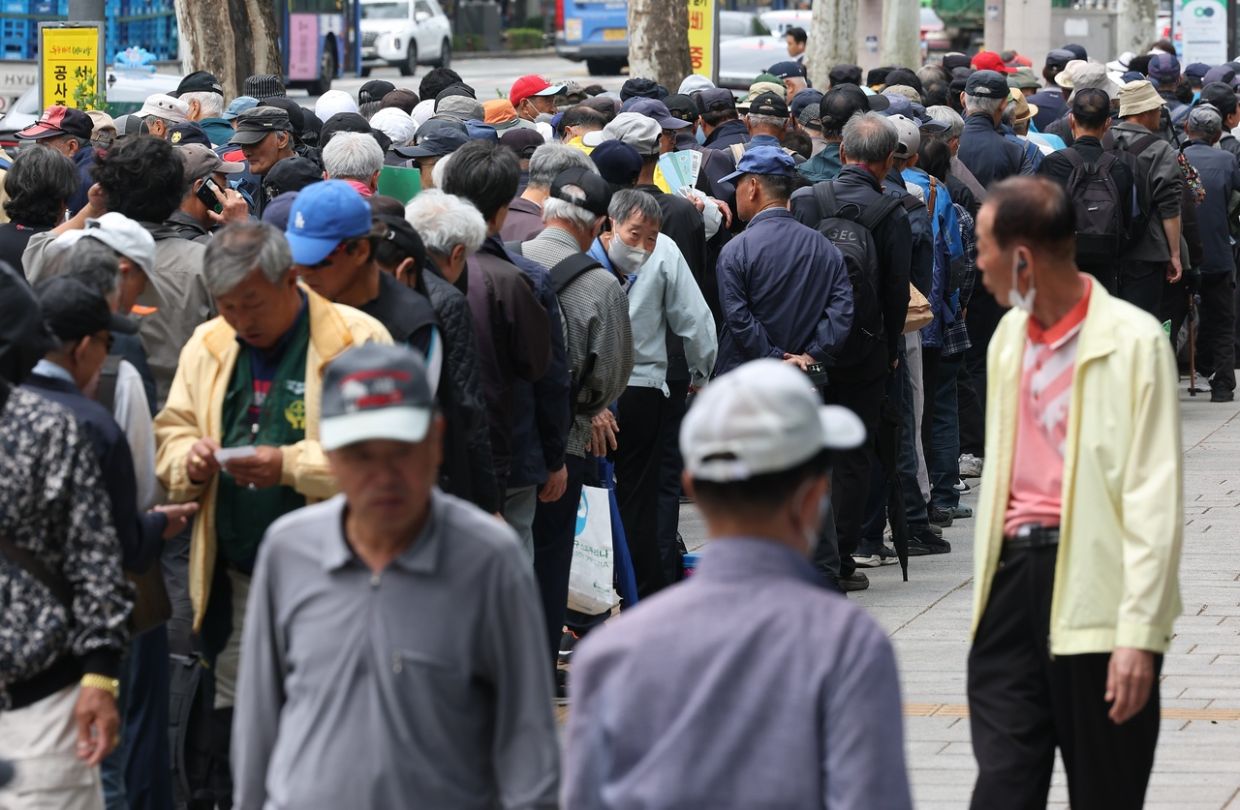
Seoul's city council is advancing a contentious proposal to extend free or reduced-cost bus travel to citizens aged 70 and above, building on a longstanding programme that already grants complimentary subway access to those 65 and older. The measure passed committee review on June 15 and awaits a full council vote on June 17, representing an attempt to address transportation inequities across the ageing metropolis. However, mounting fiscal pressures and warnings from policy analysts have made this seemingly straightforward social benefit unexpectedly divisive in a city where more than one in five residents are senior citizens.
The ordinance, sponsored by Seoul Metropolitan Council Transportation Committee Chair Lee Byeong-yoon of the People Power Party, would provide the legal authority for the city to establish a bus-fare support scheme covering municipal and neighbourhood services while excluding express and intercity routes. Seoul Mayor Oh Se-hoon championed the initiative during June's local elections, positioning it as a campaign commitment to improve elderly residents' access to affordable transportation. Yet even if approved this month, implementation would not be immediate—the city would need to resolve critical details about eligibility thresholds, subsidy levels, and financing mechanisms before any services commence.
The underlying appeal of the proposal reflects genuine disparities in how Seoul's transit system serves its older population. While seniors aged 65 and above currently ride the subway without charge, bus fares remain a recurring expense, creating a two-tier system that disadvantages those living far from metro stations or depending primarily on surface routes for daily mobility. Supporters contend that this inconsistency represents a policy gap that unfairly burdens elderly residents with limited incomes, a concern gaining traction as South Korea's demographic headwinds intensify. The proposal also fits within a broader regional pattern: Daegu launched senior bus subsidies in 2023 with plans to lower the eligibility age from 75 to 70 by 2028, Daejeon already provides free rides to those 70 and older, and Incheon intends to introduce a similar programme for residents aged 75-plus this year.
Yet the financial arithmetic presents a formidable obstacle. Seoul Metropolitan Council projections estimate that universal free bus rides for all residents aged 70 and older would require approximately 104.7 billion won (US$68 million) in the first year, assuming a 2027 launch date. More concerning is the trajectory: as Seoul's population of those aged 70 and above expands from roughly 1.27 million currently to an estimated 1.63 million by 2031, annual outlays could balloon to 127.5 billion won. Over a five-year period, total expenditure might reach nearly 579 billion won, a staggering commitment for a city already grappling with transport subsidy challenges. These figures exist atop existing support mechanisms, including the 450 billion won Seoul provided to compensate private bus operators for operating losses last year alone.
Crucially, Seoul's transit infrastructure already carries substantial financial strain linked to existing senior benefits. Seoul Metro, the public corporation operating the subway system, attributes much of its chronic deficit to free and reduced-fare travel for seniors, people with disabilities, and national merit beneficiaries. These three groups generated transportation losses averaging 364.5 billion won annually over the past five years, with 2025 alone recording a 448.8 billion won shortfall. The corporation has repeatedly petitioned the central government to assume a portion of this burden, arguing that subsidised ridership should not fall entirely on the operator's balance sheet. Adding a major new bus subsidy would compound this structural problem, potentially forcing difficult conversations about whether Seoul can sustainably maintain multiple large-scale transportation benefits simultaneously.
Looming labour cost pressures further complicate the fiscal picture. Recent court rulings addressing ordinary wages in South Korea are expected to increase compensation and benefits across the bus industry, elevating operational expenses at precisely the moment when service-subsidy demands are rising. This convergence of demographic, fiscal, and labour factors has prompted policy experts to urge caution. Sohn Jong-pil, a senior researcher at the Fiscal Reform Institute, warned that cash-type welfare programmes become politically entrenched once implemented, making retrenchment extraordinarily difficult. "Simply expanding support without strengthening the public accountability of the semi-public bus system has limitations," he cautioned, highlighting the structural weaknesses underlying Seoul's transit financing model.
Another concern gaining prominence among analysts is whether introducing free bus rides at age 70 could spark pressure to adjust age thresholds for other senior benefits, further straining municipal finances during a period of constrained growth. As South Korea's workforce shrinks and dependency ratios worsen, Seoul may face cascading claims from interest groups seeking age reductions or benefit expansions across healthcare, housing, and social-service programmes. Without a coherent fiscal strategy anchoring these decisions, policymakers risk creating an unsustainable entitlement structure that crowds out investments in other priorities.
Proponents of the measure argue that headline cost estimates significantly overstate the actual financial burden, pointing to the flexibility embedded in the proposed ordinance. The policy framework does not mandate unlimited free bus rides for all qualifying seniors; rather, it grants Seoul authority to define eligibility criteria and benefit levels with considerable discretion. This flexibility could theoretically enable the city to begin with targeted subsidies for low-income seniors, impose trip caps, restrict benefits to off-peak hours, or offer partial rather than complete fare reductions. Such graduated implementation strategies could substantially reduce initial outlays while preserving the core benefit. A Seoul city official characterised the ordinance as establishing an institutional foundation rather than mandating immediate universal free travel, suggesting policymakers envision a phased approach responsive to fiscal constraints.
These competing visions—one emphasising unmet social needs among an expanding elderly population, the other stressing fiscal realities and the precedent-setting risks of new entitlements—reflect Seoul's broader struggle to balance demographic pressures against constrained municipal resources. The debate carries implications beyond Seoul's boundaries. As regions across South Korea grapple with rapid ageing and shrinking tax bases, decisions made in the capital city establish precedents that shape political expectations nationwide. Malaysian policymakers monitoring age-friendly urban policies in advanced East Asian economies should note how Seoul's experience reveals the non-linear relationship between demographic change and fiscal sustainability: good intentions and sensible policy objectives do not automatically align with budgetary capacity.
The June 17 council vote will clarify whether Seoul's political leadership prioritises immediate benefit expansion or fiscal prudence. Even if the ordinance passes, however, the measure's true impact will depend entirely on implementation choices—decisions about eligibility, subsidy rates, and programme design that lie ahead. In this sense, the council vote represents not a final resolution but merely the beginning of a prolonged negotiation between Seoul's aging population's legitimate transportation needs and the city's constrained ability to finance open-ended social commitments. For other fast-ageing Asian cities facing similar pressures, Seoul's deliberations offer a cautionary lesson about the importance of designing sustainable financing mechanisms before announcing new benefits.

%22%2F%3E%3C%2Fpattern%3E%3C%2Fdefs%3E%3Crect%20width%3D%22100%25%22%20height%3D%22100%25%22%20fill%3D%22url(%23ph1jwbig)%22%2F%3E%3Crect%20width%3D%22100%25%22%20height%3D%22100%25%22%20fill%3D%22url(%23ph1jwbip)%22%2F%3E%3Ctext%20x%3D%2250%25%22%20y%3D%2250%25%22%20text-anchor%3D%22middle%22%20dominant-baseline%3D%22central%22%20fill%3D%22rgba(255%2C255%2C255%2C0.95)%22%20font-family%3D%22Georgia%2C%20'Times%20New%20Roman'%2C%20serif%22%20font-weight%3D%22700%22%20font-size%3D%22320%22%20letter-spacing%3D%22-0.02em%22%3EMUDA%3C%2Ftext%3E%3C%2Fsvg%3E)