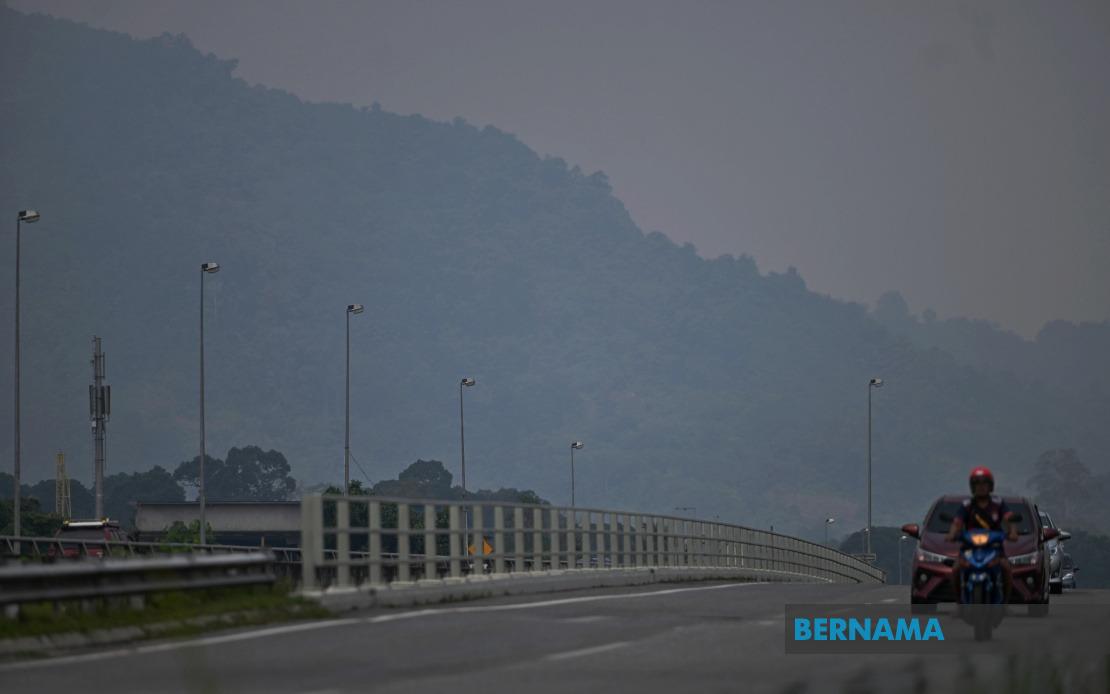
Air quality in Sarawak deteriorated sharply on August 21, with Serian recording the most severe pollution episode at an Air Pollution Index (API) reading of 227—firmly in the very unhealthy category—while nine other locations across the state experienced unhealthy air conditions. According to the Department of Environment (DOE), the spike in pollution levels was driven by transboundary smoke plumes originating from fire hotspots in neighbouring Kalimantan, which have been drifting northward and affecting western Sarawak with particular intensity.
The geographical spread of poor air quality across Sarawak was substantial. Sri Aman recorded the second-worst reading at 187, trailed by Kuching at 176, Samarahan at 175, and Sarikei at 174. Sibu's API stood at 157, while both Bintulu and Samalaju registered identical readings of 154. Kapit and Mukah, located in the central and coastal regions respectively, both measured 130. This pattern of degraded air quality reflected the movement of smoke plumes across the state's geography, indicating that the pollution event was not isolated to a single region but represented a widespread atmospheric phenomenon.
Azuri Azizah Saedon, the DOE's deputy director-general for development, attributed the deterioration to haze approaching from multiple directions, suggesting that Sarawak was caught at the intersection of several pollution pathways. The situation reflected broader environmental dynamics across Southeast Asia, where seasonal wind patterns and transboundary air pollution create recurring challenges for the region's air quality.
Indonesian fire activity remained the primary driver of the crisis. According to data from the ASEAN Specialised Meteorological Centre (ASMC) released on August 20, Kalimantan—Indonesia's largest island and a recurring source of haze affecting Malaysian territories—had registered an alarming 288 hotspots. By contrast, Sumatra recorded 53 hotspots, while Malaysia documented only two, with one each occurring in Sarawak and Terengganu. The vast disparity underscored how Malaysia's air quality challenges are predominantly influenced by activities outside its borders, a pattern that has persisted for decades and continues to frustrate regional cooperation efforts.
Weather conditions were exacerbating the pollution accumulation. The ASMC's Regional Haze Map indicated that most of the southern ASEAN region was experiencing dry weather—precisely the conditions that allow fires to spread and smoke to linger in the atmosphere. Northeastern Borneo and northern Sumatra offered temporary relief through rainfall, which helps disperse and suppress smoke. However, the broader drying trend across the region created an environment conducive to both fire initiation and smoke stagnation, meaning that existing hotspots would continue generating pollution that could travel considerable distances before being washed out by precipitation.
The movement of smoke was being tracked with precision. Moderate to dense transboundary smoke plumes had been observed in West Kalimantan and were advancing northward into western Sarawak, following prevailing wind patterns. This directional flow explained why western locations such as Kuching and Samarahan were experiencing elevated API readings, and why the pattern was expected to persist unless wind directions changed or fire suppression efforts succeeded in reducing hotspot numbers.
In response to the escalating air quality crisis, Malaysian authorities activated comprehensive coordination mechanisms. The DOE confirmed that both the National Open Burning Action Plan and the National Haze Action Plan had been triggered, bringing together multiple government agencies to address both domestic open burning sources and the broader transnational haze situation. The coordination represented a recognition that addressing haze requires simultaneous action on multiple fronts—suppressing any local fire sources while also preparing public health responses and diplomatic engagement with regional neighbours.
Enforcement and monitoring activities were intensified across vulnerable areas. The DOE escalated daily patrols in regions with elevated open burning risks, attempting to intercept potential sources of additional pollution before they could contribute to the deteriorating air quality. This proactive stance, combined with ongoing API monitoring, aimed to provide early warning systems for public health authorities and allow targeted interventions in areas approaching critical pollution thresholds.
For Malaysian residents and particularly those in Sarawak, the health implications were significant. API readings in the very unhealthy range—as registered in Serian—warrant substantial behavioural changes, including the use of N95 masks, avoidance of outdoor exertion, and increased indoor air filtration. Vulnerable populations including children, the elderly, and those with respiratory or cardiovascular conditions face heightened health risks. Schools and workplaces in severely affected areas may need to implement air quality response protocols, and public health authorities typically issue guidance on limiting outdoor activities.
The incident also highlighted persistent transnational environmental challenges that regional cooperation has struggled to fully resolve. Despite the existence of regional frameworks and bilateral agreements, Indonesia's fire management remains a chronic source of air pollution affecting multiple ASEAN members. The scale of Kalimantan hotspots—288 detected in a single monitoring report—suggests that prevention efforts have limited effectiveness, and that cross-border haze will likely remain a recurrent seasonal threat unless upstream fire suppression capacity improves substantially.
The public was advised to refrain from contributing additional pollution through open burning and to report any suspected burning incidents immediately. The Fire and Rescue Department of Malaysia's emergency number 999 and the DOE's dedicated haze hotline 1-800-88-2727 were positioned as channels for citizen reporting. This approach emphasised collective responsibility while acknowledging that the most severe air quality problems facing Sarawak originate from sources beyond individual or even national control.

