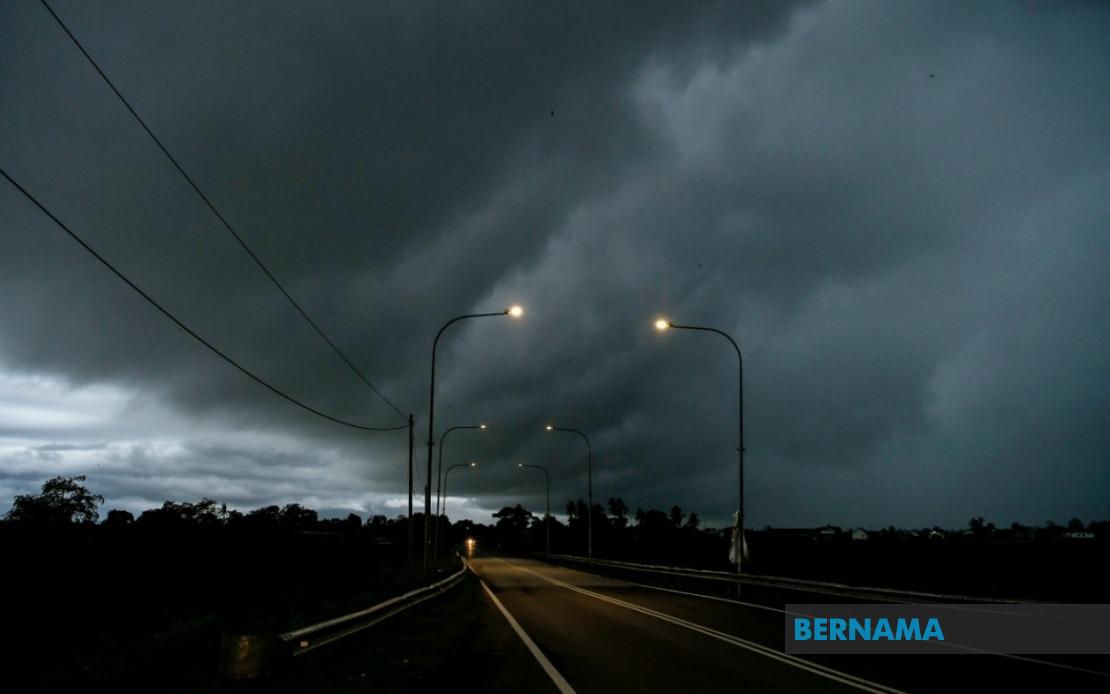
The Malaysian Meteorological Department has alerted residents in seven states to prepare for severe weather conditions this evening, with thunderstorms, heavy rainfall and potentially damaging winds expected to persist until 9 pm. The warning covers a broad swath of the nation's populated and rural districts, raising concerns about flooding, transport disruptions and safety hazards for the general public across multiple regions.
In Peninsular Malaysia, the alert encompasses several key districts in three states. Within Perak, the towns of Larut, Matang and Selama together with Kuala Kangsar and Kinta face the greatest risk. The Kelantan districts of Jeli, Kuala Krai and Gua Musang are similarly affected, as is Kemaman in neighbouring Terengganu. Additionally, Lipis and Jerantut in Pahang have been flagged, alongside three Johor municipalities: Kulai, Kota Tinggi and Johor Bahru, which includes the nation's southernmost city.
The geographical spread of the warning across Peninsular Malaysia suggests an active weather system capable of generating intense convective activity over a large area. Residents in these districts should remain vigilant regarding flash flooding in low-lying areas and potential dangers from lightning strikes and wind-related hazards. The timing of the alert, with conditions expected to clear by 9 pm, offers a defined window during which precautionary measures should be prioritised.
On the island of Borneo, the meteorological department has extended similar warnings to sections of Sarawak, covering districts across three divisions. The alert encompasses Kuching and Samarahan in the southwestern part of the state, along with Kanowit in the Sibu division and the coastal towns of Tatau and Sebauh in the Bintulu division. Lawas in the northern division of Limbang has also been included in the alert, reflecting the expansive nature of the weather system affecting the region.
The Sarawak alert is particularly significant given the state's geography and settlement patterns. Many districts in Sarawak experience seasonal flooding, and sudden heavy rainfall can overwhelm drainage systems and cause rapid river level rises. Communities in these areas are generally accustomed to managing monsoon-related weather, yet the specific intensity and timing of individual storm systems can still catch residents and authorities off guard, particularly if precipitation rates exceed typical thresholds.
In Sabah, the warning focuses on districts within two administrative regions. Sipitang in the Interior division of the state has been identified as facing the threat of thunderstorms and strong winds, while the Sandakan division on the east coast will experience similar conditions across Telupid, Kinabatangan, Beluran and Sandakan itself. This coverage across both the western interior and eastern coastal regions of Sabah indicates that the weather disturbance is affecting the state comprehensively.
The inclusion of Sabah's Sandakan division is noteworthy, as this region has significant economic and population centres. Sandakan town serves as a major commercial hub for northeastern Sabah, and disruptions to transport or business activities could have broader ripple effects on the local economy. The warning for Kinabatangan, which encompasses agricultural and riverside communities, suggests particular attention should be paid to water safety and agricultural operations during the warning period.
Thunderstorms of the intensity being forecast by MetMalaysia typically carry associated risks beyond heavy rainfall alone. Strong wind gusts can topple trees, damage structures and disrupt power supply networks. In areas with older infrastructure or informal settlements, such weather events can create temporary housing emergencies. Lightning strikes pose direct hazards to individuals outdoors, making it advisable for schools, businesses and public facilities to implement appropriate protective protocols during the warning window.
The concentration of warnings across multiple states simultaneously suggests a regional weather pattern rather than isolated local phenomena. This could indicate the presence of a monsoon trough, low-pressure system or convergence zone affecting much of Malaysia. Understanding the meteorological drivers behind such alerts helps residents and emergency management agencies better contextualise the severity and duration of expected conditions and prepare accordingly.
Emergency response agencies across the affected states are likely monitoring the situation closely, with standing protocols for weather-related incidents activated as a precautionary measure. The Malaysian Meteorological Department's role in issuing timely alerts provides critical information for public safety decision-making, allowing individuals to modify plans, secure property and avoid unnecessary exposure to dangerous weather. The specific 9 pm deadline offers clarity regarding when conditions are expected to improve, helping residents and authorities manage resource allocation efficiently.
For the affected communities, particularly those in flood-prone areas or regions with history of weather-related incidents, the next several hours will demand careful attention to official updates. Emergency hotlines and local authority channels typically remain active during such alerts, providing real-time information about localized impacts and any escalation of warnings or new hazards. Residents are generally advised to avoid venturing into affected areas, secure loose outdoor items and ensure adequate supply of essential items during the warning period.
The breadth of this alert across Peninsular Malaysia, Sarawak and Sabah underscores the dynamic nature of tropical weather systems that can affect the nation's diverse geography simultaneously. While thunderstorms and heavy rain are not uncommon in Malaysia's equatorial climate, the specific forecasting and targeted warnings issued by MetMalaysia play a crucial role in minimizing casualties and property damage. The timeliness and geographical specificity of such alerts have become increasingly important as urbanization, infrastructure expansion and climate variability create new vulnerabilities in weather-exposed communities.

